
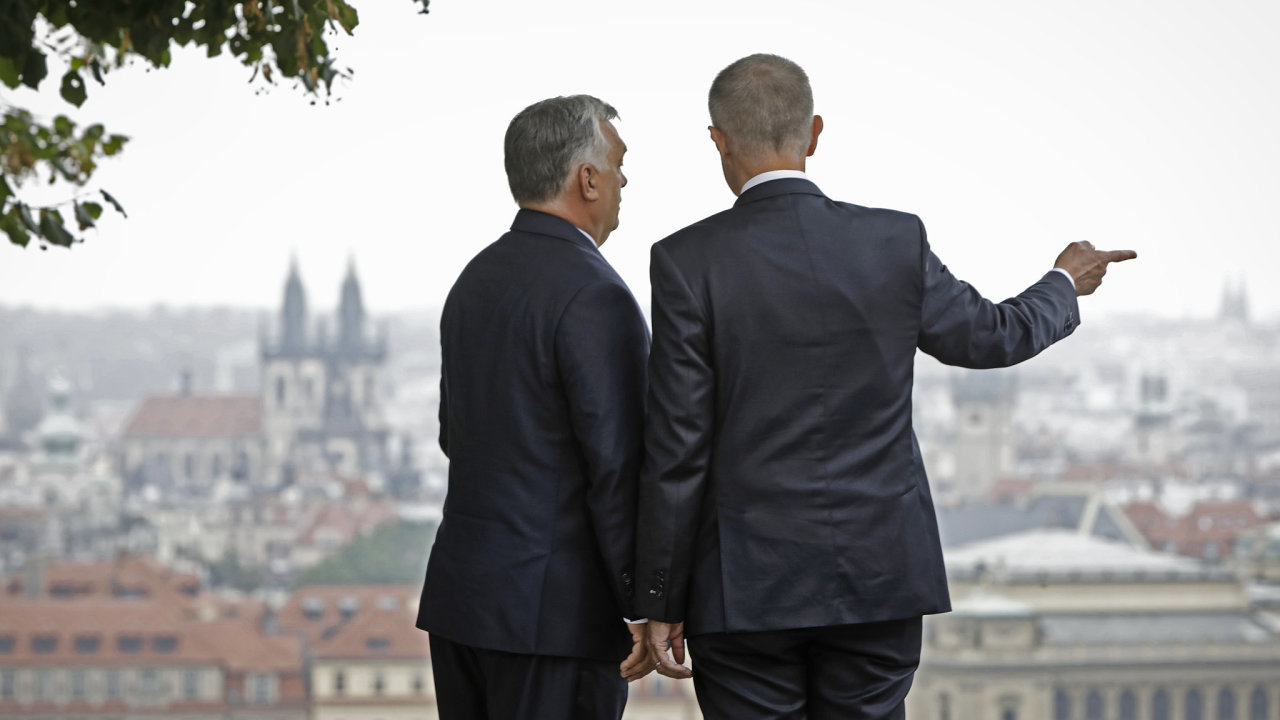
The political landscape in Europe has shifted following the defeat of Hungarian Prime Minister Viktor Orbán, a result that has sent ripples through the continent and beyond. The loss marks a significant turning point for several international allies who viewed Orbán as a key strategic partner within the European Union.
The fallout has been felt acutely by Czech Prime Minister Andrej Babiš. Having previously backed Orbán ahead of the vote, Babiš is now facing a “difficult evening in Průhonice.” The loss of a close ally is reportedly causing significant distress for the Czech leader, as the defeat removes a critical ideological partner in the region.
This development also represents a major diplomatic blow to the United States and China. Former U.S. President Donald Trump, who was thanked by Orbán for his support prior to the election, has lost his primary ally in Europe. Simultaneously, China is losing its most loyal partner within the EU, signaling a potential decline in Beijing’s influence over European policy.
Analysts suggest that the outcome of the Hungarian election means the “voice of Russia will no longer be heard” within the European Union. While some had speculated that the conflict in Ukraine might influence the results, reports indicate that Ukraine did not determine the final outcome of the vote.
The shift in leadership in Budapest underscores a broader trend of changing political alignments in Central Europe. While some observers express mixed emotions, the general consensus is that the removal of Orbán from power alters the diplomatic equilibrium between the EU and external powers like Russia and China.
