
In conflict zones, how will journalism adapt to an increasingly risky and digital world? This article explores the future of journalism in conflict zones, examining the innovative strategies and critical challenges journalists face as they navigate risks and strive to deliver vital data.From digital security to the power of citizen journalism, discover the emerging trends shaping how stories are told and truths are uncovered in the world’s moast volatile regions.
Table of Contents
- The Future of Journalism in Conflict Zones: Navigating Risks and Embracing Innovation
- The Rising Tide of Digital Threats and the Need for Enhanced Security
- The Power of Citizen Journalism and the Verification Challenge
- The Evolution of Storytelling: Immersive Experiences and Data-Driven Reporting
- The Fight for Press Freedom and the Protection of Journalists
- The Role of Artificial Intelligence (AI) in conflict Reporting
- The importance of Local Voices and diverse Perspectives
- The Future of Photojournalism in Conflict Zones: trends and Challenges
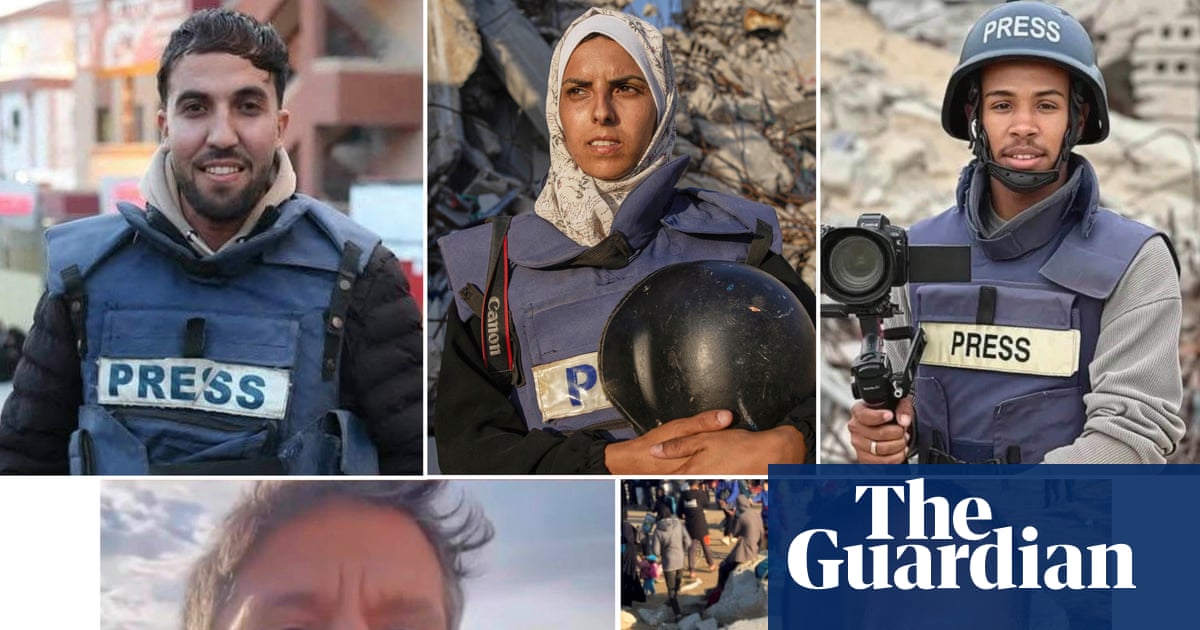
As a journalist with years of experience covering volatile regions, I’ve witnessed firsthand the evolving landscape of reporting from conflict zones. The recent events in Gaza,as highlighted by the tragic loss of journalists like Moaz Abu Taha,hussam al-Masri,Ahmed Abu Aziz,and Mohammad Salama,underscore the immense risks and challenges faced by those who bring us the truth. But amidst the danger, there’s also a surge of innovation and a renewed focus on protecting those who risk their lives to inform the world. Let’s delve into the potential future trends shaping journalism in these critical areas.
The Rising Tide of Digital Threats and the Need for Enhanced Security
The digital age has brought unprecedented opportunities for journalists, but it has also amplified the threats they face. Cyberattacks, surveillance, and disinformation campaigns are now commonplace tools used to silence and discredit reporters. In conflict zones,these threats are frequently enough intensified,making it crucial for journalists to adopt robust digital security measures.
What to Expect: We’ll see a greater emphasis on secure communication tools, such as end-to-end encrypted messaging apps and VPNs. Training in digital hygiene, including how to identify and avoid phishing attacks and malware, will become standard. news organizations will invest more in cybersecurity infrastructure to protect their reporters and sources.
Pro Tip: Secure Your Data
Always use strong, unique passwords and enable two-factor authentication on all your accounts. Regularly back up your data and consider using encrypted storage solutions. stay informed about the latest digital security threats and best practices.
The Power of Citizen Journalism and the Verification Challenge
The rise of citizen journalism, fueled by smartphones and social media, has transformed how we receive information from conflict zones.Ordinary people on the ground can now document events in real-time,providing invaluable insights that customary media might miss.However,this also presents a notable challenge: verifying the accuracy and reliability of user-generated content.
What to Expect: We’ll see more sophisticated tools and techniques for verifying user-generated content, including image and video analysis, geolocation, and cross-referencing with multiple sources. News organizations will collaborate more closely with citizen journalists, providing them with training and support to ensure their reporting meets professional standards. The role of fact-checkers will become even more critical.
did you know? The use of AI-powered tools to detect deepfakes and manipulated media is rapidly increasing. These tools are crucial for verifying the authenticity of images and videos from conflict zones.
The Evolution of Storytelling: Immersive Experiences and Data-Driven Reporting
Journalism is constantly evolving, and in conflict zones, this means embracing new ways to tell stories. Immersive technologies,such as virtual reality (VR) and augmented reality (AR),offer the potential to transport audiences to the heart of the action,allowing them to experience events in a more visceral and impactful way. Data-driven reporting, using data visualization and interactive maps, can also provide deeper context and understanding.
What to Expect: We’ll see more news organizations experimenting with VR and AR to create immersive documentaries and interactive experiences. Data journalism will become increasingly important, with reporters using data to analyze trends, uncover patterns, and provide evidence-based reporting. The focus will be on creating engaging and informative content that resonates with audiences.
The Fight for Press Freedom and the Protection of Journalists
The safety and security of journalists in conflict zones are paramount.The international community must continue to advocate for press freedom and hold those who target journalists accountable. This includes providing journalists with the necessary training, equipment, and support to do their jobs safely.
What to Expect: We’ll see increased efforts to strengthen international laws and conventions that protect journalists. News organizations will collaborate more closely to share resources and provide mutual support. There will be a greater focus on mental health support for journalists who have experienced trauma.
The Role of Artificial Intelligence (AI) in conflict Reporting
AI is poised to play a significant role in the future of conflict reporting. From automating tasks like transcription and translation to assisting in fact-checking and content verification, AI can help journalists work more efficiently and safely. However,it’s crucial to address the ethical considerations and potential biases associated with AI-driven tools.
What to Expect: AI will be used to analyze large datasets, identify patterns, and generate insights that would be unfeasible for humans to process manually. AI-powered tools will assist in identifying and verifying misinformation, helping journalists to combat the spread of fake news. Training in AI literacy will become essential for journalists.
The importance of Local Voices and diverse Perspectives
It’s crucial to ensure that the voices of those affected by conflict are heard. This means prioritizing local journalists and providing them with the resources and support they need to tell their stories. It also means seeking out diverse perspectives and challenging dominant narratives.
What to Expect: We’ll see a greater emphasis on hiring and supporting local journalists. News organizations will actively seek out diverse voices and perspectives, ensuring that their coverage reflects the complexity of the conflict. There will be a renewed focus on building trust with local communities.
Frequently Asked Questions
Q: What are the biggest risks facing journalists in conflict zones?
A: Physical attacks, cyberattacks, surveillance, and disinformation campaigns.
Q: How can citizen journalism be verified?
A: Thru image/video analysis, geolocation, and cross-referencing with multiple sources.
Q: What role will AI play in the future of conflict reporting?
A: Automating tasks, assisting in fact-checking, and analyzing large datasets.
The future of journalism in conflict zones is undoubtedly challenging, but it’s also filled with opportunities. By embracing innovation, prioritizing safety, and amplifying local voices, we can ensure that the truth continues to be told, even in the moast dangerous places. The sacrifices of journalists like Moaz Abu Taha, Hussam al-Masri, Ahmed Abu aziz, and Mohammad Salama remind us of the importance of their work and the need to support them in their vital mission.
What are your thoughts? Share your comments and insights below. Let’s discuss the future of journalism and how we can better support those who bring us the news from the front lines.
The Future of Photojournalism in Conflict Zones: trends and Challenges
The world of photojournalism, particularly in conflict zones, is constantly evolving. The tragic stories of Mohammad Salama and Mariam Dagga,two photojournalists who lost their lives while documenting the human cost of war,highlight the immense risks and the unwavering dedication of those who bring these stories to the world. Let’s explore the future trends shaping this critical field.
The Rise of Embedded Technology and Remote Reporting
One significant trend is the increasing integration of technology. Drones, body-worn cameras, and advanced communication tools are becoming standard equipment. This allows photojournalists to capture images from previously inaccessible locations and transmit them in real-time.However, this also raises ethical questions about privacy and the potential for misuse of such technology.
Pro Tip: Photojournalists should always be aware of local laws and regulations regarding the use of drones and other recording devices. Transparency and respect for the subjects are paramount.
Social media has revolutionized how news is consumed and disseminated. Citizen journalists, frequently enough using smartphones, are playing an increasingly critically important role in documenting events. This democratization of information can be a powerful force,but it also presents challenges. Verifying the authenticity of images and videos becomes crucial in an era of deepfakes and misinformation. The role of professional photojournalists is more important than ever, providing context, verification, and in-depth reporting.
Did you know? The Reuters Institute for the Study of Journalism found that social media is now the primary source of news for a significant portion of the global population.
Mental health and Trauma in Photojournalism
The emotional toll on photojournalists covering conflict is immense. Witnessing violence, suffering, and loss can lead to post-traumatic stress disorder (PTSD) and other mental health challenges. There is a growing awareness of the need for mental health support for these professionals. Organizations are providing resources, training, and access to therapy to help photojournalists cope with the psychological impact of their work.
Case study: The Dart Center for Journalism & Trauma offers resources and training programs for journalists worldwide, focusing on trauma awareness and self-care.
The Importance of Diverse Voices and Local Perspectives
The stories of conflict are often best told by those who live them. there is a growing emphasis on amplifying the voices of local photojournalists and ensuring diverse portrayal in news coverage. this not only provides a more nuanced understanding of the situation but also helps to build trust and credibility with audiences. The work of Mariam Dagga exemplifies the power of local perspectives in documenting the human experience of conflict.
ethical Considerations and the Future of photojournalism
As technology advances and the media landscape shifts, ethical considerations become even more critical. Photojournalists must navigate complex issues such as privacy, consent, and the potential for exploitation. The future of photojournalism depends on upholding the highest ethical standards and prioritizing the well-being of both the subjects and the journalists themselves.
Frequently Asked Questions
Q: How can I support photojournalists working in conflict zones?
A: You can support them by donating to organizations that provide them with resources, equipment, and mental health support. You can also share their work and advocate for their safety.
Q: What are the biggest challenges facing photojournalists today?
A: The biggest challenges include physical danger, mental health issues, censorship, and the spread of misinformation.
Q: How can I verify the authenticity of a photo or video from a conflict zone?
A: Look for credible sources, check for inconsistencies, and use reverse image search tools. Be wary of content that seems sensationalized or lacks context.
The stories of Mohammad Salama and Mariam Dagga remind us of the courage and dedication required to document the truth in the face of adversity. As we move forward,it is crucial to support and protect those who bring these vital stories to the world.
What are your thoughts on the future of photojournalism? Share your comments and insights below!
