
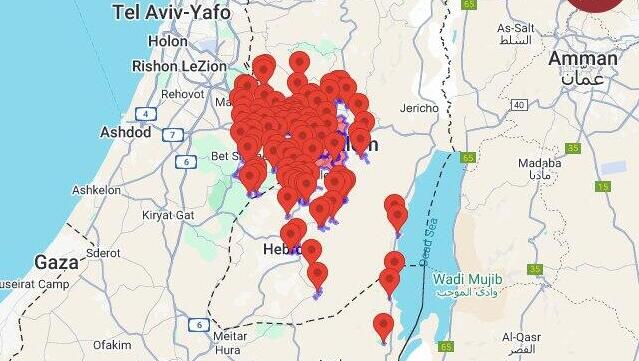
Amidst escalating tensions in the Middle East, the Israel-Yemen conflict is rapidly becoming a focal point of global concern. This article provides a thorough analysis of the current situation, exploring the dynamics fueling the conflict and examining potential future trends that could reshape the region. Delve into the complexities of the Israel-Yemen conflict and its impact on international relations, offering valuable insights for those seeking to understand this critical geopolitical issue.
Escalation in the Middle East: analyzing the Israel-Yemen Conflict and Future Trends
Table of Contents
Recent events highlight a concerning trend: the escalating conflict between israel and Yemen, specifically involving missile launches and retaliatory strikes. This situation demands a closer look at the underlying dynamics and potential future developments. Understanding these complexities is crucial for anyone following geopolitical trends.
The Current State of Affairs: Missile Strikes and Retaliation
The core of the issue revolves around missile attacks originating from Yemen and targeting Israel. These attacks have prompted responses from Israel, leading to a cycle of escalation. Recent reports indicate that Israel has struck targets in Yemen after missile launches [[1]] [[2]]. These strikes have targeted military compounds and other strategic locations.
The houthis, a group based in Yemen, have claimed obligation for launching missiles towards Israel. This has led to a tense situation, with both sides exchanging attacks. The use of new types of missiles, as reported by CNN [[1]], suggests a potential increase in the sophistication and threat level of these attacks.
Potential Future Trends: What to Watch For
Several trends are likely to shape the future of this conflict:
- Increased Missile Technology: We can expect to see advancements in missile technology, perhaps leading to more accurate and harder-to-intercept projectiles. This could increase the risk of civilian casualties and infrastructure damage.
- Regional Involvement: The conflict could draw in other regional actors, either directly or indirectly. This could further complicate the situation and expand the scope of the conflict.
- Cyber Warfare: Alongside physical attacks, cyber warfare could become a critically important aspect of the conflict. This could involve attacks on critical infrastructure, interaction networks, and government systems.
- Economic Impact: The ongoing conflict will likely have a negative impact on the economies of both Israel and Yemen, as well as the broader region. This could lead to increased instability and social unrest.
Pro Tip: Stay informed by following reputable news sources and analyzing expert opinions to understand the evolving dynamics of this conflict.
The Role of international Relations
International relations play a crucial role in this conflict. The involvement of various countries and organizations can either de-escalate or exacerbate the situation. Diplomatic efforts, sanctions, and military aid are all factors that can influence the trajectory of the conflict.
Did you know? The conflict has already disrupted air traffic, as seen with flights being rerouted or delayed due to the missile launches.
frequently Asked Questions
- Who is involved in the conflict? The primary actors are Israel and the Houthis in Yemen.
- What are the main issues at stake? The conflict involves territorial disputes, political tensions, and regional power struggles.
- What are the potential consequences? The conflict could lead to increased instability, economic hardship, and loss of life.
The situation between Israel and Yemen is complex and evolving. Staying informed and understanding the potential future trends is essential. What are your thoughts on the future of this conflict? Share your comments below!
