

Pentagon Raises Estimated Cost of Conflict with Iran to $29 Billion
The United States Department of Defense has increased the estimated cost of its 10-week military engagement with Iran to $29 billion, officials revealed during a House Appropriations hearing on May 12, 2026. This updated figure marks a significant rise from the $25 billion price tag provided by the Pentagon late last month.
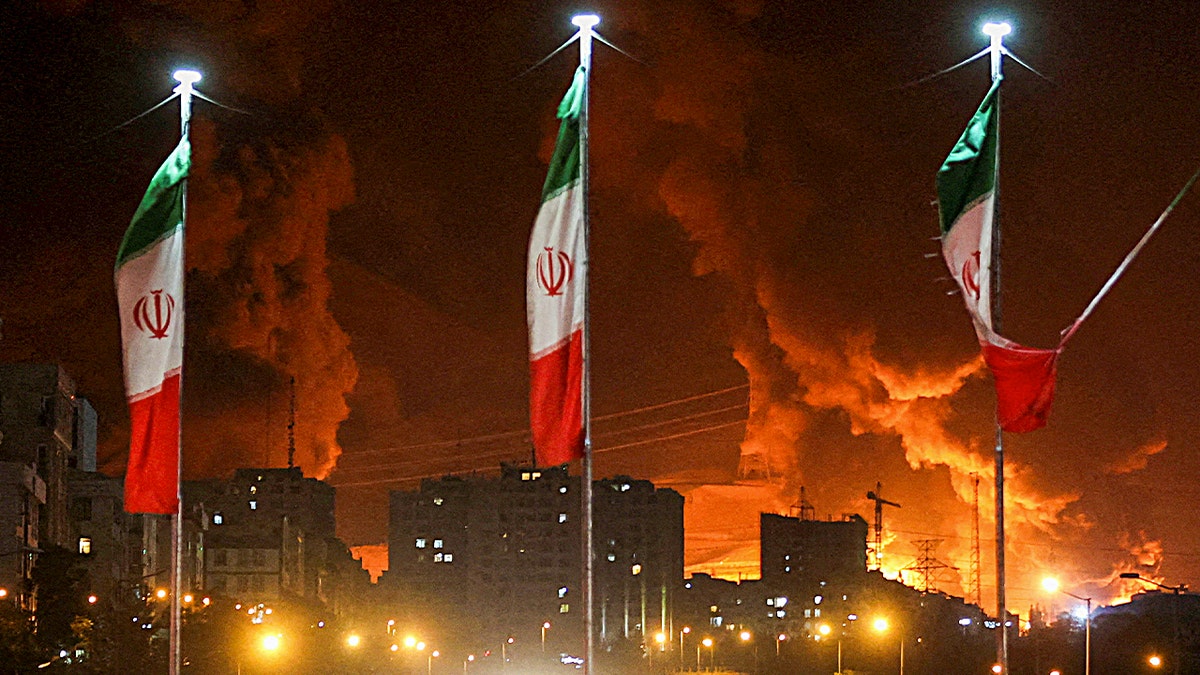
The financial update comes as the U.S. Government navigates a precarious diplomatic landscape. While the Pentagon is seeking $1.5 trillion in the next federal budget, officials indicated they may request several hundred billion dollars in additional funding to sustain the war effort, though a specific final request has not yet been disclosed.
The escalation in spending coincides with a deepening diplomatic impasse. President Donald Trump on May 11, 2026, rejected a recent proposal from Iran to reopen the Strait of Hormuz, dismissing the offer as a “piece of garbage.” The President further noted that the current ceasefire between the two nations is on “massive life support.”
In response to the President’s comments, Iran’s Speaker of Parliament, Mohammad B. Ghalibaf, stated on May 11, 2026, that there is “no alternative” but for the U.S. To accept Iran’s 14-point proposal. Ghalibaf warned that any other strategy would be “completely inconclusive; nothing but one failure after another,” adding that “the longer they drag their feet, the more American taxpayers will pay for it.”
The diplomatic deadlock and rising military expenditures are beginning to resonate domestically. New polling suggests that a majority of Americans are becoming increasingly impatient with the financial burden the conflict is placing on their daily lives, with many expressing doubt that the fight is necessary. This frustration is compounded by economic pressure at the pump, as U.S. Gas prices have returned to levels not seen since the 2022 Russian invasion of Ukraine.
The rising costs and diplomatic stalemate underscore the deepening instability in the region, which continues to impact global energy markets and international security.
Meanwhile, regional instability was punctuated by a natural disaster on May 12, 2026, when a magnitude 4.5 earthquake struck portions of north-central Iran near Tehran at 11:46 p.m.
