
While most experience multiple seasonal colds and viruses annually, a select group appears remarkably resistant to infection. This intriguing phenomenon-and the science behind why some people stay healthy while others fall ill-is the focus of growing research in immunology and public health, as explored in a new report from La Opinion.
Some people seem to consistently avoid catching common colds and viruses – but what makes them so resistant to illness?
Table of Contents
- Some people seem to consistently avoid catching common colds and viruses – but what makes them so resistant to illness?
- Immune System Function
- Genetics: The Hand We’re Dealt
- Lifestyle Factors
- The Microbiome: An Invisible Ally
- Stress and the Mind: Powerful Connections
- Controlled Exposure: Training the System
- Environmental Factors: The Surroundings Matter
- Age and Immunity
- Do They Really Never Get Sick?
Los Angeles, December 27 (LaOpinion).- In every workplace, family, and social circle, there’s that one person who seems to be remarkably resistant to seasonal colds, navigating outbreaks of the flu without so much as a sniffle, and maintaining enviable health while others fall sick one after another. While most people experience between two and four colds each year, this select group appears shielded from the most common infections. Understanding why some individuals remain healthy while others succumb to illness is a key area of ongoing research in immunology and public health.
The phenomenon has intrigued scientists and doctors for decades, who are working to unravel the secrets behind this apparent invulnerability.
The first key to understanding those who rarely get sick lies in their immune system. Not all defense systems are created equal.
Immune System Function
Some individuals possess what immunologists call a “robust innate immune response,” an extraordinarily efficient first line of defense that neutralizes pathogens before they can establish an infection. This rapid response is crucial in preventing illness from taking hold.
Dr. Philip Goulder, a professor of immunology at the University of Oxford, explains that these individuals have particularly active natural killer (NK) cells and macrophages, capable of detecting and eliminating threats with superior speed and efficiency. “It’s like having exceptionally alert security guards at the entrances to your body,” he notes.
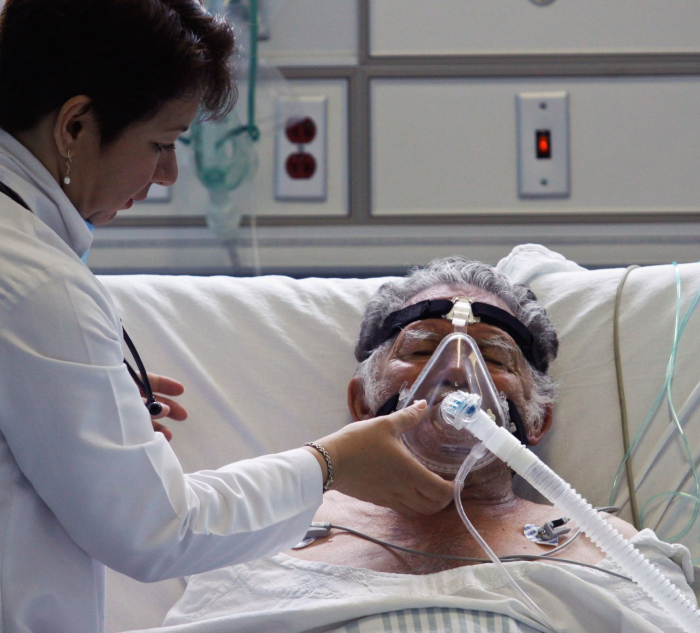
In addition, the diversity of T cell repertoires plays a fundamental role. Those with a greater variety of these cells can recognize and respond to a wider spectrum of pathogens, giving them a significant advantage in the battle against infection. This broader recognition capability allows for a more targeted and effective immune response.
Genetics: The Hand We’re Dealt
According to various scientific studies, genes contribute approximately 20 to 40 percent to the capacity of the immune system. Certain genetic variations are associated with stronger immune responses. For example, variations in HLA (human leukocyte antigen) genes, which help the immune system distinguish between the body’s own proteins and foreign substances, can make the difference between frequently getting sick or rarely doing so.
Recent research has identified specific mutations that appear to confer resistance to certain diseases. The most famous example is the CCR5-Delta 32 mutation, which offers resistance to HIV. Studies of people who never contracted COVID-19 despite high exposure have revealed genetic variations in genes related to the interferon response, a key molecule in antiviral defense.
However, genetics isn’t destiny. As Dr. Janet Lord, director of the Institute of Inflammation and Ageing at the University of Birmingham, states: “Your genes load the gun, but your lifestyle pulls the trigger.” This highlights the importance of modifiable factors in immune health.
Lifestyle Factors
Daily habits exert a considerable influence on the body’s ability to resist disease. Quality sleep emerges as one of the most critical factors. During deep sleep, the body produces cytokines, proteins that fight infection and inflammation. People who sleep less than six hours a night are up to four times more likely to catch a cold than those who sleep seven hours or more.
Nutrition is another fundamental pillar. A diet rich in fruits, vegetables, lean proteins, and healthy fats provides the essential nutrients the immune system needs to function optimally. Deficiencies in vitamins D, C, zinc, and selenium have been linked to increased susceptibility to infections.
Regular moderate exercise also strengthens the body’s defenses by promoting the circulation of immune cells and reducing chronic inflammation. Interestingly, extreme exercise can have the opposite effect, temporarily weakening the immune system.
The Microbiome: An Invisible Ally
In recent years, science has discovered that the gut microbiome—that ecosystem of trillions of microorganisms inhabiting our digestive tract—plays a crucial role in immune health. People with diverse and balanced microbiomes tend to have more robust immune systems. This growing understanding of the microbiome is reshaping our approach to preventative health.
These microorganisms not only help digest food but also train the immune system, teaching it to distinguish between real threats and false alarms. A healthy microbiome can prevent both infections and autoimmune diseases caused by overactive immune systems.
Early exposure to diverse microbes, especially during childhood, appears to program the immune system for life. The “hygiene hypothesis” suggests that excessively sterilized environments may deprive the immune system of the necessary training, paradoxically resulting in increased susceptibility to disease.

Stress and the Mind: Powerful Connections
The connection between the mind and the immune system is deeper than many realize. Chronic stress elevates cortisol levels, a hormone that, in excess, suppresses immune function. People who manage stress effectively, through meditation, exercise, or strong social connections, maintain more competent immune systems.
Studies on longevity in populations like Okinawa, Japan, or the Blue Zones around the world reveal that a sense of purpose, strong community relationships, and a positive attitude toward life correlate with better overall health and a lower frequency of disease.
Loneliness and social isolation, conversely, have immunological effects comparable to smoking or obesity, increasing vulnerability to infections and chronic diseases.
Controlled Exposure: Training the System
Paradoxically, some level of exposure to pathogens can be beneficial. Each time the immune system encounters and defeats an invader, it develops immunological memory, becoming more efficient. People who work in environments with greater controlled microbial exposure, such as teachers or healthcare workers, often develop more robust immunity over time.
This is the basis of vaccination: training the immune system without the risks of the full disease. People who keep their vaccination schedules up to date significantly reduce their risk of serious illness.
Environmental Factors: The Surroundings Matter
Air quality, access to clean water, ambient temperature, and humidity influence the ability of pathogens to spread and the effectiveness of our defenses. People who live in environments with good ventilation and moderate humidity are less likely to contract respiratory infections.
Exposure to nature also appears to benefit the immune system. Japanese studies on “shinrin-yoku” or forest bathing demonstrate that spending time in natural spaces increases the activity of NK cells and reduces markers of inflammation.
Age and Immunity
While it’s true that the immune system tends to weaken with age, a phenomenon known as immunosenescence, this isn’t inevitable or uniform. Some older people maintain remarkably robust immune systems, often due to a combination of good genetics, a healthy lifestyle, and a positive mental attitude.
Centenarians studied by longevity researchers frequently show immunological profiles that defy their chronological age, with low levels of inflammation and preserved adaptive immune responses.
Do They Really Never Get Sick?
It’s important to clarify that even people who appear immune to disease likely do get infected occasionally, but their immune systems are so efficient that they neutralize infections before they produce noticeable symptoms. They experience what doctors call “subclinical infections”: their bodies fight off pathogens silently, without them even realizing it.
Additionally, the perception of “never getting sick” may be partially selective. These individuals might have a higher tolerance for mild symptoms or recover so quickly that they barely register the episode as an illness.
Ultimately, the mystery of those who never get sick doesn’t lie in a single miraculous factor, but in the fortunate convergence of favorable genetics, sustained healthy habits, conducive environments, and perhaps, a bit of luck. Understanding these factors not only satisfies our curiosity but also offers a roadmap for strengthening our own natural defenses.
