

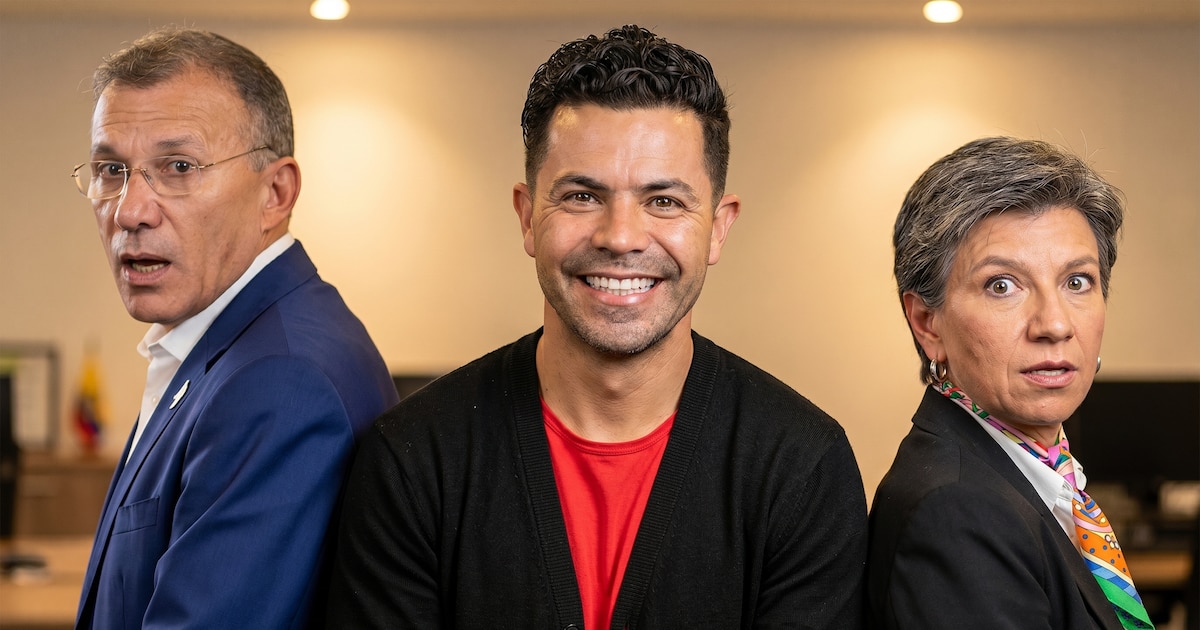
Piter Albeiro, Colombia’s sharpest political comedian, has turned his 1.2 million followers into a campaign force for Abelardo de la Espriella, flooding X with calls for 15 million votes to secure a second-round victory—while mocking rivals like Claudia López and Roy Barreras for their dismal first-round showings. With the June 21 runoff looming, his social media blitz has reshaped the debate over who will lead Colombia next.
Abelardo de la Espriella’s path to the presidency now hinges on a simple arithmetic: 15 million votes. That’s the number Piter Albeiro—Colombia’s most followed comedian and a former star of Sábados Felices—has been hammering into his audience since the May 31 first-round results left De la Espriella and Iván Cepeda in a tight runoff. His message is direct, repeated daily: “Necesitamos 15 millones de votos por Abelardo,” he posted on June 3, pairing the plea with a prayer emoji and a Colombian flag. The numbers aren’t just symbolic. De la Espriella won 24.1% of the vote in the first round—just 300,000 votes ahead of Cepeda—but to win outright in June 21’s runoff, he’ll need to mobilize a coalition capable of surpassing the 50% threshold, a feat that requires 15 million votes in a country of 52 million registered voters.
Why Piter Albeiro’s Campaign Matters
Albeiro’s intervention isn’t just about numbers—it’s about narrative control. While traditional politicians scramble for endorsements, Albeiro has weaponized his platform to frame the runoff as a binary choice: order vs. chaos. His posts mix personal nostalgia (“En días como hoy extraño a mi papá,” he wrote, recalling childhood election nights with his father listening to RCN’s results) with blunt political math. “Todos los días hay que hacer el ejercicio de invitar a nuestros amigos a votar para que regrese el orden y la seguridad,” he urged followers, tying De la Espriella’s platform directly to public safety—a top voter concern in a country where homicides rose 20% in 2025. The strategy works: Albeiro’s posts about De la Espriella have been shared over 500,000 times since May 31, dwarfing official campaign outreach.
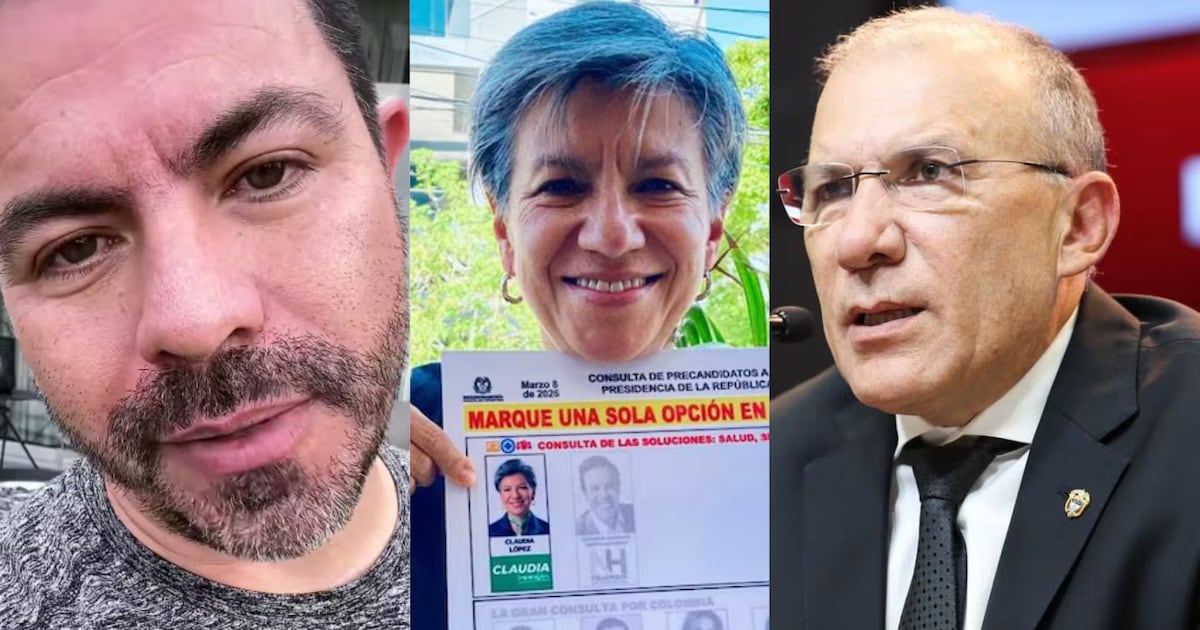
But Albeiro’s influence extends beyond vote-counting. His public mockery of rivals has forced them into a defensive crouch. When Claudia López—Bogotá’s former leftist mayor and a polarizing figure—garnered just 250 votes in the first round (a number Albeiro dismissed as “250 votos” in a post), she became the butt of his jokes: “Claudia López empieza a hacerle campaña a Cepeda en este momento, finjan sorpresa,” he wrote, accusing her of pivoting to the center after her poor showing. The jab struck a nerve: López, who had spent months positioning herself as a progressive alternative, now faces accusations of flip-flopping—all while her campaign struggles to regain momentum.
The Numbers Behind the Noise
De la Espriella’s first-round victory wasn’t just a personal triumph—it was a repudiation of Colombia’s political establishment. His 24.1% share outpaced both Gustavo Petro’s handpicked successor (Paloma Valencia, at 18.3%) and the center-left coalition’s candidate (Iván Cepeda, at 23.8%). The margin—just 300,000 votes—exposes how thin the runoff will be.
- Mobilize 15 million voters: A Herculean task in a country where voter turnout often hovers around 50%. Albeiro’s calls to “invite friends to vote” are a direct attempt to bridge that gap.
- Peel off Cepeda’s base: Cepeda’s supporters skew urban and progressive—groups that have historically backed López. Albeiro’s attacks on López may unintentionally alienate Cepeda’s left-wing voters, forcing De la Espriella to pivot.
- Suppress abstention: With no incumbent running, the runoff could see record low participation. Albeiro’s “order vs. chaos” framing is designed to turn voter apathy into urgency.
Yet the math isn’t the only challenge. De la Espriella’s coalition is fractured. His running mate, José Manuel Restrepo—a respected economist—has been sidelined in favor of Albeiro’s viral push. “Es clave entender que el vice también sería nuestro presidente,” Albeiro wrote, acknowledging the vice-presidential role’s importance—but Restrepo’s low profile risks overshadowing his policy expertise, which could matter if De la Espriella wins.
The Backlash: When Comedy Crosses the Line
Albeiro’s tactics haven’t gone unchallenged. Critics accuse him of exploiting his platform for partisan gain, pointing to his relentless focus on De la Espriella while ignoring other candidates entirely. Roy Barreras—a former senator and rival—became Albeiro’s punching bag after securing just 0.3% of the vote. “Roy Barreras no aparece ya ni en Google,” Albeiro tweeted, dismissing him as a political non-entity. The jab resonated: Barreras’s campaign had spent millions on ads, only to collapse in the final stretch.

But the strategy carries risks. Albeiro’s humor—once a unifying force in Colombian pop culture—now risks polarizing an already divided electorate. His post about López (“finjan sorpresa,” or “pretend you’re surprised”) sparked backlash from López’s supporters, who accused him of undermining democratic discourse. Even some of Albeiro’s fans questioned whether a comedian should wield such influence: “Me da mucho miedo la segunda vuelta es la verdad,” one replied, admitting the runoff’s outcome feels uncertain.
What’s Next: June 21 and Beyond
The next 18 days will test whether Albeiro’s gamble pays off. De la Espriella’s campaign has already shifted into high gear, with Albeiro’s posts serving as de facto ads. But the comedian’s role is ambiguous: Is he a neutral cheerleader or an embedded strategist? His daily calls to “invite friends to vote” blur the line between entertainment and activism, raising questions about whether his influence could sway undecided voters—or alienate them.
If De la Espriella wins, Albeiro’s role in the victory will be impossible to ignore. The comedian’s ability to mobilize voters without traditional campaign infrastructure suggests a new model for political engagement in Latin America—one where celebrities, not parties, dictate the agenda. But if Cepeda prevails, Albeiro’s strategy may be seen as a cautionary tale about the dangers of treating elections like a reality show.
One thing is certain: Colombia’s political landscape has already changed. The runoff isn’t just about policy—it’s about who controls the narrative, and right now, Piter Albeiro holds the megaphone.
