
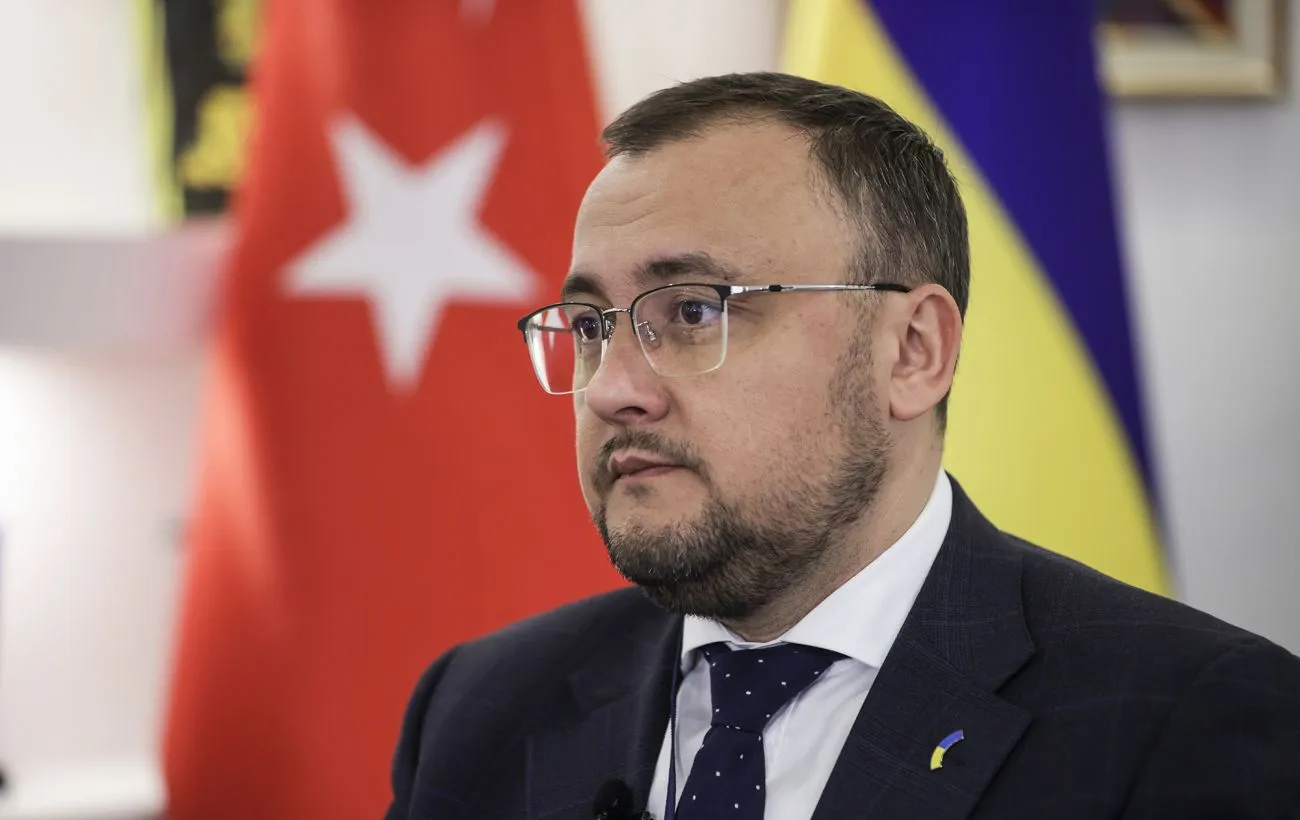
Poland’s public sentiment toward Ukrainian citizens has shifted since 2025, according to Vasyl Bodnar, Ukraine’s ambassador to Poland, as reported by multiple outlets. While Polish society remains largely supportive of Ukraine’s resistance to Russia, attitudes toward Ukrainian migrants have grown more strained, driven by historical tensions, border disputes, and economic concerns.
Distinction Between National Support and Citizen Treatment
The ambassador emphasized that Polish public opinion on Ukraine as a nation fighting Russia remains stable, with “most Poles, including political elites, support Ukraine in its war against Russia and understand the threat posed by Moscow,” according to reports. However, this solidarity does not extend to Ukrainian migrants in Poland, where “attitudes have worsened” since 2025, he said. “At the beginning of the war, Ukrainians were welcomed and helped. But in 2025–2026, the attitude changed. Moods are increasingly, one could say, deteriorating,” he noted.
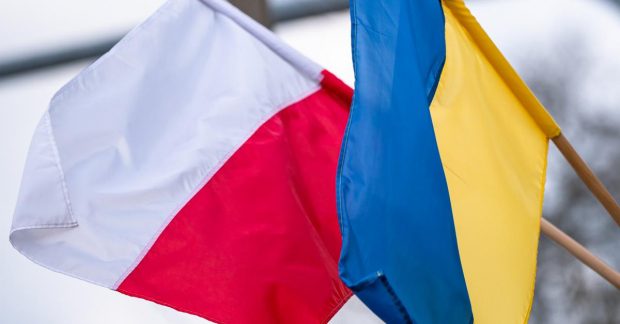
This distinction highlights a growing rift between national solidarity and local perceptions. While the Polish government maintains “a principled support for Ukraine,” the ambassador acknowledged that “the dialogue between Ukraine and Poland continues to reduce tensions,” but “public sentiment remains negative.” The shift, he suggested, reflects broader European trends where anti-migrant rhetoric is weaponized by political forces.
Factors Behind the Changing Attitudes
Bodnar attributed the shift to several interrelated issues. Historical sensitivities, particularly around the Volyn tragedy, remain a flashpoint. “Historical memory and sensitive historical issues, exhumations, border and economic disputes, and rising anti-migration sentiments in the EU” have contributed to the tension, he said. These factors, he added, are amplified by “ultra-right groups” in Poland, such as those led by Jarosław Kaczyński, which “use migration issues for internal politics.”
The ambassador also pointed to economic grievances, noting that “Poles are focused on their own interests,” which has led to friction over labor markets and social services. This dynamic mirrors similar shifts across Europe, where migration has become a polarizing issue, he observed.
Joint Exhumation Efforts and Repatriation Plans
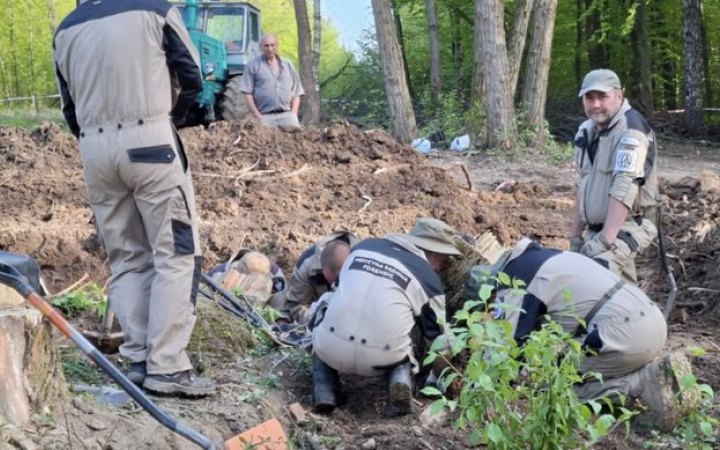
Despite the tensions, Ukraine and Poland continue collaborative efforts to address historical wounds. The two countries are advancing joint search-and-exhumation operations, with Poland seeking “a significant number of exhumations in Ukraine,” while Ukraine plans similar work in Poland later this year. “The exhumation of victims of the Volyn tragedy in the village of Puzniki on the Ternopil region” is one such example, according to reports.
Ukraine is also working to repatriate the remains of prominent figures buried in Poland. “We are compiling lists, and we have various proposals,” Bodnar said. This includes repatriating leaders like Symon Petliura, who had a residence in Tarnów and whose government operated in exile. “There are many graves in Poland, from the Wolski Cemetery in Warsaw to Kalisz, Pikulice, and Lanckorona, where our heroes are buried,” he noted. Poland has “generally positively” received this initiative, he added.
Implications for Bilateral Relations
The evolving dynamics underscore the complexity of Ukraine-Poland relations. While strategic partnerships remain intact, the ambassador warned that “anti-migrant sentiments in Europe are being used by political forces,” which risks undermining cooperation. “These trends affect Ukrainians,” he said, stressing the need for ongoing dialogue to address grievances.
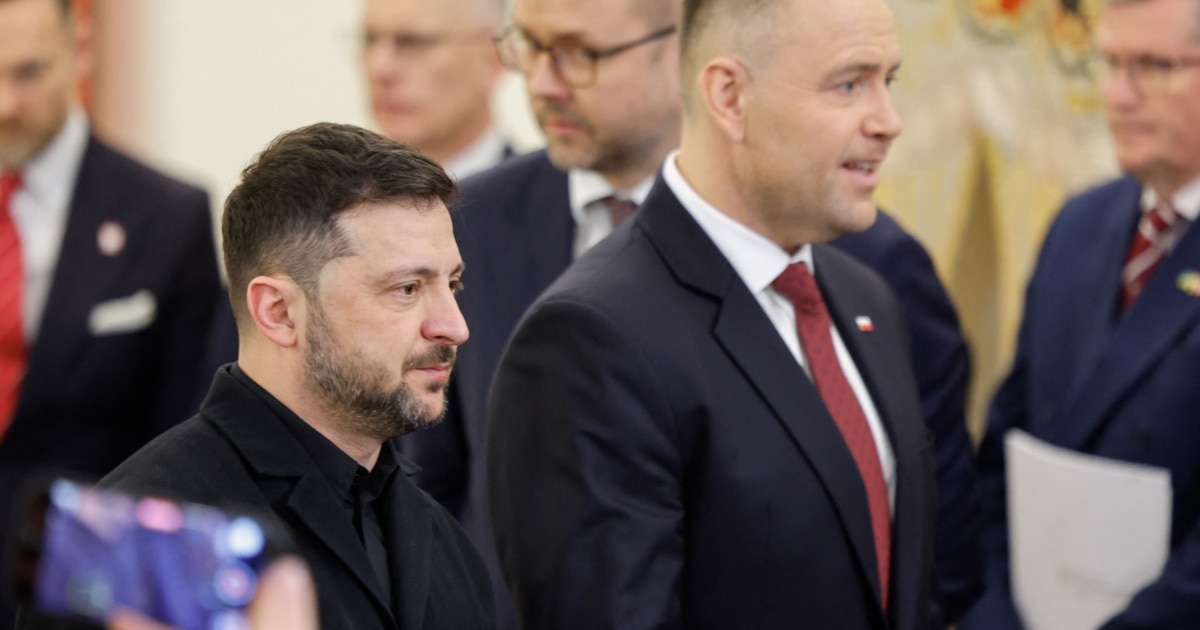
Looking ahead, the ambassador highlighted the importance of “local governance, healthcare, rehabilitation, civil defense, and shelters” as areas for continued collaboration. However, without addressing the root causes of public discontent, the strain on bilateral ties could persist. “The situation in Poland reflects broader European challenges,” he concluded, “but the commitment to Ukraine’s security remains firm.”
For more on the ambassador’s remarks, see news.google.com and Radio Svoboda.
For details on exhumation efforts, refer to LB.ua and Glavcom.
For context on Poland’s political landscape, see UNIAN.
