

U.S. Gasoline Prices Surge 50% Amid Iran Conflict, Fueling Economic Strain
Gasoline prices in the United States have climbed a staggering 50% since the onset of the conflict with Iran, according to recent data from AAA. The average price per gallon of regular unleaded gasoline now stands at $4.54, marking the highest level since July 2022 and adding significant financial pressure on American drivers and businesses alike.
The price hike underscores the broader economic ripple effects of the Middle East crisis, with the U.S. Leading a surge in fuel prices across the G7 nations. The spike is directly tied to disruptions in global oil supply chains, as the conflict has intensified shipping risks and reduced output from key producers in the region.
U.S. Fuel Exports Hit Record High as Global Markets Scramble for Alternatives
In response to the supply crunch, the U.S. Has ramped up fuel exports to record levels, becoming a critical supplier to Asia, Europe, and Africa. March saw U.S. Refined product exports reach unprecedented heights, as buyers sought to replace Middle East supplies disrupted by the conflict. The surge in exports has positioned the U.S. Closer than ever to becoming a net crude exporter, a shift not seen since World War Two.
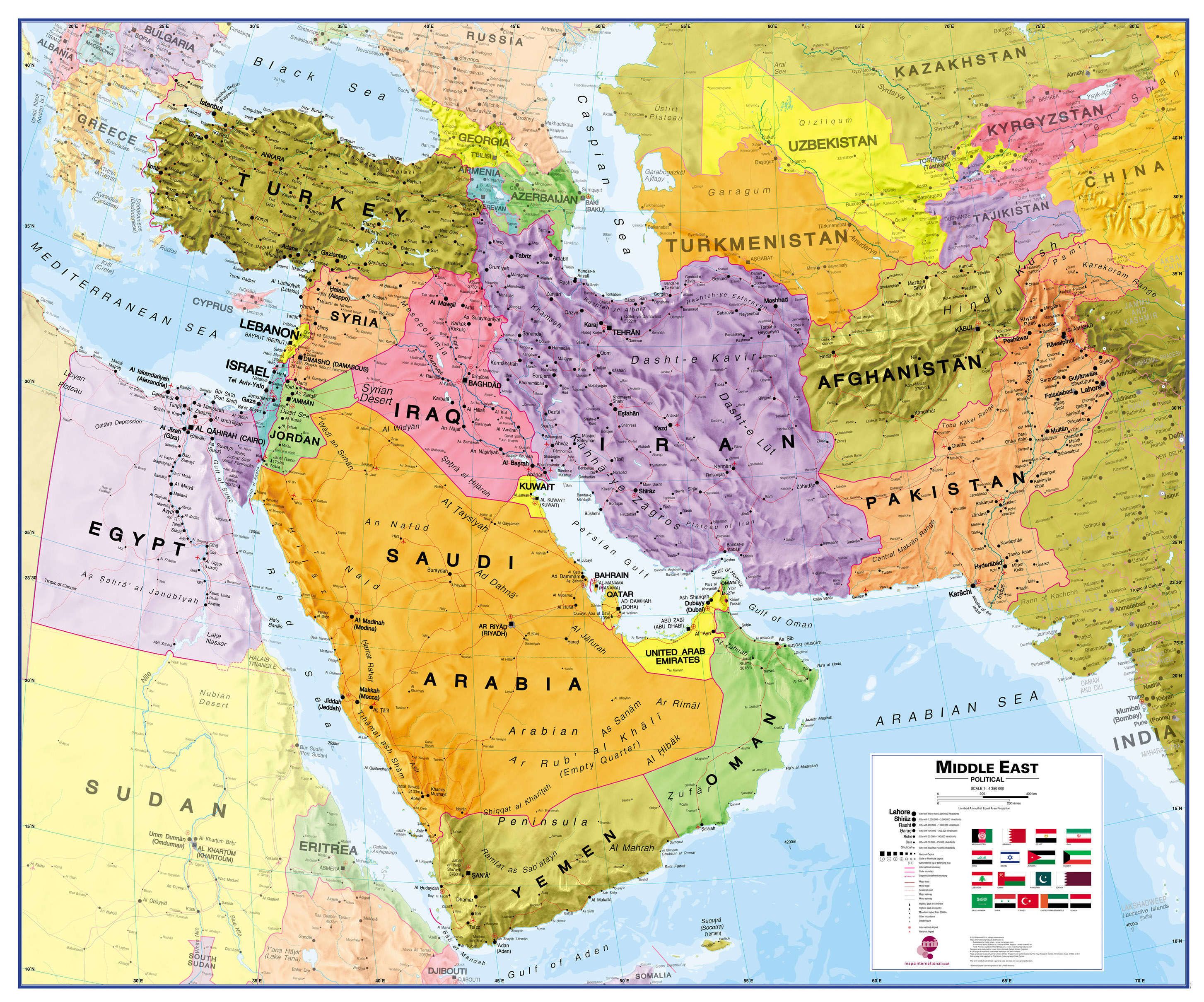
Analysts note that the increased exports are a direct response to the near-complete closure of the Strait of Hormuz, a vital chokepoint for global oil and fuel trade. The loss of Middle East supplies has forced production cuts and price spikes, exacerbating economic challenges worldwide.
McDonald’s Warns of Demand Impact as Cost Pressures Mount
Amid the economic strain, McDonald’s Corp. Has flagged concerns that rising costs—driven in part by the conflict—are beginning to affect consumer demand. The fast-food giant reported mixed first-quarter results, with comparable sales growth slowing to 1.9%, below market expectations. The company cited inflation, lower-income customer pullback, and boycotts in the Middle East as key factors weighing on sales.
CEO Chris Kempczinski emphasized that inflation is cutting into diner budgets, leading to reduced frequency of visits, particularly in major markets. McDonald’s is responding with targeted promotions and value messaging to counteract the slowdown, but the company has acknowledged that the war’s economic fallout is likely to persist as long as the conflict continues.
Despite the economic headwinds, the U.S. Government has indicated no plans to halt its fuel exports, even as domestic prices remain elevated. The decision highlights the delicate balance between meeting global demand and managing the domestic impact of higher fuel costs, as the nation continues to navigate the complex fallout from the Iran conflict.
The situation reflects a broader trend: geopolitical instability is reshaping global energy markets, with the U.S. Playing an increasingly pivotal role as a supplier of last resort.
For more on the economic impact of the Iran conflict, read:
