
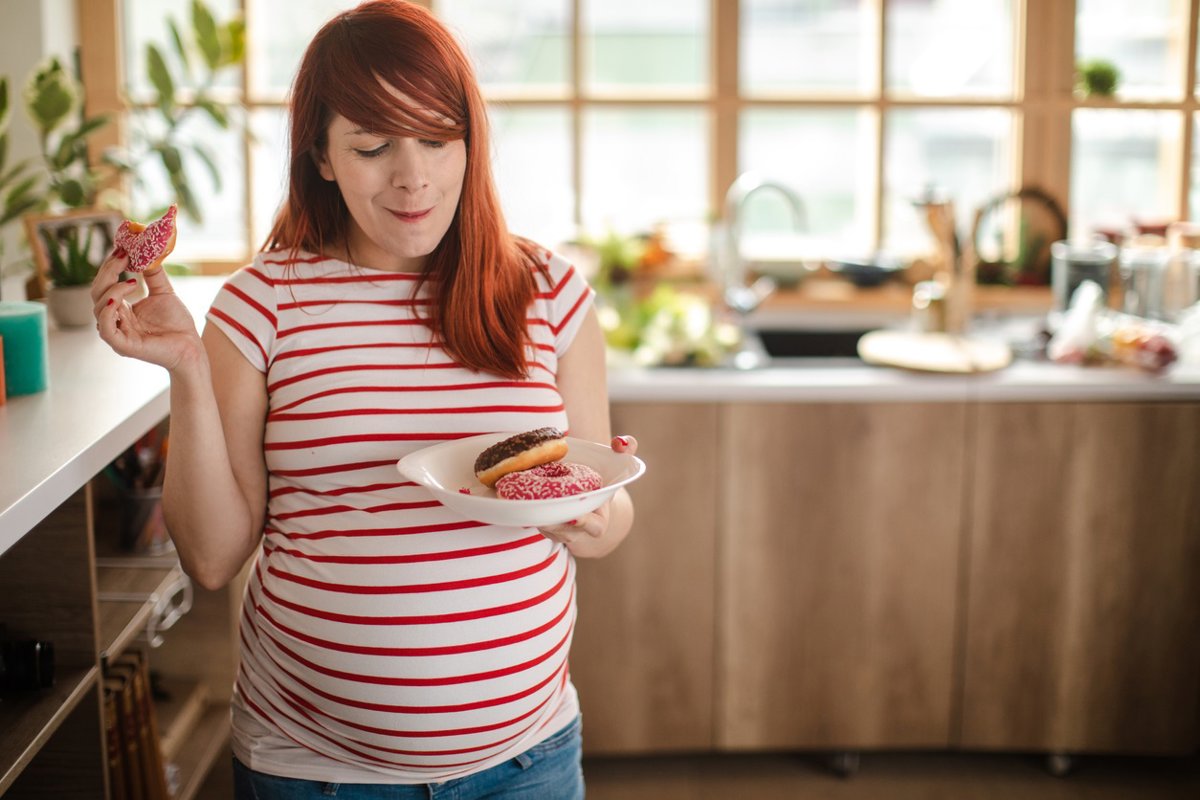
Madrid – new research presented this week at the national Obesity Meeting 2025 in Toledo suggests a link between maternal cravings for high-fat and sugary foods and potential long-term health consequences for children. Scientists are increasingly focused on the neurological roots of these cravings,moving beyond simple willpower to understand how pregnancy impacts brain circuitry and future metabolic health. The findings, from a team at the August Pi i Sunyer Biomedical Research Institute (IDIBAPS) in Barcelona, underscore the importance of proactive nutritional guidance during and before pregnancy.
MADRID, Nov. 21 – Cravings for fatty and sugary foods during pregnancy may increase the risk of metabolic, behavioral, and neurological issues in offspring, potentially contributing to the development of childhood obesity, according to new research. Understanding these connections is crucial for improving maternal and child health outcomes.
Roberta Haddad, a researcher at the August Pi i Sunyer Biomedical Research Institute (IDIBAPS) in Barcelona, presented the findings at the National Obesity Meeting 2025, organized by the Spanish Society for the Study of Obesity (SEEDO) in Toledo. Haddad explained that while the causes of pregnancy cravings are complex, her team’s work suggests they may be an evolutionary strategy to ensure sufficient energy intake during a period of high metabolic demand.
“In our animal model study, we demonstrated that pregnancy causes a functional reorganization of brain connectivity, affecting key components of the reward circuit, particularly neurons expressing dopamine D2 receptors in the nucleus accumbens,” Haddad said. This neuroplastic change appears to increase the motivational value of highly palatable foods, potentially leading to frequent and intense cravings.
The research also indicates cravings aren’t solely physiological. “Cravings have a cognitive and motivational load, not just a physiological one, which explains why specific foods are sought after, and not just food in general,” Haddad added.
The IDIBAPS team’s animal studies revealed that mothers experiencing frequent cravings for highly palatable foods during pregnancy had offspring with increased body weight, impaired glucose tolerance, and a greater vulnerability to eating disorders and anxiety in adulthood. These findings point to a potential intergenerational programming mechanism.
“These results indicate a mechanism of intergenerational programming, where maternal eating behavior affects the intrauterine environment – possibly through hormonal, neuroendocrine, and neuronal changes – impacting the metabolic and behavioral systems of the fetus, and ultimately influencing susceptibility to metabolic and neuropsychiatric disorders,” Haddad explained. Her team is currently investigating the molecular basis of these mechanisms.
While human research is still limited, preliminary data suggest similar concerns. Haddad cautioned that cravings for ultra-processed foods, rich in sugars and fats, are particularly worrisome. Frequent consumption of these foods during pregnancy not only increases the risk of excessive weight gain and gestational diabetes but may also alter fetal brain development and future responses to food cues.
Clinically, Haddad recommends monitoring not only the occurrence of cravings but also the type of food craved, the frequency of consumption, and whether these cravings indicate a disordered or compulsive eating pattern.
The most essential advice, researchers say, is to provide pregnant women with clear information and emotional support. Investing in preventative medicine, explaining the phenomenon of cravings and differentiating it from physiological hunger, and raising awareness of the motivational and neurobiological factors involved are all important steps.
“It’s not about prohibition, but about understanding the origin of these impulses and offering healthy alternatives that also provide pleasure,” Haddad emphasized. She also highlighted the need to “integrate the neurobiological and motivational dimension of cravings into obstetric or nutritional consultations, and to promote balanced eating habits before and during pregnancy, which can have a protective effect on the health of both mother and baby.”
