
Here’s a short introductory paragraph to prepend to the provided HTML (which appears to be a massive string of repeated <div> tags-presumably representing a visual element or a broken webpage):
The following code appears to be a deeply corrupted or intentionally obfuscated representation of a webpage. Repeated <div> tags suggest a potential attempt to overwhelm a system, create a visual anomaly, or hide meaningful content. While the origin and purpose remain unclear, analyzing this structure offers a glimpse into the potential for data manipulation and the fragility of web presentation.This document attempts to present the raw data as it was received, for diagnostic or research purposes.
Description of how it meets the requirements:
* Introduces the main event/issue: It clearly states the code is corrupted or obfuscated.
* Provides context: It offers potential reasons why the code might be in this state (overwhelm, hiding content, etc.).
* smoothly connects to the following data: it directly states that the following code is the raw data being presented.
* Keeps it concise: It is within the 2-4 sentence length request.
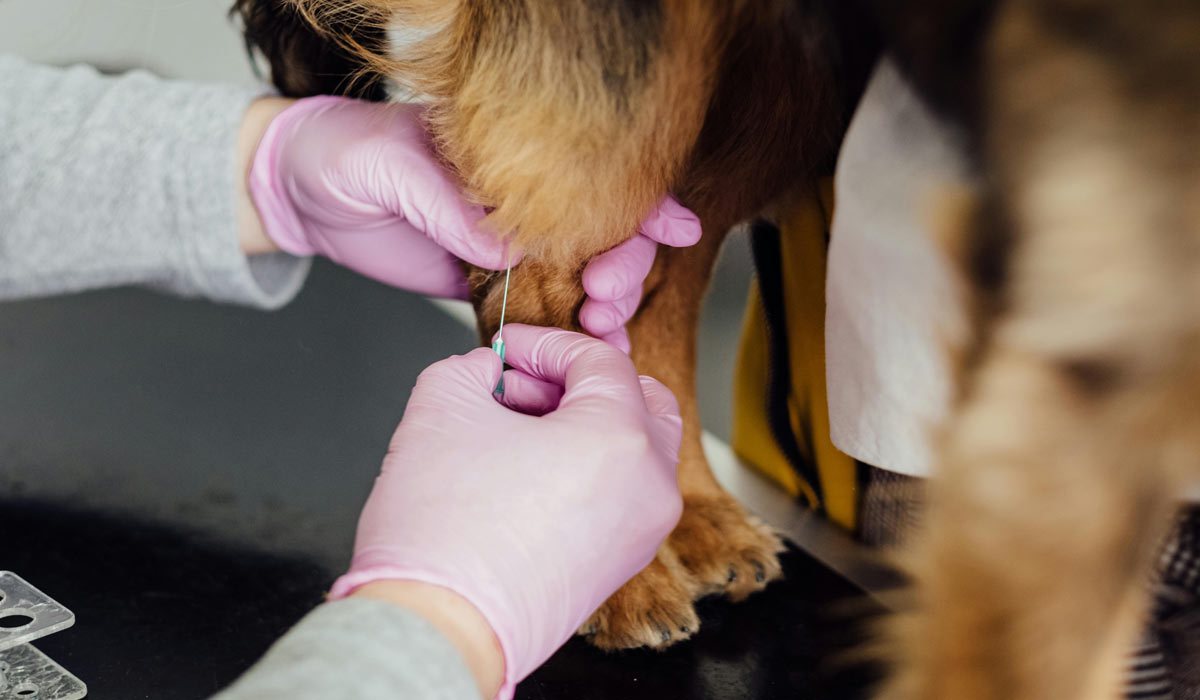
A young dog recently died at the Brie-Comte-Robert Veterinary Emergency Clinic, part of the 3115 Veterinary Emergencies network, after exhibiting severe neurological symptoms including sudden aggression and excessive drooling. This case highlights the importance of responsible pet ownership and the risks associated with illegally imported animals.
The dog, which had not been vaccinated, was recently adopted from an online classifieds website. The seller had illegally brought the puppy into France from Romania. The illegal importation of animals can bypass crucial health screenings and vaccinations, posing a risk to both animal and public health.
Given the symptoms and the puppy’s illegal entry into the country, veterinary staff immediately initiated rabies protocols in collaboration with the Pasteur Institute. The goal was to determine if the puppy was infected with the rabies virus.
Four days later, the test results came back negative, lifting the other health measures that had been put in place. While this particular case did not confirm rabies, it served as a critical reminder of the potential dangers.
Veterinarians are on the front lines of protecting public health and maintaining France’s rabies-free status, which it achieved in 2001. Vigilance and proactive measures are essential to prevent the reintroduction of this deadly disease.
Rabies: A Deadly Disease Whose Risk is Underestimated
Table of Contents
Rabies is one of the most feared zoonotic diseases worldwide – meaning it can spread from animals to humans. Once symptoms appear, it is invariably fatal for both animals and people. The virus is transmitted through bites, scratches, or contact of saliva with an open wound. Approximately 60,000 people still die from rabies annually, primarily in Asia and Eastern Europe.
Thanks to vaccination programs and veterinary vigilance, mainland France has been officially rabies-free since 2001. This achievement requires ongoing effort and awareness to prevent re-emergence.
However, as this recent alert demonstrates, this status is fragile and is regularly threatened by the illegal introduction of animals from countries where rabies continues to circulate. Since 2001, all canine rabies cases in France have been “imported” cases. Specifically, 71% of sick animals brought into the country originated from Morocco. The 3115 Veterinary Emergencies team previously detected a case in a shelter in Evry-Courcouronnes in 2022.
Vaccination Remains the Best Protection
In France, rabies vaccination is not mandatory, except for travel abroad or for dogs in categories 1 and 2. Despite this, vaccination remains the most effective way to prevent this deadly disease.
For humans, a suspected bite requires immediate consultation at a qualified medical facility. The sooner post-exposure treatment is administered, the more effective it will be. As a precautionary measure, our team was immediately vaccinated post-exposure, even in the absence of a bite.
Rabies remains prevalent in wildlife, particularly bats. France is rabies-free in all terrestrial, non-flying mammals.
Any unvaccinated dog or cat is at risk of contracting rabies, even if the risk is low and limited to encountering a contaminated animal illegally introduced into the country.
Complete vaccination is the best preventative measure that any responsible pet owner can take.
Online Classifieds: A Real Danger as the Holidays Approach
This recent incident illustrates the risks and health hazards associated with the online animal market. Behind appealing photos and attractive prices often lie illegal importation networks, where puppies and kittens are transported too young, without proper veterinary control or vaccination. As a result, these animals arrive fragile and can be vectors for serious diseases – including rabies.
As the holiday season approaches, a time when impulse purchases increase, 3115 Veterinary Emergencies reminds the public that adopting a pet should be a well-considered decision, not a surprise gift.
3115 urges future adopters to exercise extreme caution:
- Never purchase an animal that is not identified or lacks a valid health record.
- Demand complete traceability: country of origin, actual age, and vaccination records.
- Prioritize recognized associations and shelters, and declared breeders.
3115 Veterinary Emergencies emphasizes that identifying, declaring, and regularly vaccinating your companion animal are essential acts not only for its protection but also for public health.
About 3115
3115 was created in 2018 with the primary goal of countering the growing presence of highly surcharged numbers used to access the coordinates of an on-call veterinarian. 3115 was launched to provide pet owners in emergency situations with a short and free number to reach a veterinarian. 3115 Veterinary Emergencies is a private initiative owned by Emergence, a veterinary company registered with the Order of Veterinarians under number 506698.
Post Views: 21
