
While headlines today focus on the arrival of driverless buses and other futuristic transportation, a look back at past technological predictions reveals a landscape of both successes and forgotten ventures. This piece revisits a little-known chapter in radio history – the enterprising 1999 plan to launch a cable-based radio network in Belgium – and explores how a once-promising vision ultimately faded with the rise of the internet, offering a cautionary tale of disruption and evolving technology.
Just this week, the first passengers boarded a driverless bus in Leuven, Belgium, a development once relegated to the realm of future technology now operating in everyday traffic. The arrival of autonomous public transport marks a significant step in the evolution of transportation, and it’s a moment that recalls earlier predictions about the future of technology – some more successful than others.
In 1999, I had a glimpse into a different vision of the future, attending a press conference focused on the potential of radio. That particular prediction, however, didn’t quite pan out as expected.
Twenty-seven years ago, before the widespread use of GPS, a team traveled to Vilvoorde, Belgium, for a joint press conference hosted by Radio Flandria and the Dutch station 538. The event took place at the ‘House of the Future.’ Peter van Dam, Lex Harding, and Erik de Zwart confidently announced that cable radio was the way forward. Over a quarter-century later, that chapter feels largely forgotten.
The ‘House of the Future’ itself has evolved. The original 1995 project transformed through several iterations and name changes into ‘Living Tomorrow,’ an innovation and demonstration platform designed to offer visitors and businesses insights into emerging technologies and trends.
Cable Everywhere
Table of Contents
I don’t recall the exact smell, but I remember a distinct scent of promise mixed with the aroma of coffee that had been warming for too long. The future was represented by walls covered in information, brochures, and a badge on a lanyard for attendees. I stood there with the intention of being able to say later, “I was there when things could have gone differently.”
Peter van Dam’s name was mentioned more frequently that day than the word ‘cable.’ And rightfully so. While some build houses, and others bridges, Peter built radio. Not with bricks and mortar, but with ideas, determination, and a firm belief that listening is an intimate experience – something you don’t download, but rather something that resonates with you. Radio Flandria exemplified this, being the first cable radio station in Flanders.
A Footnote
In 2026, it feels like a relic of the fax machine and telephone directory era, but at the time, it was revolutionary. Radio without relying on the airwaves. Radio that found its way along the baseboards of living rooms. Radio Flandria was a bit rebellious, a bit independent, and therefore, inherently interesting. It was the kind of station that you knew would either succeed spectacularly or be relegated to a small footnote in history. It became the latter.
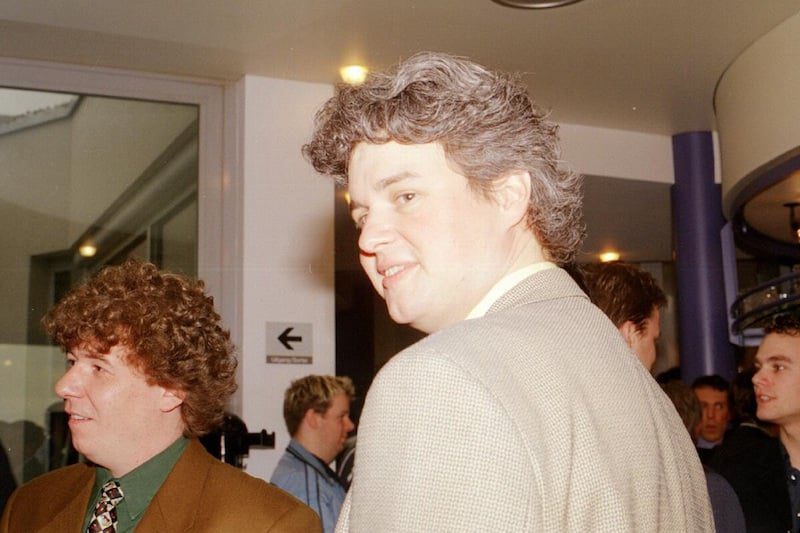
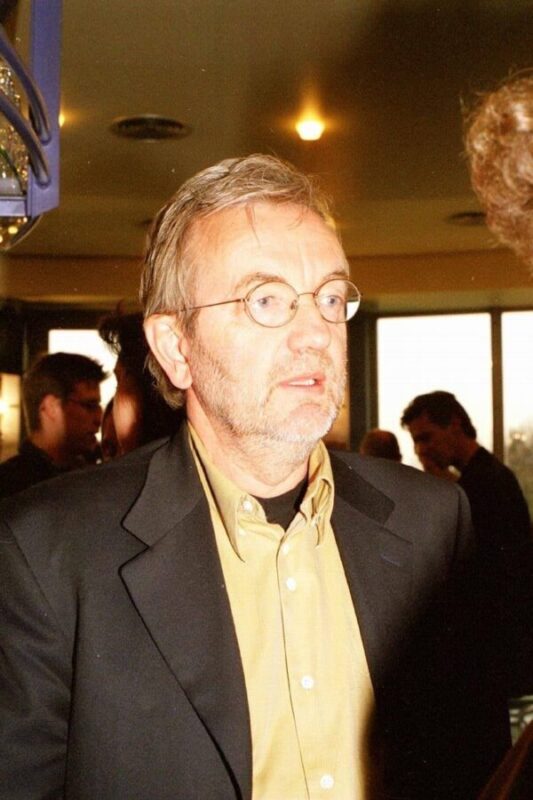
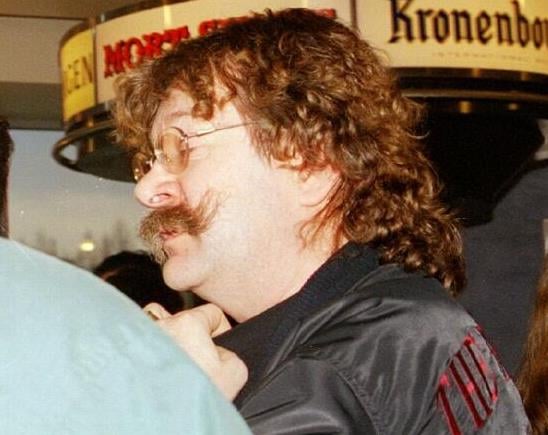
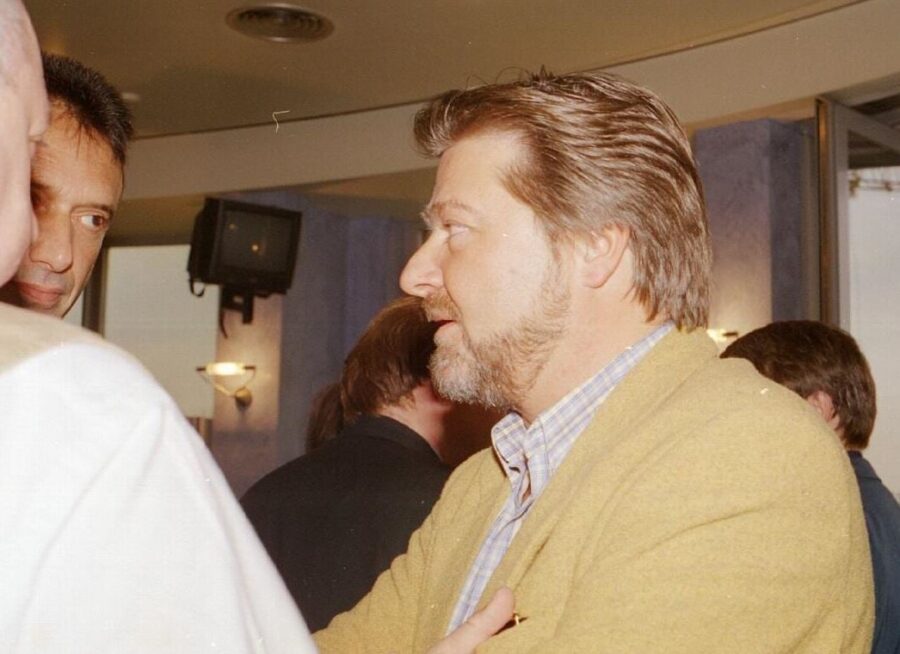
Radio Flandria and Radio 538 joined forces at a press conference in February 1999. It was a moment where Belgium and the Netherlands seemed to agree on setting aside the past. The Dutch stations aimed to expand into Flanders via cable, having previously attempted to reach the region through medium wave radio until August 31, 1974, with Radio Veronica and Radio Noordzee Internationaal. Market share, synergy, and reach – terms that inevitably surface whenever radio discussions move beyond music.
Veronica veteran Lex Harding was also present in Vilvoorde. Naturally. Lex Harding *is* radio. His presence seems to automatically trigger a jingle in the background. Alongside him stood Erik de Zwart, another icon. A program director, a visionary, someone who looks as if he dreams about radio even in his sleep. Though, that’s not entirely true – he also has a passion for trains, but that’s another story.

Trading the Top 30 for Cable
Lex and Erik stood slightly forward, conveying a sense of seriousness. They wanted to demonstrate that the Netherlands was committed to Flanders, that it wasn’t just a side project, but a genuine endeavor. At least for a few quarters. Former Mi Amigo host Ton Schipper was also there. Ton is always there. Combine the words “radio” and “party,” and then look at the photos – Ton is in them. Always. Guy De Vynck had also found his way to the ‘House of the Future,’ bringing a dose of Flemish pragmatism to a setting of… futuristic music.
A man who understood that radio could be different than what he had been told at the public broadcaster. That’s why he traded presenting the Saturday ‘Top 30’ chart show for a position at Radio Flandria. Less self-promotion, more patience. The beauty of that day was that everyone believed it – for a moment. The press had notebooks, cassette recorders, and microphones at the ready. Because on that day in February 1999, radio was reinvented in Vilvoorde, via cable. As if the future arrived neatly packaged in boxes, ready to be distributed.
Then Came the Internet
Now, we know how these stories often end. The future proved unpredictable. Cable lost out to the internet. Names faded. Peter passed away. Photos ended up in archives where no one searches anymore. Radio Flandria is a chapter that has almost completely disappeared between the pages of radio history. Not because the project was unimportant, but because time never stands still, and revolutions don’t either.
And yet, those who were there remember. That day in Vilvoorde, radio felt tangible. You could almost touch it. It stood there in suits and ties, spoke with soft G’s and bold ambitions. And somewhere, between Lex Harding and Peter van Dam, between cables and coffee, you thought, “This is how history begins.” Only, no one knew then how quietly it would end.
° Photo above: Peter van Dam and Erik de Zwart
- Radio Flandria: October 1997 – March 2000
- Radio 538 (Flanders): February 1999 – February 2000

