
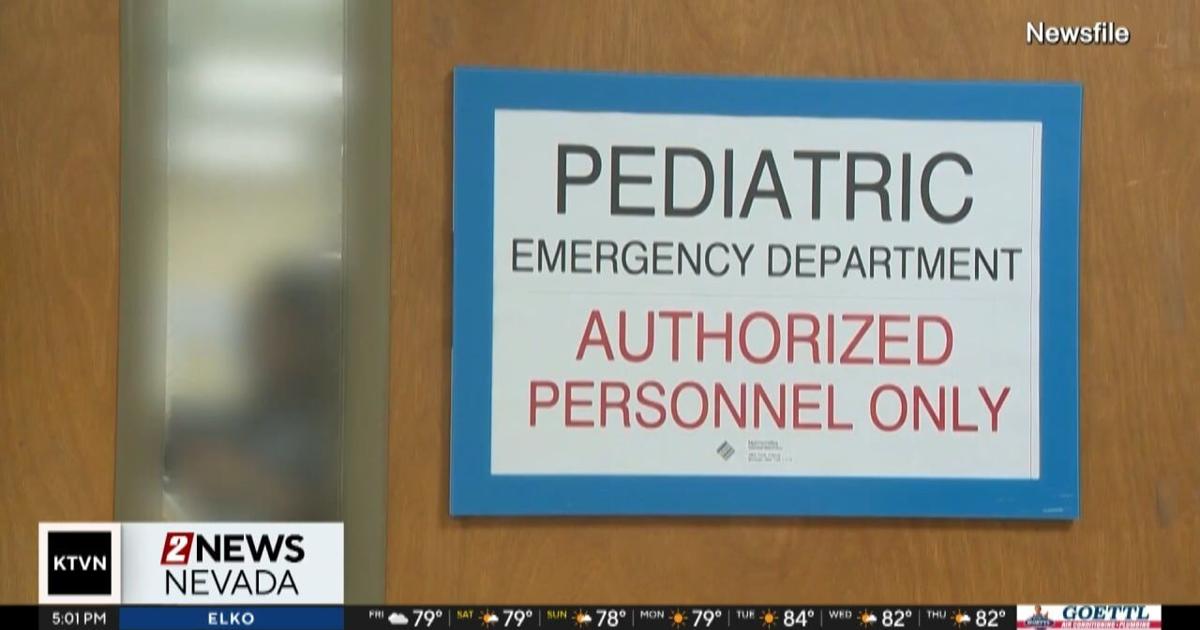
Are emergency rooms becoming the new front line for mental health care? This article delves into the concerning rise of mental health visits to emergency departments, especially among young people, exploring the driving factors and the implications for our healthcare system [[[1]]. We’ll examine the trends shaping the future of mental healthcare in emergency settings and discuss potential solutions to address this growing crisis, offering insights that could help improve access and outcomes for those in need. Discover what’s fueling this surge and what can be done to turn the tide on mental health in emergency departments.
Teh Rising Tide: Mental health in Emergency departments
Table of Contents
Emergency departments (EDs) across the country are witnessing a concerning trend: a surge in mental health-related visits, notably among children and adolescents. This increase isn’t just a blip; its a complex issue with far-reaching implications for healthcare systems and the well-being of our youth.Recent data highlights the urgency of this situation, with studies showing meaningful increases in mental health-related ED visits [[3]].
Why the Increase? Unpacking the Contributing Factors
Several factors contribute to this rise. Increased awareness and reduced stigma surrounding mental health are positive developments, encouraging more peopel to seek help. Though, other elements are also at play. Social media’s impact on young people’s mental health is a growing concern, with studies suggesting a correlation between excessive use and increased rates of anxiety and depression.Additionally,societal pressures,academic stress,and economic uncertainties can exacerbate existing vulnerabilities.
Did you know? The COVID-19 pandemic significantly impacted mental health, leading to increased isolation, stress, and disruption of routines, further contributing to the rise in ED visits.
The Future of Mental Healthcare in the ED: Trends and Predictions
Looking ahead,several trends are likely to shape the future of mental healthcare in emergency settings:
- Increased Specialization: EDs will likely need to develop specialized mental health units or dedicated areas to provide more focused care.This includes hiring more mental health professionals, such as psychiatrists, therapists, and social workers, to assess and treat patients effectively.
- Telehealth Integration: telehealth services will become increasingly integrated into ED care. This allows for remote consultations, follow-up appointments, and access to mental health support for patients who may have difficulty accessing in-person services.
- Early Intervention Programs: There will be a greater emphasis on early intervention programs and preventative measures. This includes school-based mental health services, community outreach programs, and initiatives to educate parents and caregivers about recognizing and addressing mental health concerns in children.
- Data-Driven Approaches: Healthcare providers will increasingly rely on data analytics to track trends, identify high-risk populations, and evaluate the effectiveness of interventions. This data-driven approach will help optimize resource allocation and improve patient outcomes.
Case Study: The Impact of Limited Resources
Consider the case of a rural community where the nearest mental health facility is hours away. This lack of access forces individuals experiencing a mental health crisis to seek help at the ED, which may not be equipped to provide the specialized care they need.This situation highlights the urgent need for increased investment in mental health resources, particularly in underserved areas.
Pro tip: Advocate for increased funding for mental health services in your community. Contact your local representatives and support organizations working to improve access to care.
Addressing the Challenges: What Can Be Done?
Addressing the rising tide of mental health issues in EDs requires a multi-faceted approach:
- Increased Funding: allocate more resources to mental health services, including staffing, facilities, and programs.
- Community Collaboration: Foster partnerships between hospitals, schools, community organizations, and mental health providers to create a comprehensive support system.
- Education and Awareness: Raise awareness about mental health issues and reduce stigma through public education campaigns.
- Policy Changes: Advocate for policies that support mental health parity, ensuring that mental healthcare is treated equally to physical healthcare.
Frequently Asked Questions
Q: Why are mental health visits to the ED increasing?
A: Factors include increased awareness, reduced stigma, social media‘s impact, societal pressures, and the effects of the pandemic.
Q: What are some potential solutions?
A: Increased funding, community collaboration, education, and policy changes are crucial.
Q: How can I support someone experiencing a mental health crisis?
A: Listen without judgment, offer support, and encourage them to seek professional help. If they are in immediate danger, call emergency services.
Q: What role does social media play?
A: Excessive social media use can contribute to anxiety, depression, and other mental health challenges, especially in young people.
Q: What is the future of mental healthcare in the ED?
A: Increased specialization, telehealth integration, early intervention programs, and data-driven approaches are expected.
The trends in mental health-related ED visits are a call to action. By understanding the contributing factors, anticipating future developments, and implementing effective solutions, we can work towards a future where everyone has access to the mental healthcare they need.
Want to learn more? Explore our other articles on mental health and subscribe to our newsletter for the latest updates and insights.
