
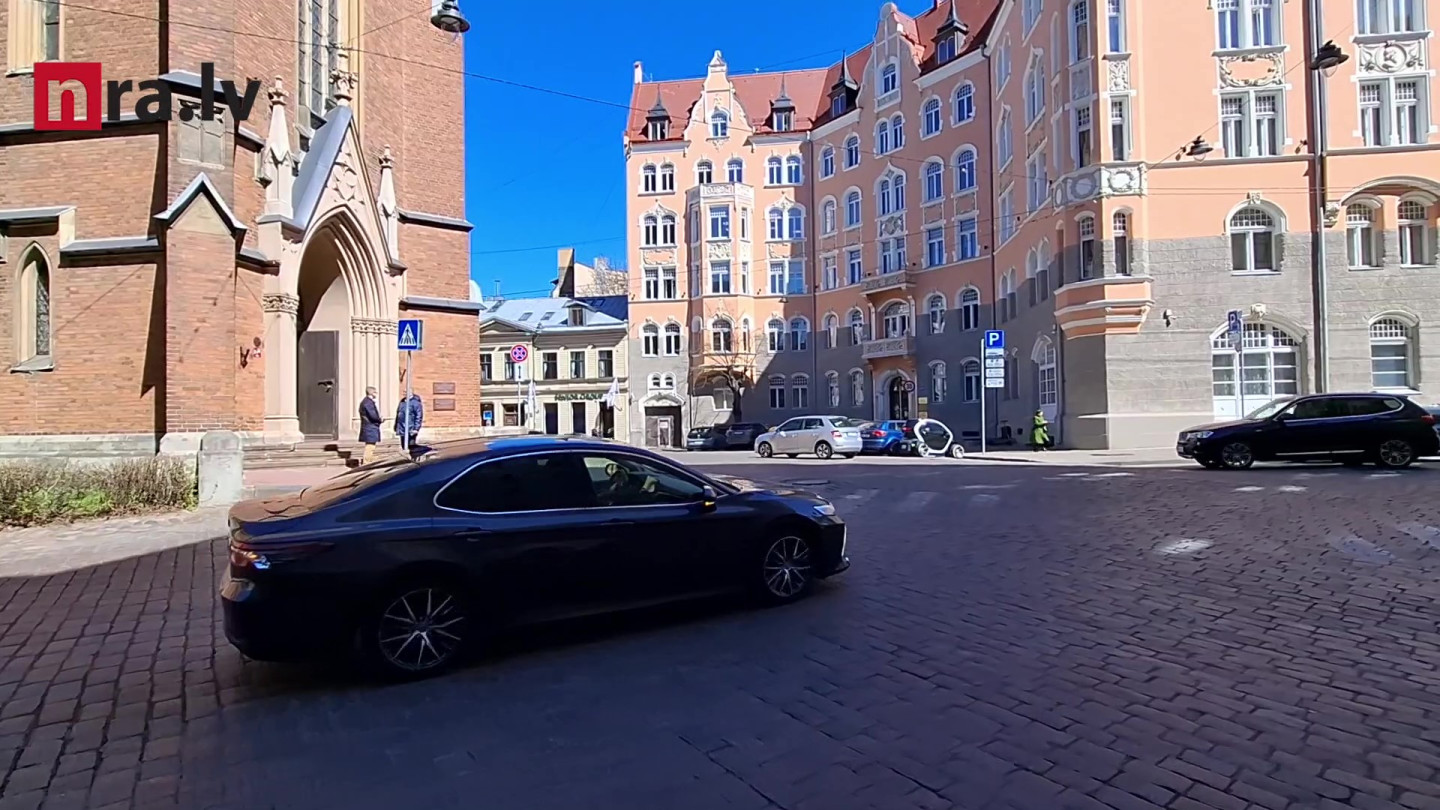
RIGA, Latvia — A plan to transform a historic square in front of St. Gertrude’s Old Lutheran Church into a pedestrian-only zone has sparked a heated debate between city officials, local businesses, and residents, threatening to strain the ruling coalition and disrupt commerce in one of Riga’s oldest neighborhoods.
The proposal, unveiled by Riga’s municipal government on April 28, would close a section of Gertrude Street to vehicular traffic, creating a car-free plaza around the 19th-century church. The project aims to enhance pedestrian safety, reduce noise pollution, and restore the area’s historic character, according to city documents. But critics argue the move could isolate businesses, worsen traffic congestion, and impose unnecessary costs on an already struggling local economy.
Pedestrian Zone Plan Divides Community
The controversy centers on a stretch of Gertrude Street adjacent to the church, a neo-Gothic landmark designed by architect Johann Daniel Felsko and consecrated in 1869. The church, a three-aisled pseudo-basilica with a 207-foot tower, has long been a focal point of the neighborhood, which sits just outside Riga’s historic Old Town. Its red-brick facade and intricate spires build it one of the city’s most recognizable religious structures.
Under the plan, the city would permanently close the street segment between the church and nearby intersections, converting it into a pedestrian plaza with benches, greenery, and improved lighting. The initiative was first proposed by local residents, who argued that the area’s heavy traffic posed safety risks and detracted from the church’s architectural significance. The Riga City Council later adopted the idea, framing it as part of a broader effort to revitalize public spaces in the capital.
“This is about reclaiming a piece of our city’s history,” said a spokesperson for the Riga municipal government. “The area around St. Gertrude’s Church has been a gathering place for centuries, and this project will restore its original purpose as a space for people, not cars.”
Business Owners Push Back
But the plan has met fierce resistance from local entrepreneurs, who warn that closing the street to vehicles could cripple their operations. Gertrude Street is lined with small shops, cafes, and service businesses that rely on drive-by traffic and easy access for deliveries. Many fear that diverting cars to side streets will make the area harder to reach, discouraging customers and increasing transportation costs.
“This isn’t just about convenience—it’s about survival,” said one business owner, who asked not to be named. “If customers can’t park nearby or get here easily, they’ll go somewhere else. We’re already struggling with inflation and rising rents. This could be the final straw.”
Opponents of the plan have too raised concerns about the potential impact on emergency vehicle access and waste collection. Some have suggested that the city’s traffic studies are incomplete, arguing that rerouting cars through narrow side streets could create bottlenecks and worsen air quality in residential areas.
The debate has exposed divisions within Riga’s ruling coalition, with some city council members questioning whether the project was adequately vetted before being announced. Others have accused the municipal government of prioritizing aesthetics over practical concerns, particularly at a time when many small businesses are still recovering from the economic fallout of the COVID-19 pandemic.
A Compromise in the Works?
In response to the backlash, city officials have signaled a willingness to adjust the plan. One proposal under consideration would limit the street closure to certain hours of the day or days of the week, allowing vehicles during off-peak times. Another option would involve creating a shared space where pedestrians and cars coexist, rather than a fully car-free zone.

“We’re listening to the community’s concerns and are open to modifications,” said a city representative. “Our goal is to find a solution that balances the needs of residents, businesses, and visitors.”
The Riga City Council is expected to vote on the final proposal in the coming weeks. If approved, construction could begin as early as this summer, though legal challenges or further opposition could delay the project.
Why This Matters
The dispute over Gertrude Street reflects broader tensions in Riga and other European cities grappling with how to modernize historic urban spaces without alienating residents or stifling economic activity. Similar debates have played out in cities like Barcelona, Paris, and Copenhagen, where efforts to reduce car traffic have met with mixed reactions. For Riga, the outcome could set a precedent for future urban planning projects, particularly in areas where historic preservation and commercial interests collide.
As the city weighs its options, one thing is clear: the fate of Gertrude Street will have lasting implications for the neighborhood—and for Riga’s approach to balancing heritage, mobility, and economic vitality.
For more details on the project, visit the Riga City Council’s official website.
