Implantado em maio de 2025, o Ambulatório Materno-Infantil se aproxima de um ano de funcionamento com resultados expressivos
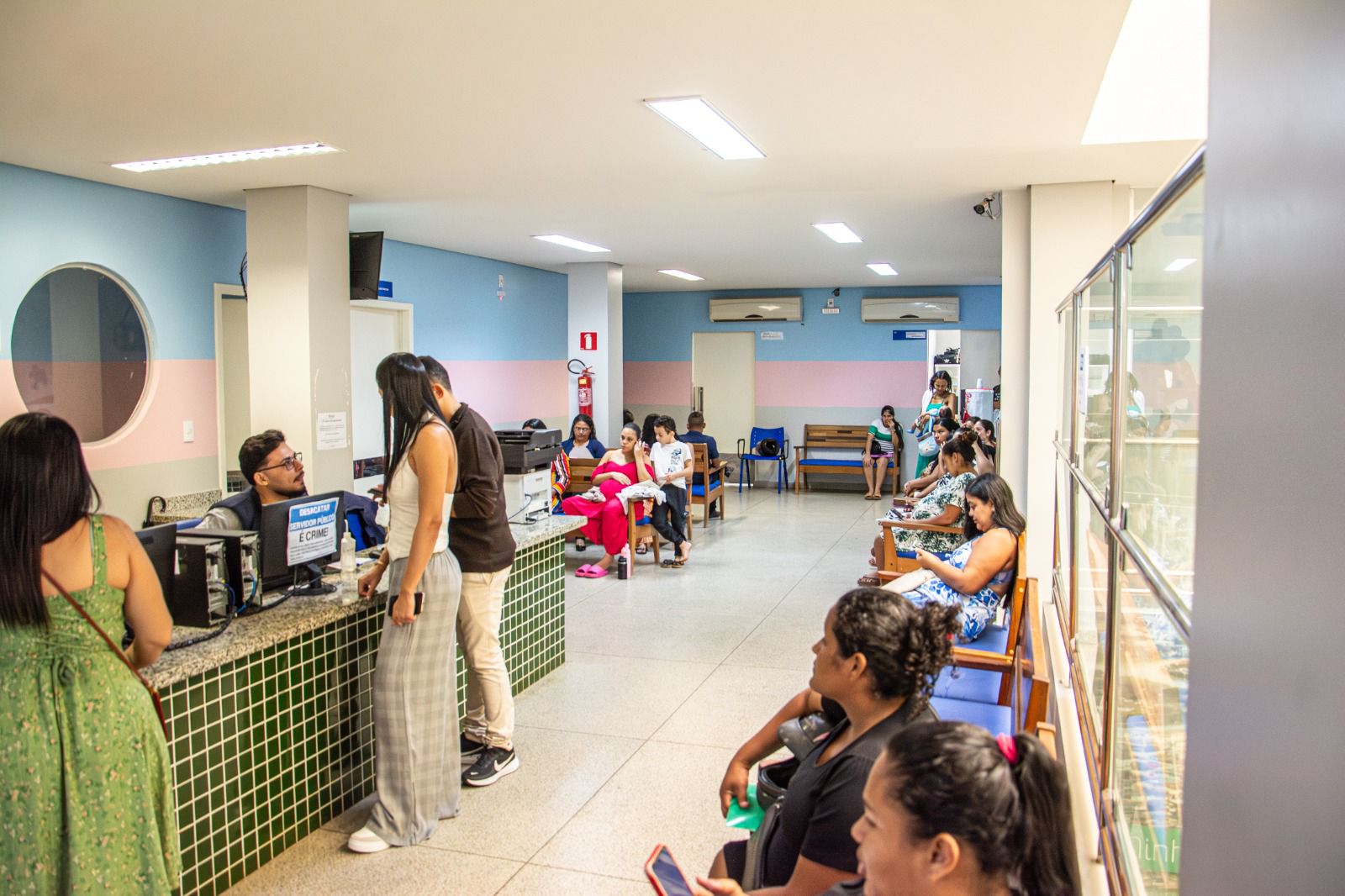
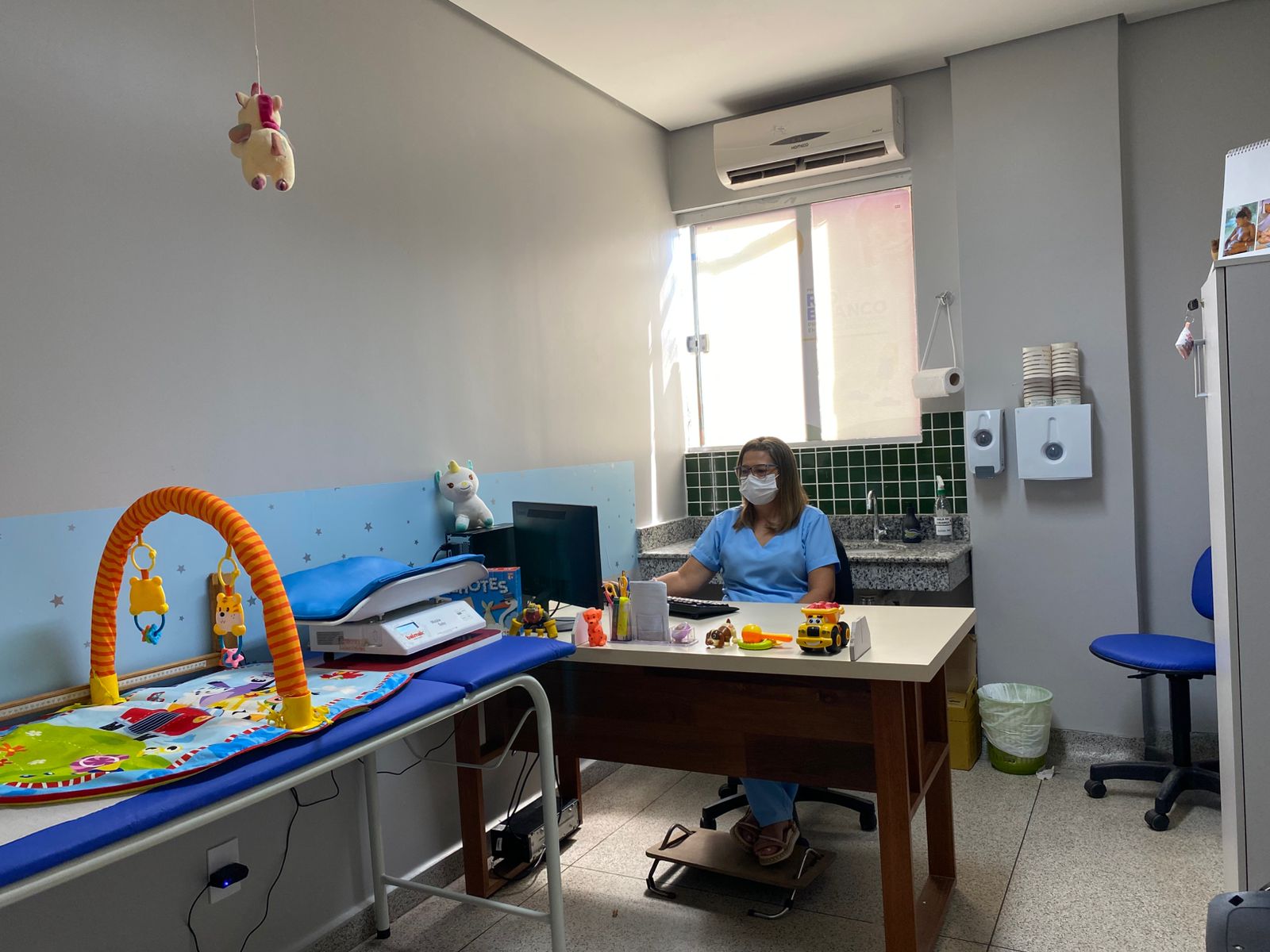
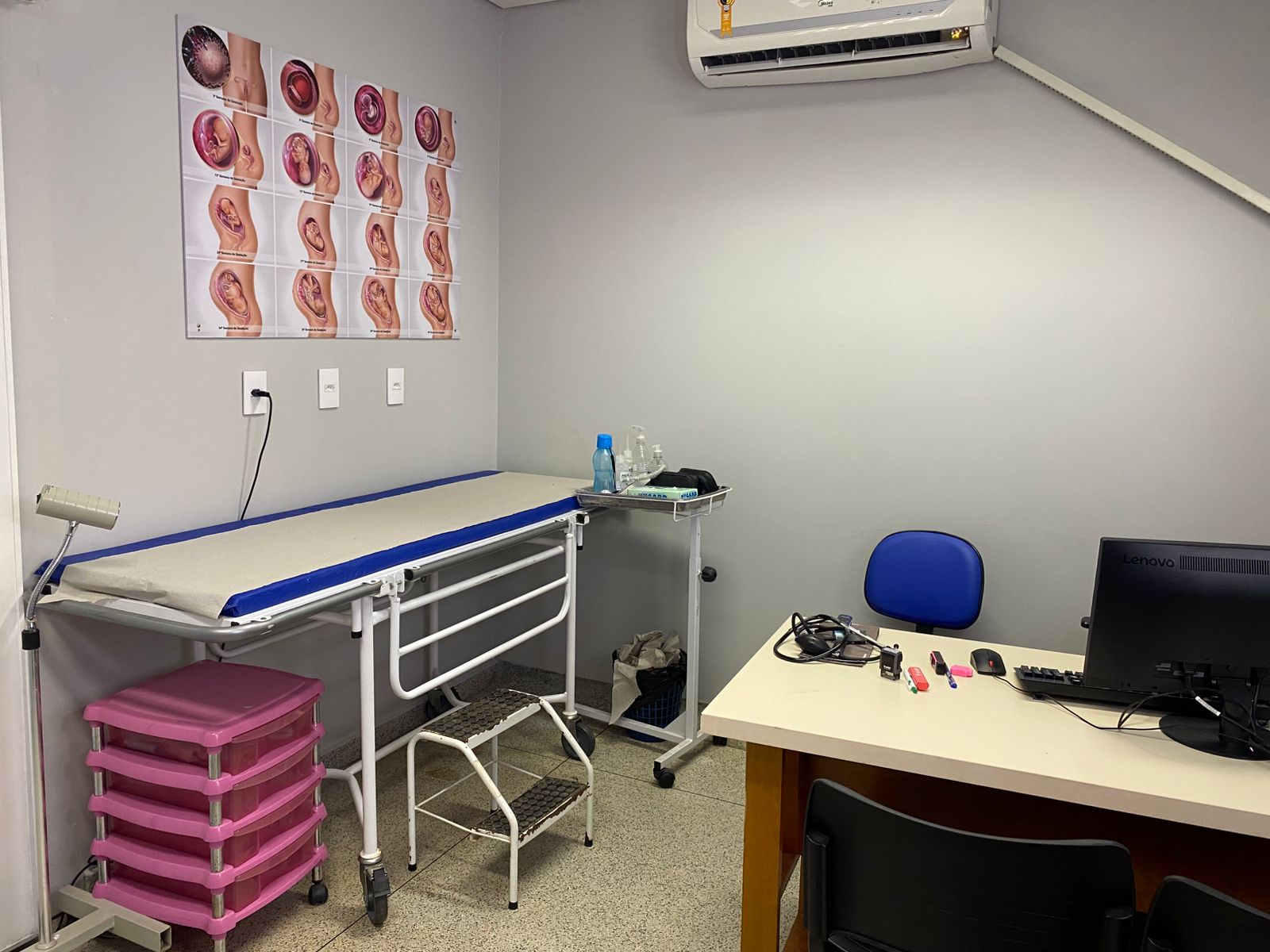
A gravidez brings a complex mix of emotions, especially when challenges arise during a high-risk pregnancy. In Rio Branco, specialized care is now available through the Ambulatório Materno-Infantil (Maternal-Infant Outpatient Clinic) at the Policlínica Barral y Barral, established by the Rio Branco City Hall through the Municipal Health Department, as a strategic reinforcement to the health care network for women and children.
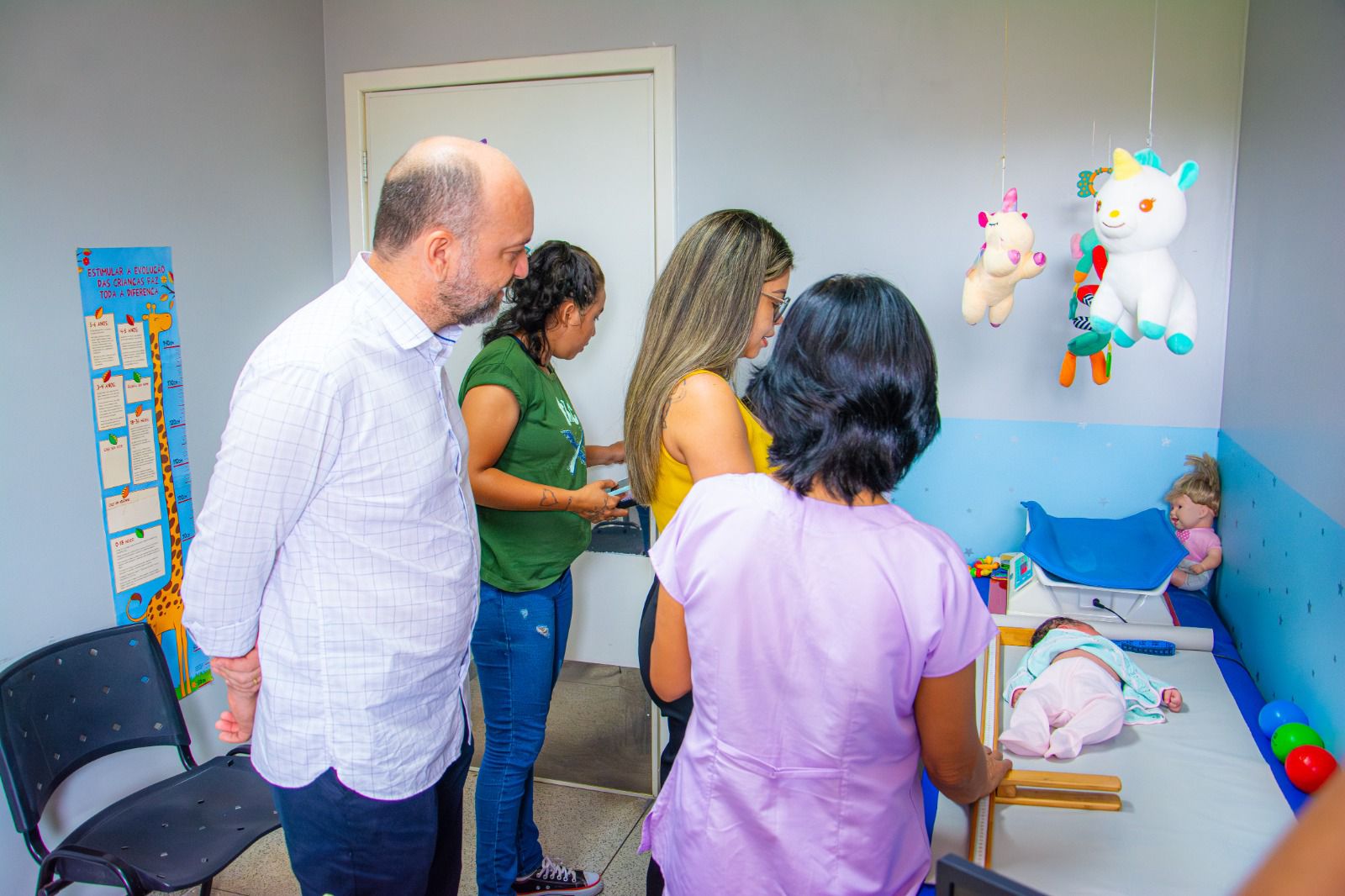
The Maternal-Infant Outpatient Clinic at Policlínica Barral y Barral is a strategic reinforcement to the health care network for women and children. (Photo: Átilas Moura/Secom)
Established in May 2025 to address a significant unmet require – over 350 pregnant women requiring specialized care – the clinic is approaching its one-year anniversary with impressive results. Between May 2025 and the first week of February 2026, the service provided 3,153 specialized appointments, becoming a key resource for comprehensive, multidisciplinary care for women with intermediate and high-risk pregnancies, postpartum patients, and young children.
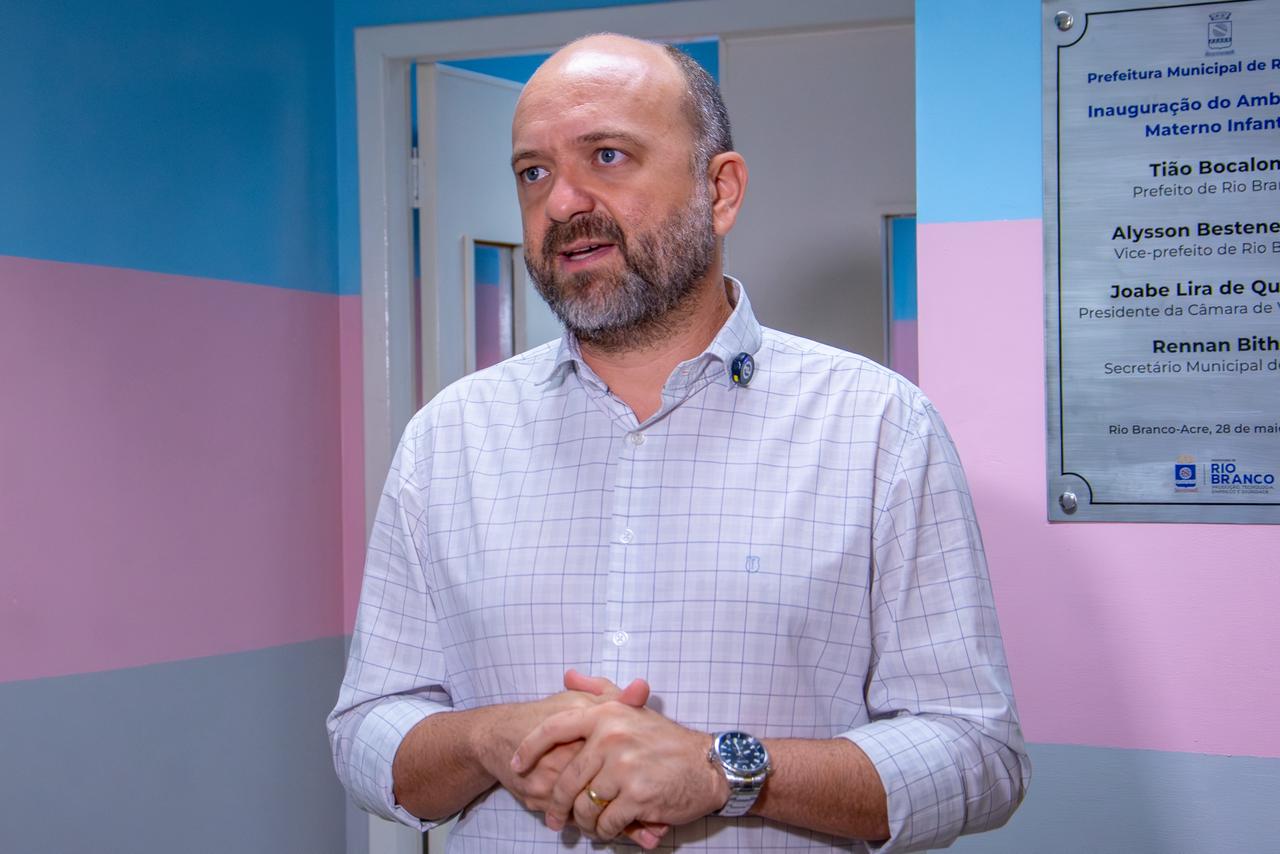
According to Rennan Biths, the municipal secretary of health, the clinic’s achievements reflect the commitment of Mayor Tião Bocalom’s administration to the health of women and children, particularly those facing more complex pregnancies. “Since the beginning of Mayor Tião Bocalom’s administration, maternal and child health has been a priority,” Biths stated. “The implementation of the Maternal-Infant Outpatient Clinic was a strategic decision to guarantee specialized, humanized, and continuous care for high-risk pregnant women, reducing complications and strengthening the health care network. These more than 3,100 appointments demonstrate the municipal administration’s commitment to caring for those most in need, with responsibility and a commitment to life.”
“The implementation of the Maternal-Infant Outpatient Clinic was a strategic decision to guarantee specialized, humanized and continuous care to high-risk pregnant women,” highlighted Secretary Rennan Biths. (Photo: Átilas Moura/Secom)
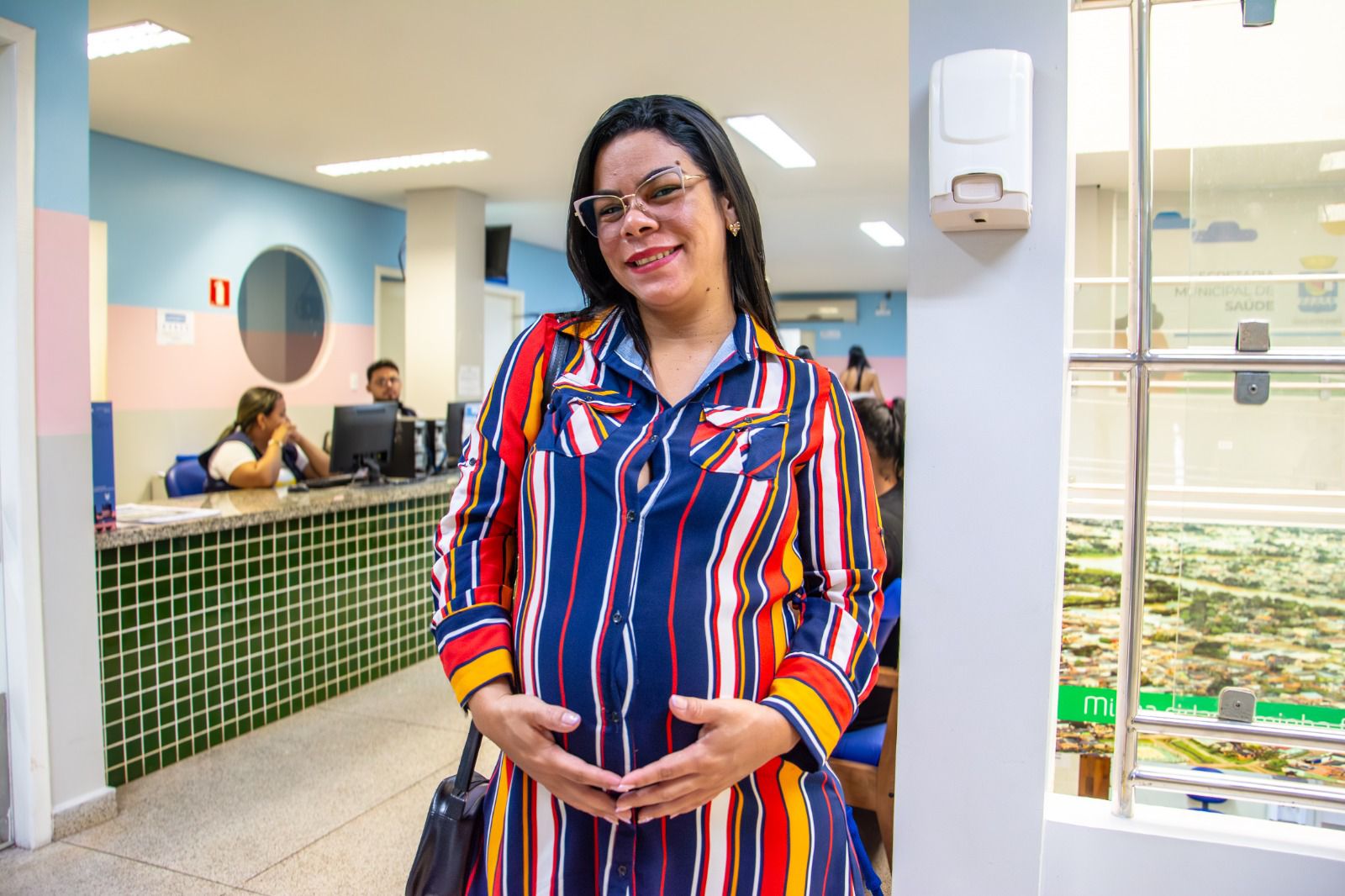
The clinic has provided a vital resource for women like Raíssa Fraga, who is nine months pregnant and experienced a previous pregnancy loss. She is now receiving continuous care and monitoring at the outpatient clinic.
Nine months pregnant, Raíssa is following a recent trajectory of care with continuous monitoring at the outpatient clinic. (Photo: Átilas Moura/Secom)
“In 2023, I experienced a particularly painful loss: I discovered a pregnancy that was already advanced while being treated for pneumonia, and my baby was already stillborn. The experience left trauma and a lot of fear. Now, in my second pregnancy, I’ve had monitoring from the beginning. I was diagnosed with placental abruption, gestational diabetes, and high blood pressure, and I received all the support at Barral y Barral, with constant monitoring from Dr. Andressa,” she shared.
“I had moments of insecurity, especially between five and six months, but thankfully things progressed well,” Raíssa said. (Photo: Átilas Moura/Secom)
According to Raíssa, the greatest fear wasn’t just the clinical diagnosis, but the fear of reliving the pain of loss. Nearing her due date, she added:
“I had moments of insecurity, especially between five and six months, but thankfully things progressed well, with control of diabetes and blood pressure. Today, at nine months, I’m at my second-to-last appointment and being referred to the maternity hospital for final exams.”
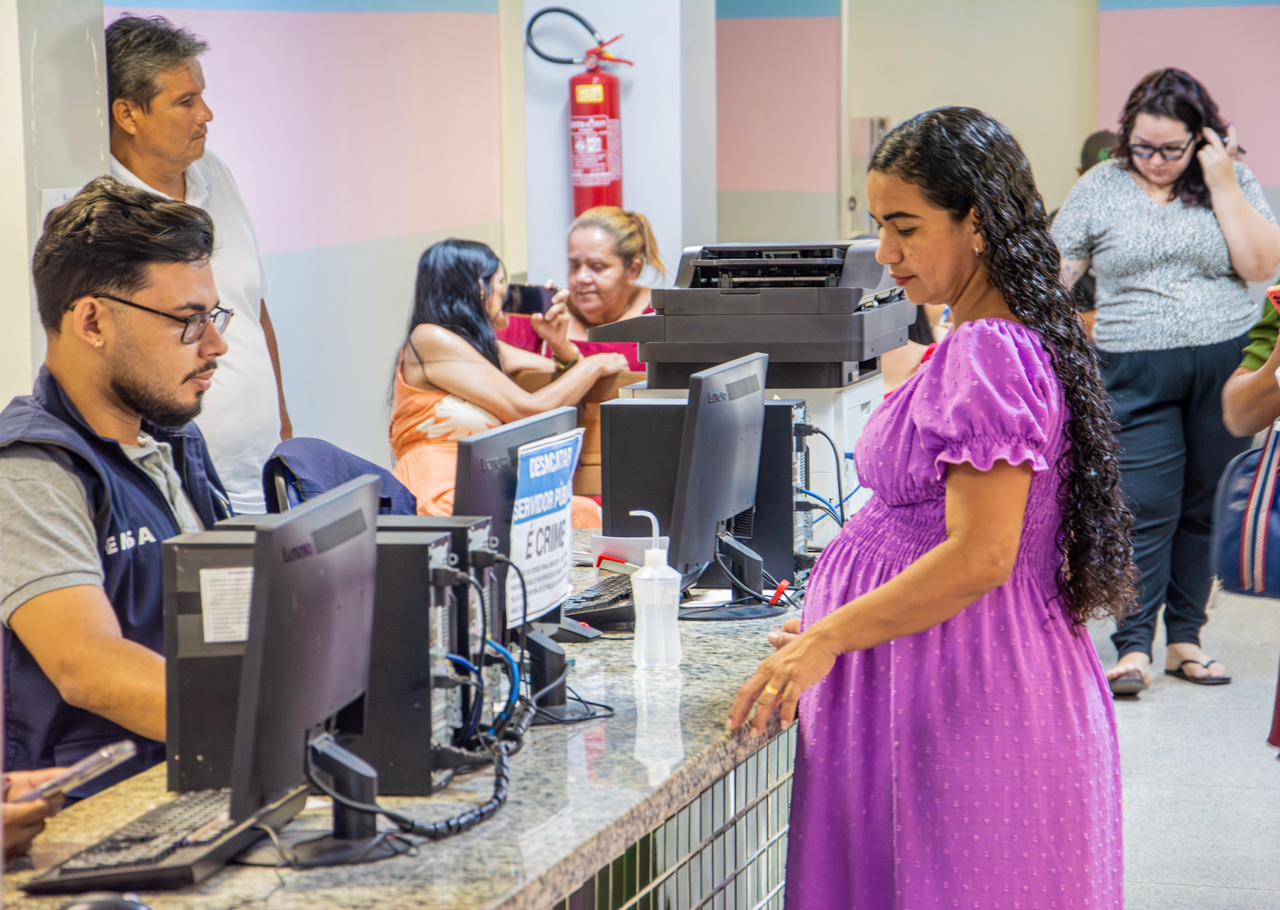
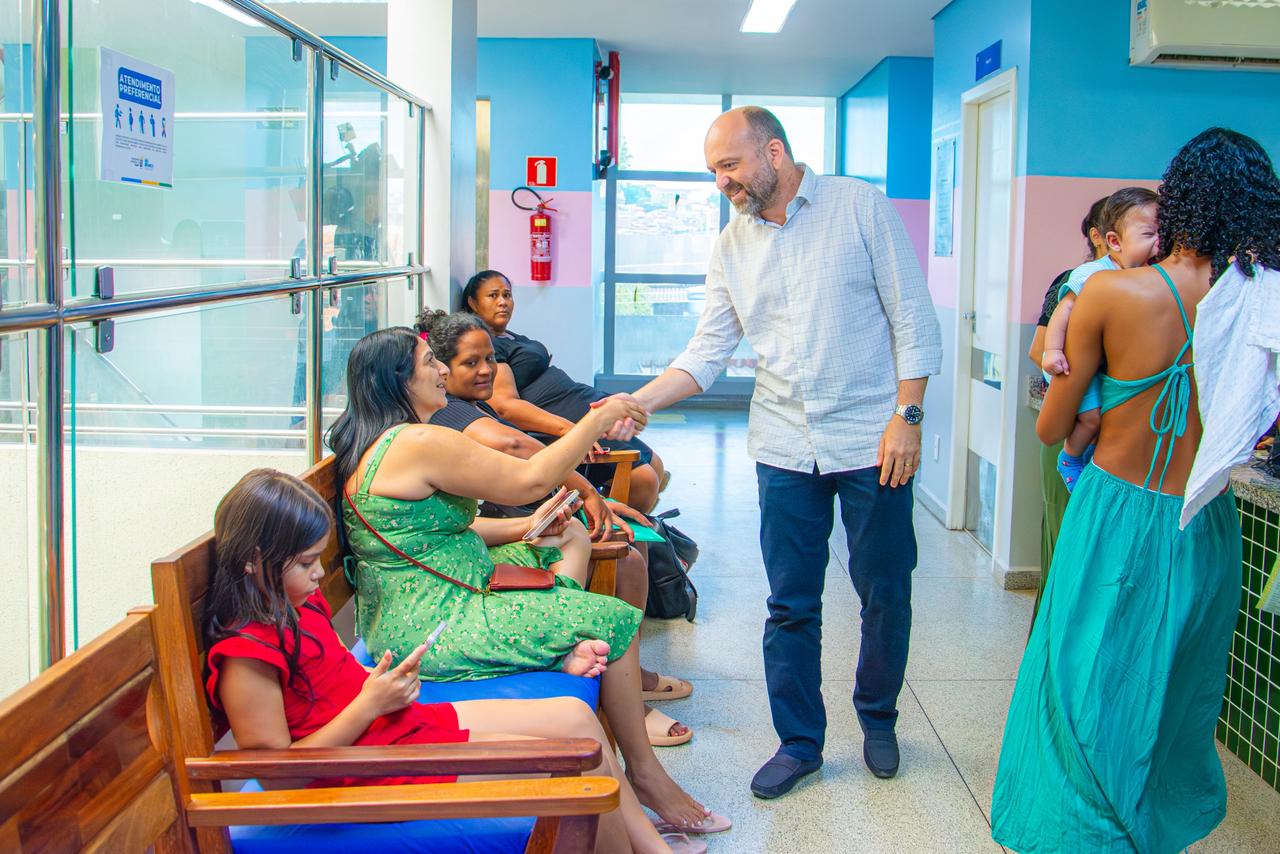
Like Raíssa, other pregnant women are referred to the Maternal-Infant Outpatient Clinic from Basic Health Units (UBSs). (Photo: Átilas Moura/Secom)
Similar to Raíssa, other pregnant women are referred to the Maternal-Infant Outpatient Clinic from Basic Health Units (UBSs) after the identification of risk factors. This is the case for Rosenir Rodrigues, 37, who is seven months pregnant and was referred from the Sobral unit.
“I discovered the pregnancy at three months, it was a shock. Since it wasn’t planned and happened close to my other pregnancy, everything became more delicate. Dr. Cássia is following everything very carefully: she orders exams, does ultrasounds, monitors growth, and listens to the baby’s heartbeat every month,” she said.
Pregnant women undergo risk classification according to the Ministry of Health protocol, which uses clinical criteria and colors ranging from green to red. (Photo: Átilas Moura/Secom)
The Maternal-Infant Outpatient Clinic functions as an important support resource for Primary Care and medium-complexity care in the municipality. Pregnant women undergo risk classification according to the Ministry of Health protocol, which uses clinical criteria and colors ranging from green to red.
Of the total number of appointments, 1,578 were in high-risk obstetrics, the central focus of the service. (Photo: Átilas Moura/Secom)
The service data demonstrates the effectiveness of the approach. Of the total appointments, 1,578 were in high-risk obstetrics, the central focus of the service. There were similarly 773 appointments in pelvic floor physiotherapy, 271 in pediatrics, 226 nursing appointments focused on intermediate risk, as well as 255 appointments in nutrition and 50 in psychology, ensuring comprehensive care and multidisciplinary action.
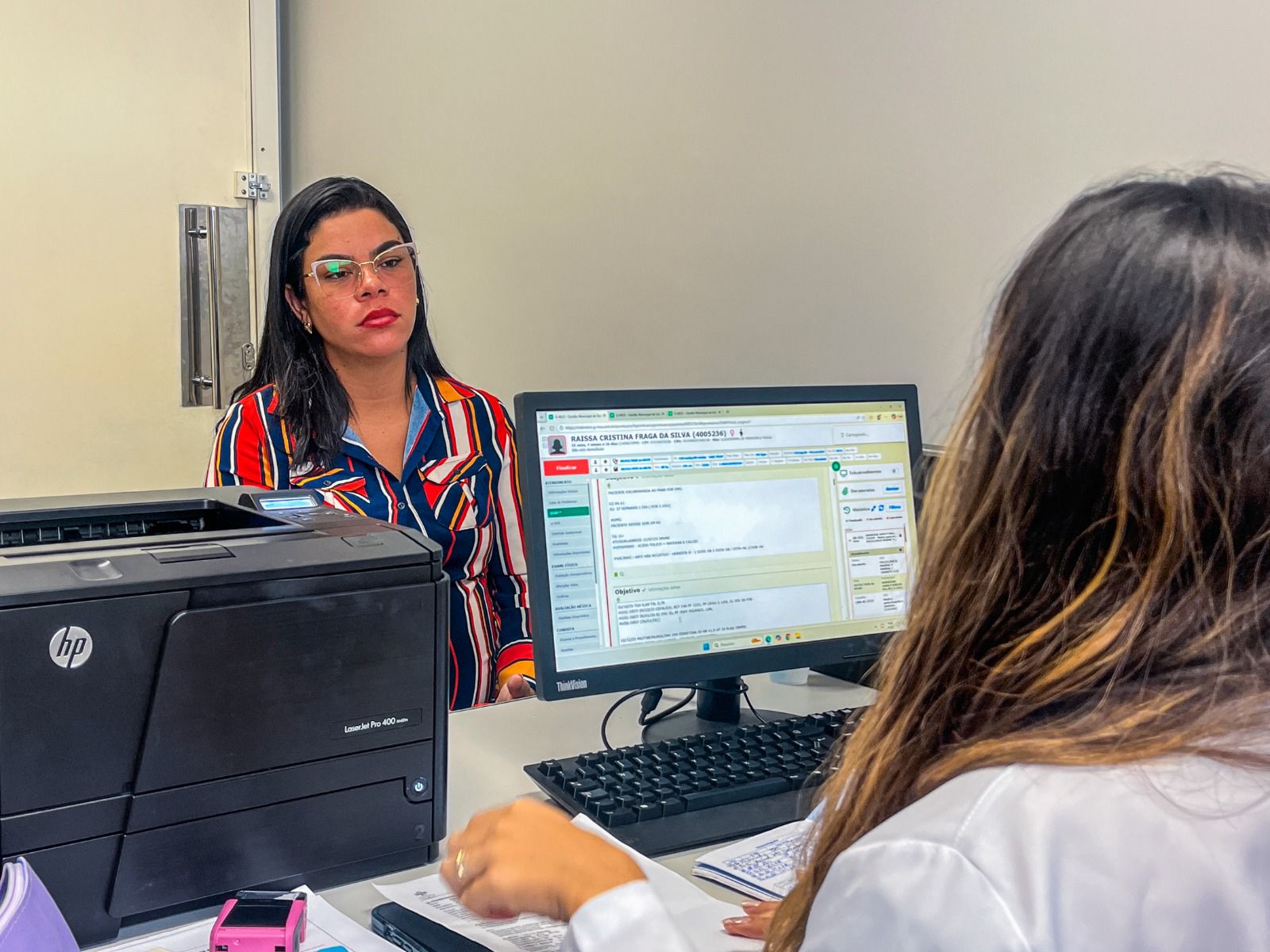
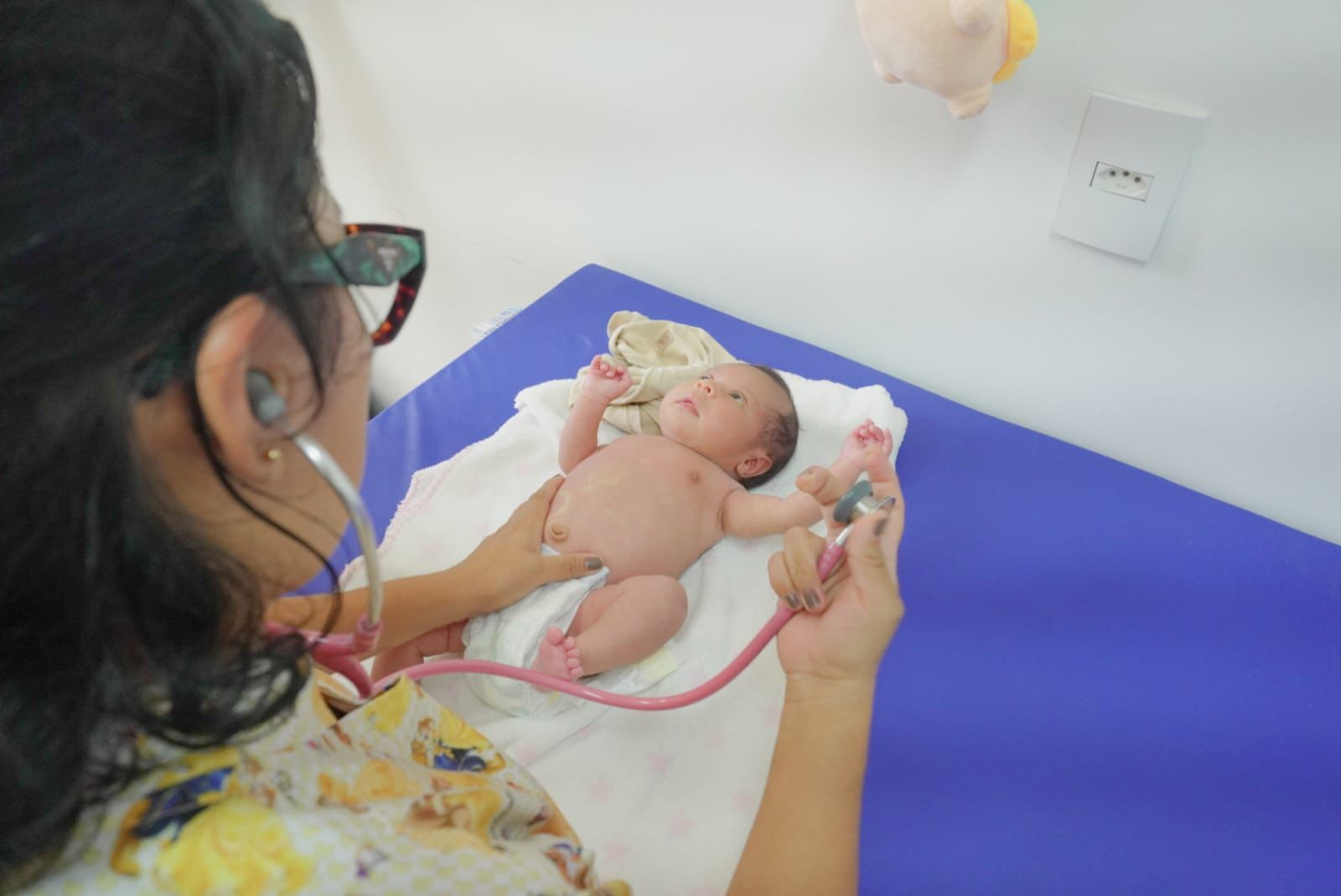
Clinical symptoms, such as edema and sleep changes, are checked, as well as vital signs. (Photo: Secom)
Nurse Naiane Dourado explains that care begins with a complete assessment of the pregnant woman. Clinical symptoms, such as edema and sleep changes, are checked, as well as vital signs, including blood pressure, heart rate, temperature, saturation, and blood glucose, especially in patients with diabetes.
The high-risk prenatal care provided at the outpatient clinic focuses on continuous monitoring, with periodic exams, nutritional guidance, encouragement of safe physical activity, and attention to mental health, allowing for early interventions and reduction of complications.
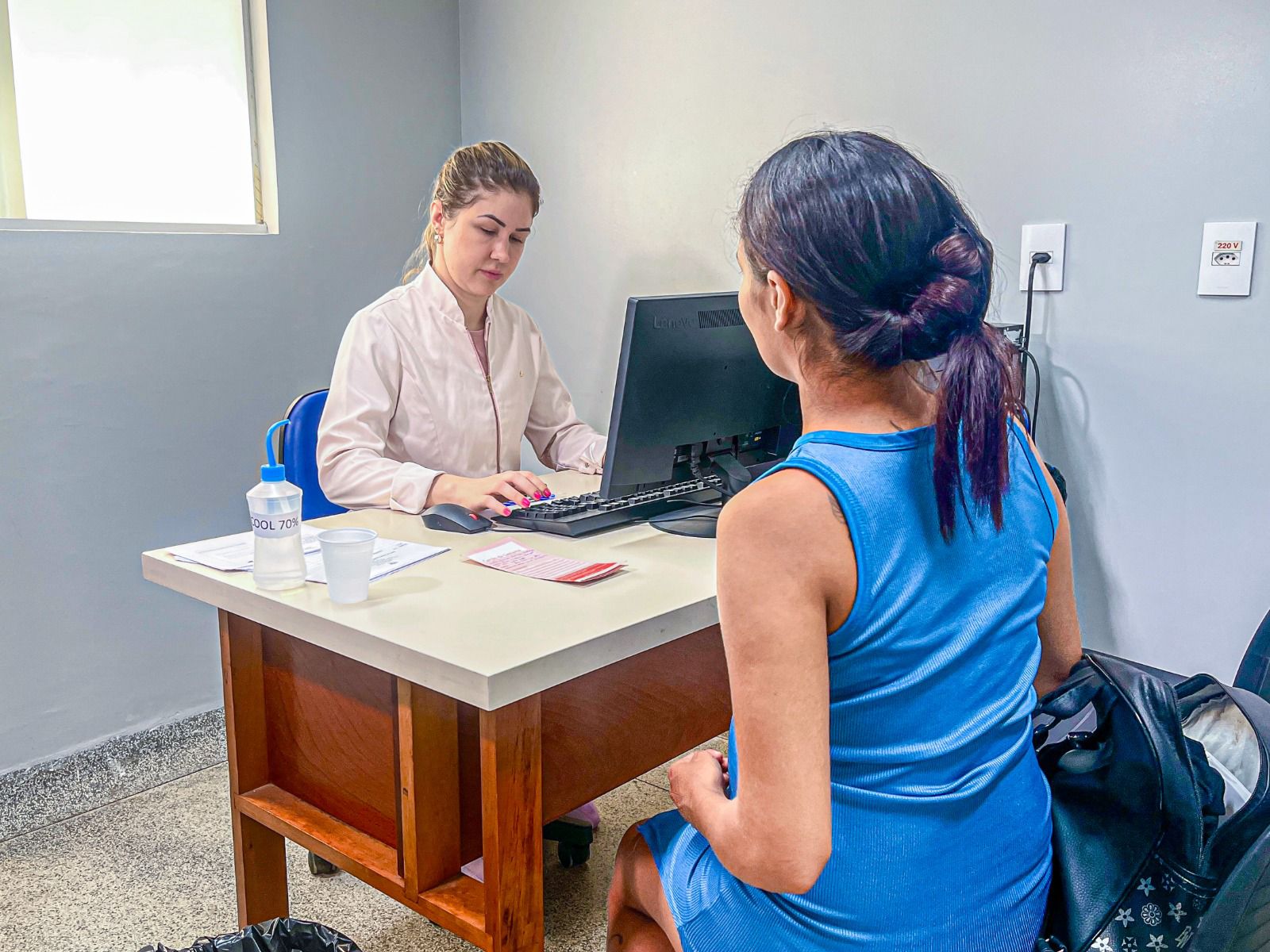
The obstetrician emphasizes that the service is essential to prevent clinical worsening during pregnancy. (Photo: Átilas Moura/Secom)
Obstetrician Kássia do Vale emphasizes that the service is essential to prevent clinical worsening during pregnancy. According to her, early identification of conditions such as diabetes and gestational hypertension, combined with the perform of a multidisciplinary team, contributes to safer outcomes for mothers and babies.
The outpatient clinic expands access to specialized prenatal care within the municipality and contributes to the prevention of avoidable hospitalizations and maternal and infant deaths. (Photo: Jefferson Carvalho/Secom)
According to parameters from the Ministry of Health, approximately 15% of pregnancies can progress to high-risk situations, reinforcing the need for integrated specialized services. The Maternal-Infant Outpatient Clinic expands access to specialized prenatal care within the municipality and contributes to the prevention of avoidable hospitalizations and maternal and infant deaths.
In 2025, the World Health Organization (WHO) warned that approximately 300,000 women die each year due to complications in pregnancy or childbirth, in addition to about 2 million babies who do not survive after 20 weeks of gestation or during birth. In Brazil, guaranteeing comprehensive care for pregnant women is included in guidelines monitored by the Federal Public Ministry (MPF), which works to strengthen and monitor public policies aimed at maternal and child health.
The Brazilian Federal Public Ministry (MPF) monitors guidelines for comprehensive care for pregnant women. (Photo: Átilas Moura/Secom)
Beyond the direct impact on care, the outpatient clinic strengthens the organization of the municipal health network, ensuring that pregnant women identified in UBSs as being at intermediate or high risk are referred in a timely manner for specialized care.