
Oil Price Surge Threatens Fast Fashion Affordability as Asian Textile Costs Climb
The global fast fashion sector is facing a potential price hike as rising oil costs squeeze producers across Asia. The volatility in petroleum markets is creating a ripple effect that threatens the low-cost model upon which the industry is built.
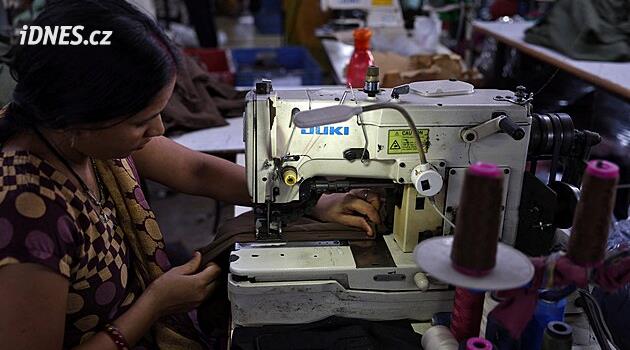
The primary driver of this pressure is the industry’s heavy reliance on synthetic fibers. Materials such as polyester and nylon, which are staples of fast fashion production, are derived from petroleum. As oil prices climb, the cost of these raw materials increases proportionally, directly inflating production expenses for textile factories in Asian manufacturing hubs.
This escalation in input costs is further compounded by rising energy and logistics expenses. Beyond the raw materials themselves, the cost of powering factories and transporting finished goods from Asia to global markets is tied to fuel prices. This dual pressure on both production and distribution is narrowing profit margins for manufacturers.
The situation underscores the inherent vulnerability of supply chains that remain deeply reliant on raw commodity prices. For a business model centered on high volume and low price points, these systemic cost increases are difficult to absorb.
Industry indicators suggest that these rising overheads may eventually be passed on to the conclude consumer. If production and shipping costs continue to rise, the era of ultra-cheap fast fashion may face a significant correction in pricing.
