
Rising tensions between the U.S. And Iran are significantly impacting global oil prices, with Brent crude surging to nearly $119 a barrel following Iran’s announcement of a new supreme leader. The appointment of Mostafa Hamaney, son of the late Ali Hamaney, triggered a 25% increase in Brent crude overnight, according to reports.
Price Increases Translate to Broad Inflation
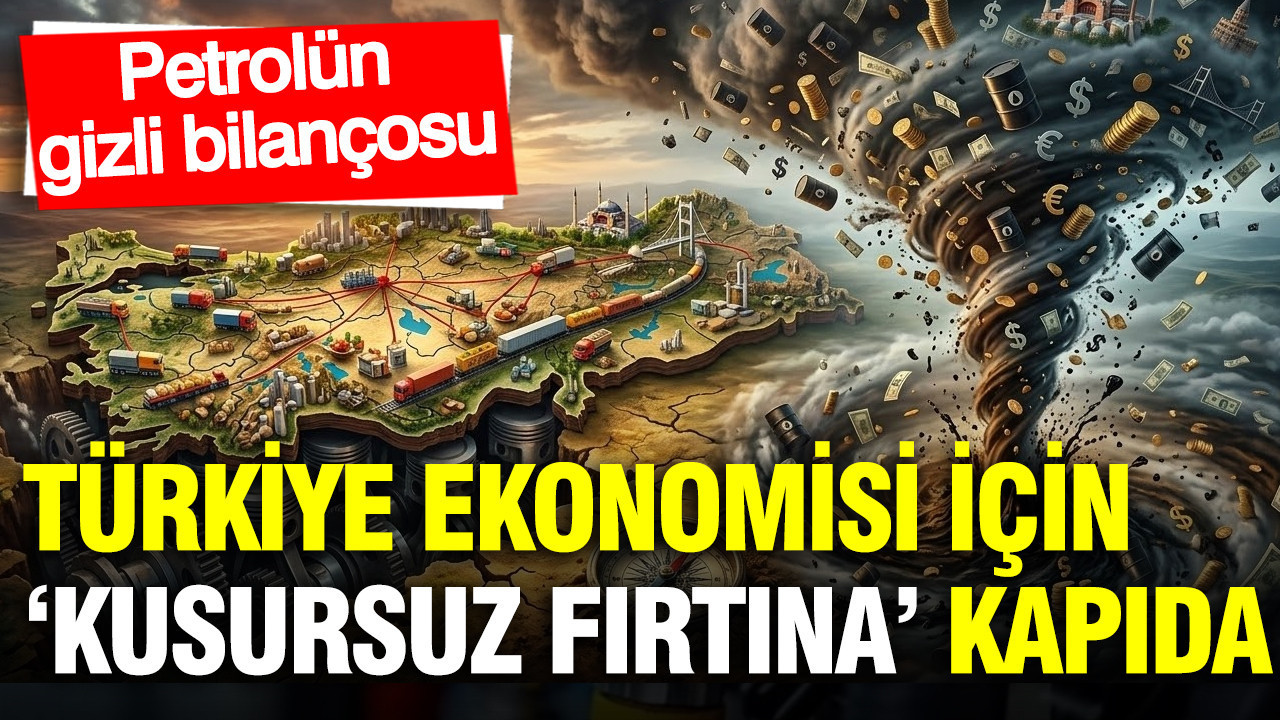
The surge past the $100 threshold is expected to drive up costs across the board – from food and construction to manufacturing and logistics – as higher fuel prices increase transportation expenses. World newspaper columnist Naki Bakir detailed the economic impact of rising oil prices on Turkey, noting that the country is over 90% reliant on oil imports.
Bakir stated that every increase in barrel price fuels inflation throughout the entire economic chain, from gasoline and food to logistics and industry. He added that approximately 85-90% of freight transport in Turkey is conducted by road, making diesel prices a critical component of the entire economic system.
50% Inflation Risk
According to Bakir, each 10% increase in oil prices adds one percentage point to annual inflation. “If the $50 increase seen over the past two months proves to be permanent, the additional burden on annual inflation from oil alone is expected to be 5 percentage points,” he said. He warned that continued prices above $100 a barrel could push inflation back above the 50% mark, and also negatively impact the country’s trade balance.
|
Increase Amount (Barrel/$) |
Impact on Annual Current Account |
|
+10 Dollar |
5.1 Billion Dollar Increase |
|
+30 Dollar (Since the beginning of the year) |
15 Billion Dollar Additional Deficit |
Price Controls Unlikely to Offset Increases, Broad Price Hikes Expected
Bakir indicated that the government’s utilize of the Mobile Eşel system to control pump prices may prove ineffective in the face of the relentless rise in oil prices. He stated that at levels between $110 and $120, tax reductions are no longer sufficient to offset price increases.
He noted that even with the elimination of the ÖTV, passing the increase directly on to consumers is becoming “impossible.” Bakir’s analysis suggests that the momentum in oil prices will translate into broad price increases for goods and services across the economy, from food and construction to manufacturing and logistics.
