
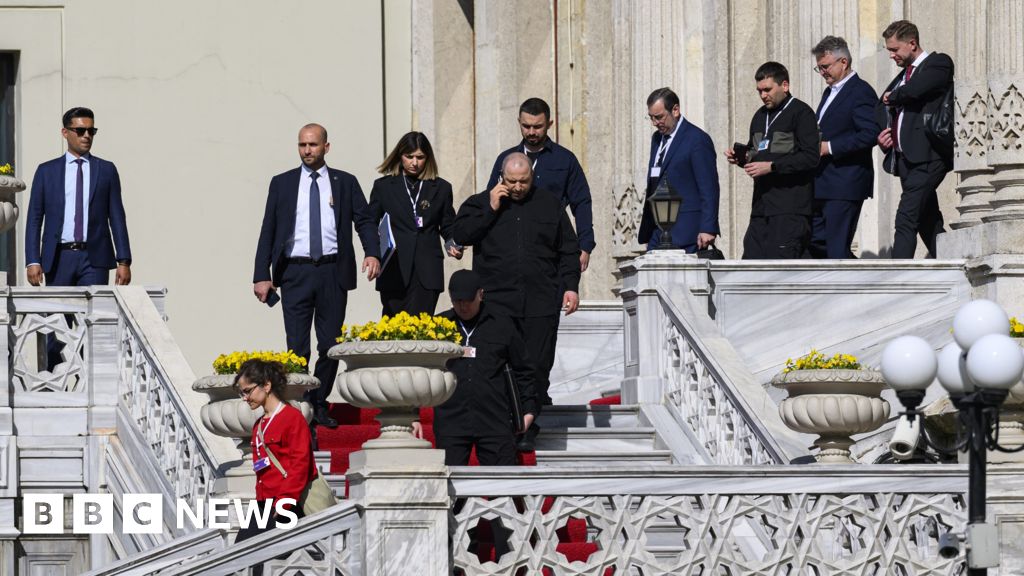
Are stalled negotiations prolonging the suffering in Ukraine? This article examines the future of peace talks between Russia and Ukraine, navigating the complex challenges and potential trends that will shape the conflict’s resolution. Gain valuable insights into the international actors, humanitarian dimensions, and possible breakthroughs that could define the path to peace, or further entrench the stalemate.Prepare to understand what the future holds for Russia-Ukraine peace talks and the implications for global stability.
The Future of Peace talks: navigating the Complexities of the Russia-Ukraine Conflict
The ongoing conflict between Russia and Ukraine continues to dominate global headlines, with peace talks remaining a critical, yet challenging, aspect of the situation. Recent developments, including the failure of the second round of direct talks to yield meaningful breakthroughs, highlight the deep-seated divisions and complexities involved. This article delves into the potential future trends related to these themes, offering insights into what we might expect in the coming months and years.
The Stalemate and Its Implications
The rejection of an unconditional ceasefire by Russia, a key demand from Ukraine and its allies, underscores the fundamental disagreements that persist. Russia’s preference for discussing “lasting peace” while maintaining tough demands, such as the withdrawal of Ukrainian troops from occupied regions and international recognition of annexed territories, indicates a strategy aimed at achieving its objectives through negotiation.This stalemate has significant implications for the duration and intensity of the conflict.
Real-life example: The Minsk agreements, which aimed to resolve the conflict in eastern Ukraine, ultimately failed due to a lack of commitment from all parties involved. This historical precedent serves as a cautionary tale, highlighting the importance of genuine willingness to compromise in any future peace negotiations.
The Role of International Actors
The involvement of international actors, such as the United States, the European Union, and Turkey, is crucial in shaping the trajectory of peace talks. The level of support provided to Ukraine, including military aid and economic sanctions against Russia, directly influences the balance of power at the negotiating table.The stance of key figures, such as US President Donald Trump, who has expressed interest in a fast settlement, can also impact the dynamics of the talks.
case study: The role of Turkey in hosting the peace talks and facilitating prisoner exchanges demonstrates the importance of neutral mediators in conflict resolution.However,the effectiveness of these efforts depends on the ability of the mediator to maintain the trust of all parties involved.
Potential Future Trends
- Prolonged Negotiations: given the current impasse,it is indeed likely that peace talks will be a protracted process,characterized by periods of intense negotiation interspersed with periods of heightened conflict.
- Conditional Ceasefires: Instead of an unconditional ceasefire, we may see the implementation of conditional ceasefires in specific areas, aimed at addressing immediate humanitarian concerns and building trust between the warring sides.
- Focus on Prisoner Exchanges: Prisoner exchanges will likely continue to be a key area of focus, as both sides seek to secure the release of their citizens.
- Increased International Pressure: The international community will likely intensify its efforts to pressure Russia to engage in meaningful negotiations, including the imposition of additional sanctions and diplomatic isolation.
Did you know? The Geneva Conventions set the standards of international law for the humanitarian treatment of individuals in a war.These conventions are crucial in guiding the treatment of prisoners of war and civilians during the Russia-Ukraine conflict.
The Humanitarian Dimension
The humanitarian impact of the conflict remains a significant concern. The exchange of sick and heavily wounded prisoners of war, and also the return of the bodies of fallen soldiers, are significant steps in mitigating the human cost of the war. However, the forceful removal of children to Russia, as alleged by Ukraine, highlights the need for greater attention to the protection of vulnerable populations.
Pro tip: Humanitarian organizations play a vital role in providing aid and support to those affected by the conflict.Consider donating to reputable organizations to help alleviate suffering and promote human rights.
The Path Forward
The path to peace in Ukraine is fraught with challenges, but it is not insurmountable. A combination of sustained diplomatic efforts, international pressure, and a genuine willingness to compromise from all parties involved is essential. While the road ahead may be long and arduous, the pursuit of peace remains a critical imperative.
Reader question: What role do you think the international community should play in facilitating peace talks? Share your thoughts in the comments below!
