
The road to the 2026 Winter Olympics remains fraught with political challenges as Russia appeals a ban on its skiers and snowboarders imposed by the International Ski Federation (FIS). Following a successful challenge by Russian luge athletes, the FIS is now compelled to allow neutral Russian participation under specific conditions, a ruling that has sparked debate across the sporting world. With qualification deadlines looming and varying stances among international federations, the final composition of teams at the Milan-Cortina d’Ampezzo Games-and the participation of athletes from Belarus-remains highly uncertain.
Russia has appealed a decision by the International Ski Federation (FIS) that prevents its skiers and snowboarders from competing in international events. Previously, Russian athletes in the sport of luge successfully challenged a similar ban at the Court of Arbitration for Sport (CAS). According to the arbitration ruling, the FIS must allow them to participate as neutral athletes, provided they meet specific conditions.
However, it remains uncertain how many Russian and Belarusian athletes will qualify for the 2026 Winter Olympics, as the FIS set a qualification deadline of January 18.
The International Olympic Committee (IOC) has established the same participation conditions for Russian and Belarusian athletes at the 2026 Winter Olympics as were in place at the 2024 Paris Olympics. Individual athletes who do not support the war in Ukraine and have no affiliation with the military can compete under a neutral flag.
However, qualification remains a hurdle for many, as some international sports federations are hesitant to allow participation. The International Biathlon Union, for example, continues to maintain a blanket ban on Russian and Belarusian athletes, and some countries may face difficulties granting entry visas. Russian Sports Minister Mikhail Degtyarev anticipates that no more than 20 Russian athletes will participate in the Winter Olympics.
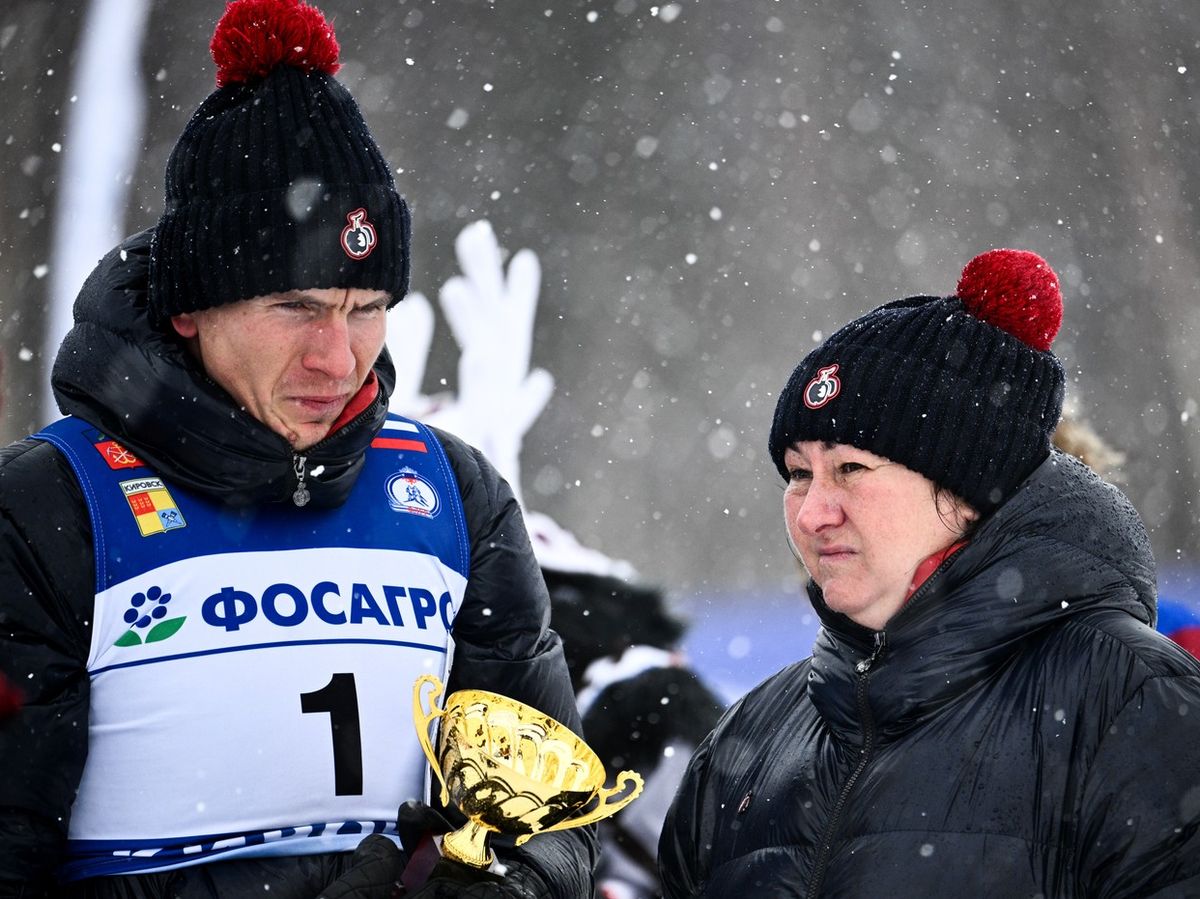
The participation of Russian and Belarusian athletes in the 2026 Winter Olympics remains uncertain following appeals and ongoing restrictions imposed by international sports federations. Russia has challenged the International Ski Federation’s (FIS) decision to bar its skiers and snowboarders from competition, building on a recent victory for Russian luge athletes at the Court of Arbitration for Sport (CAS).
According to the CAS ruling, the FIS must permit Russian athletes to compete as neutrals, provided they meet specific criteria. However, qualification deadlines—set by the FIS for January 18—and potential visa issues pose significant obstacles. The International Olympic Committee (IOC) has aligned its stance with the conditions established for the 2024 Paris Olympics, allowing individual athletes who do not support the war in Ukraine and have no ties to the military to participate under a neutral flag.
Despite the IOC’s framework, several federations are maintaining stricter policies. The International Biathlon Union, for instance, continues to enforce a complete ban on athletes from Russia and Belarus. Russian Sports Minister Mikhail Degtyarev estimates that a maximum of 20 Russian athletes will likely qualify for the Games. This situation highlights the complex geopolitical factors influencing international sports and the challenges athletes face in navigating these restrictions.
These developments underscore the ongoing impact of the conflict in Ukraine on the global sporting landscape and raise questions about fairness and inclusivity in international competition.
