

A new initiative to deploy sailing cargo ships is targeting the growing crisis of underwater noise pollution, which threatens the survival of marine wildlife.
For many marine species, sound is the primary tool for navigating the depths, locating prey, and communicating with others. However, the constant drone of traditional motorized shipping has created a form of “acoustic smog” that disrupts these essential biological functions. By integrating wind-powered propulsion, new cargo vessel designs aim to significantly reduce the acoustic footprint left by commercial shipping.
The Impact of Underwater Noise
The biological toll of noise pollution is particularly severe for marine mammals. Because they rely heavily on echolocation and vocalizations, the roar of ship engines and propellers can mask critical signals, effectively blinding animals that “see” through sound.
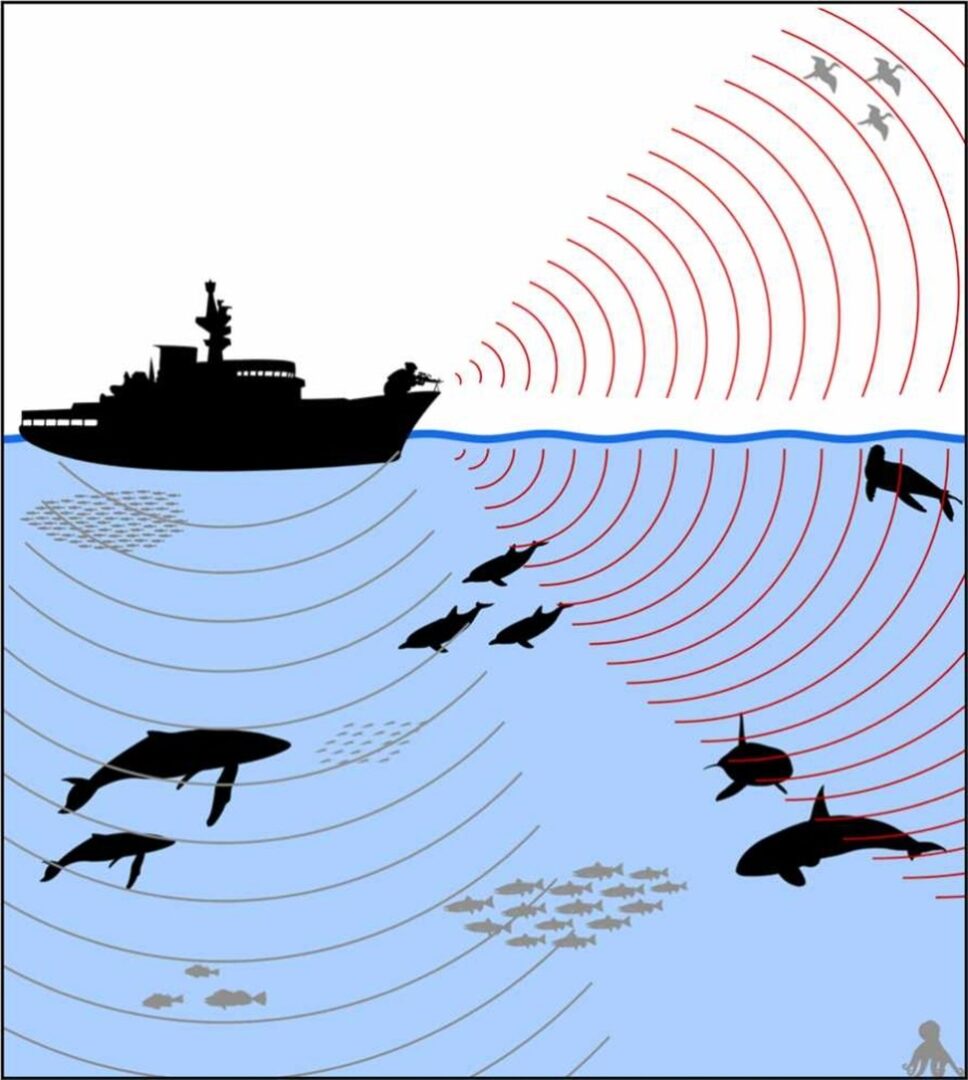
This interference can lead to the separation of mothers and calves, the failure of mating calls to reach potential partners, and an inability to detect predators or navigate accurately. The resulting stress and disorientation can have long-term consequences for the stability of marine populations.
Wind Power as an Acoustic Solution
The transition toward sailing cargo ships is not merely an effort to reduce carbon emissions, but a strategic move to quiet the oceans. By harnessing wind energy for propulsion, these vessels can minimize their reliance on heavy engines, thereby reducing the amount of low-frequency noise radiated into the water.

This shift toward “silent” shipping represents a holistic approach to maritime sustainability, recognizing that the health of the ocean depends on more than just the air quality above the surface.
The development of these vessels underscores a growing global recognition that the maritime industry must evolve to protect the biodiversity of the seas. As shipping lanes continue to expand, the move toward quieter, wind-assisted transport could prove vital in preserving the acoustic integrity of marine habitats.
