

Authorities are reactivating measures in schools and closed spaces due to the increase in cases.
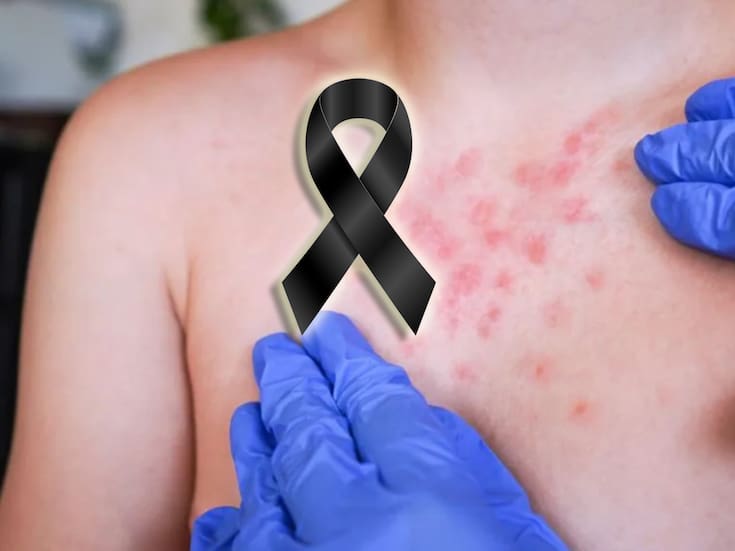
Mexico is experiencing a resurgence of measles, prompting state authorities to reinstate health protocols in schools and enclosed spaces. This comes after a decade with no reported cases, but a recent outbreak has now been confirmed in 31 of the country’s 32 states.
While vaccination remains the primary preventative strategy, some states have decided to return to mandatory mask-wearing in educational settings and crowded areas to reduce transmission. This move underscores the importance of proactive public health measures in controlling infectious diseases.
According to official statements and epidemiological surveillance reports, the measures primarily aim to protect minors and individuals who are unvaccinated or have incomplete vaccination schedules.
Which states require masks due to measles in 2026?
State of Mexico
Beginning on February 9, 2026, the State of Mexico government decreed mandatory mask-wearing in:
- Public and private schools
- Teaching and administrative staff
- Students at all levels
Additional measures:
- Health screenings at entrances
- Visible symptom checks
- Temperature checks
The measure focuses on preventing outbreaks in schools with high population density.
Jalisco
The State Secretary of Health established a mandatory mask policy for 30 days in municipalities of the Guadalajara metropolitan area:
- Guadalajara
- Zapopan
- Tlaquepaque
- Tonalá
- El Salto
- Tlajomulco
- Ixtlahuacán de los Membrillos
The policy primarily applies to basic and high school students.
Which states are on alert for measles?
While not all have decreed a general mandate, several entities are maintaining active surveillance:
Nuevo León
- Strict recommendation of masks in areas with high mobility
- Suggested use for people with respiratory symptoms
- Special attention in Monterrey and the metropolitan area
Chihuahua and Chiapas
- Sanitary cordons in areas with confirmed cases
- Broad recommendation of masks in enclosed spaces
- Reinforced epidemiological surveillance
Why have masks returned due to measles?
Measles is a highly contagious disease. It’s transmitted through:
- Saliva droplets
- Aerosols in the air
According to the federal Secretary of Health, the virus can remain active for up to two hours in the environment after an infected person leaves a location. This highlights the importance of understanding how easily the virus spreads.
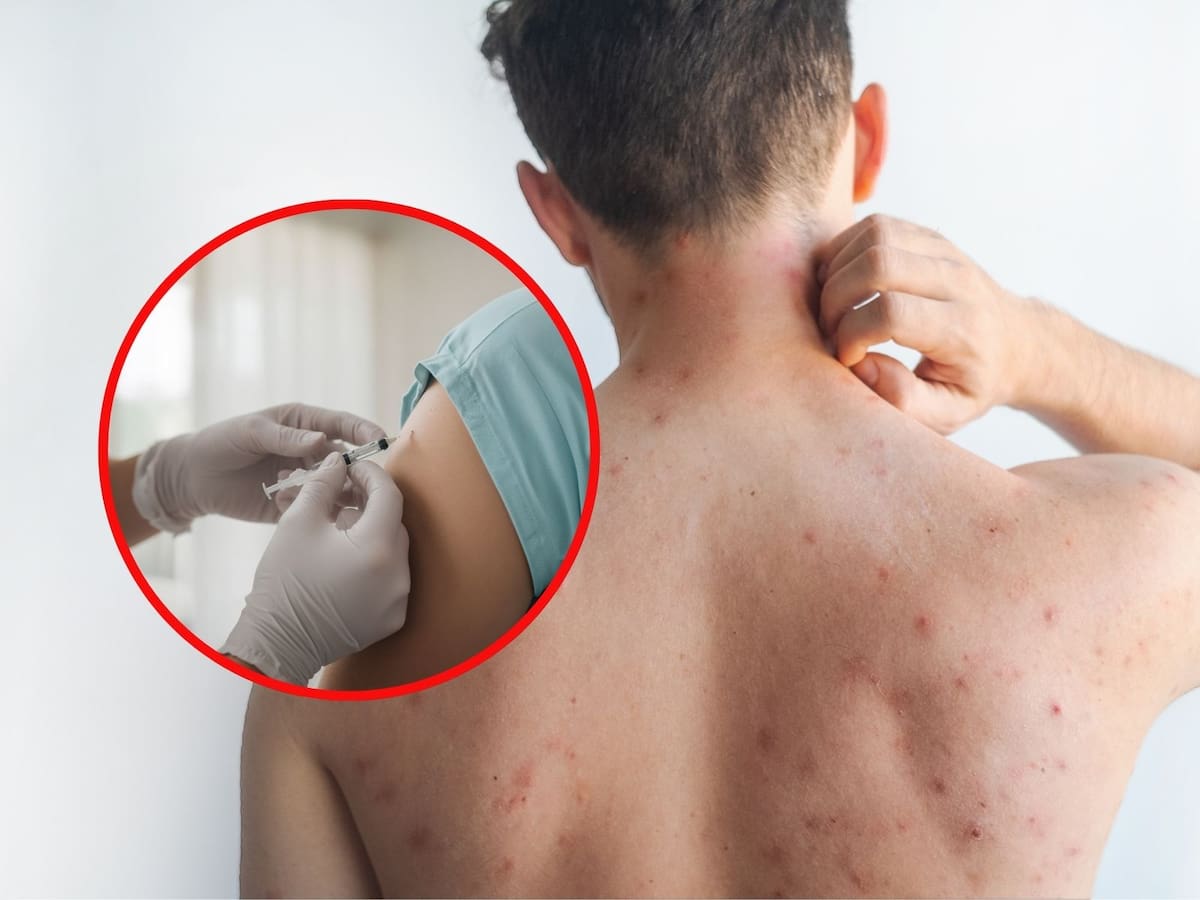
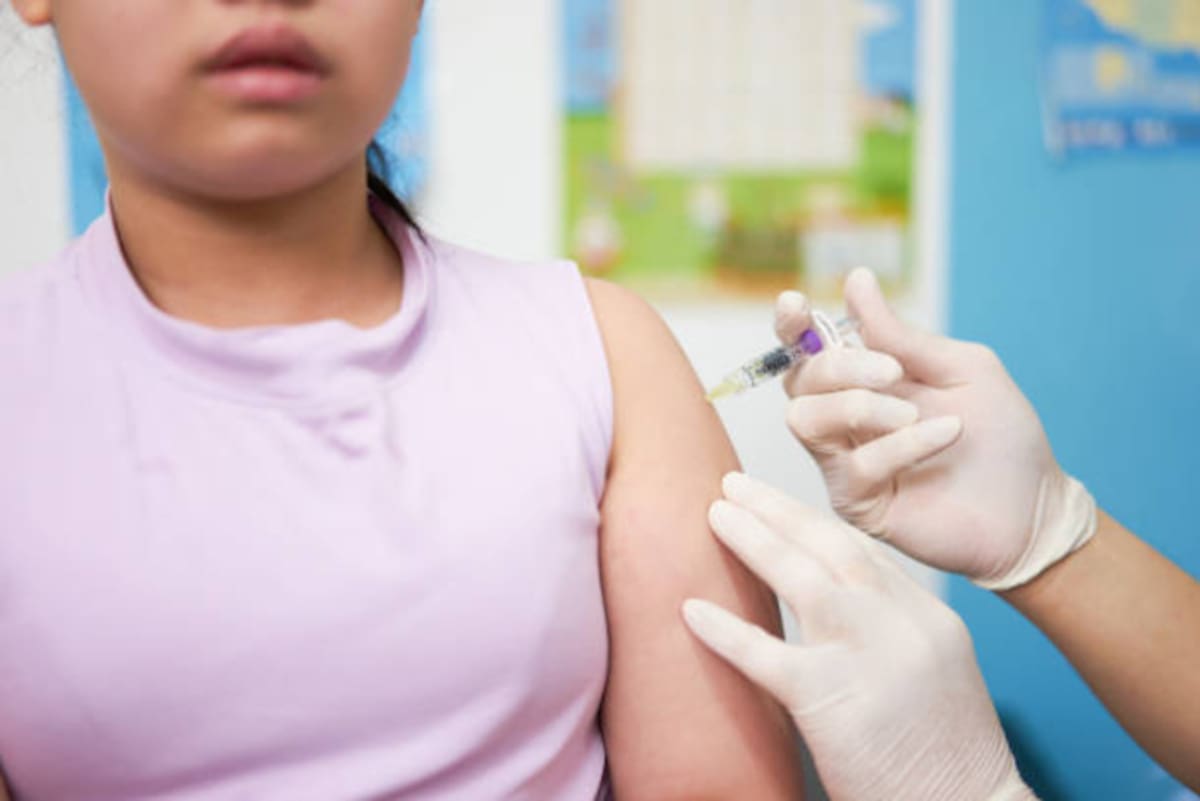
Masks are considered a complementary measure, not a substitute for vaccination. The most effective protection remains completing the vaccination schedule.
Measles symptoms: what to watch for
If you live in an area with an outbreak or preventative measures, pay attention to:
- High fever
- Cough and runny nose
- Red eyes
- Rash or red spots on the skin
- Start on the face
- Spread to the body
If you experience these symptoms, health authorities recommend seeking medical attention and avoiding self-medication.
How to prevent infection at home and school?
1. Check your vaccination card
- First dose: 12 months
- Booster: 18 months or 6 years (depending on the schedule)
2. Wear a mask in areas with outbreaks
- KN95 masks are preferred in enclosed spaces
- Public transportation and schools
3. Do not send sick children to school
- Isolate suspicious symptoms
- Consult a healthcare professional
You may be interested in: Students at Unison receive booster dose against measles amid rising infections
Key takeaways for the public
- Masks have returned in some states due to increased cases.
- Vaccination remains the primary protection.
- Measures are focused on schools and urban areas.
- Not all states have a mandate, but are on alert.
Health authorities emphasize that prevention depends on completing the vaccination schedule and early detection of symptoms.
