
Southeast Asia Scam Compounds: Thousands Forced into Labor, Billions Lost to Fraud
Authorities are grappling with a massive surge in human trafficking and financial fraud linked to sprawling scam compounds across Southeast Asia, where an estimated 220,000 people are being exploited and billions of dollars stolen from victims worldwide.
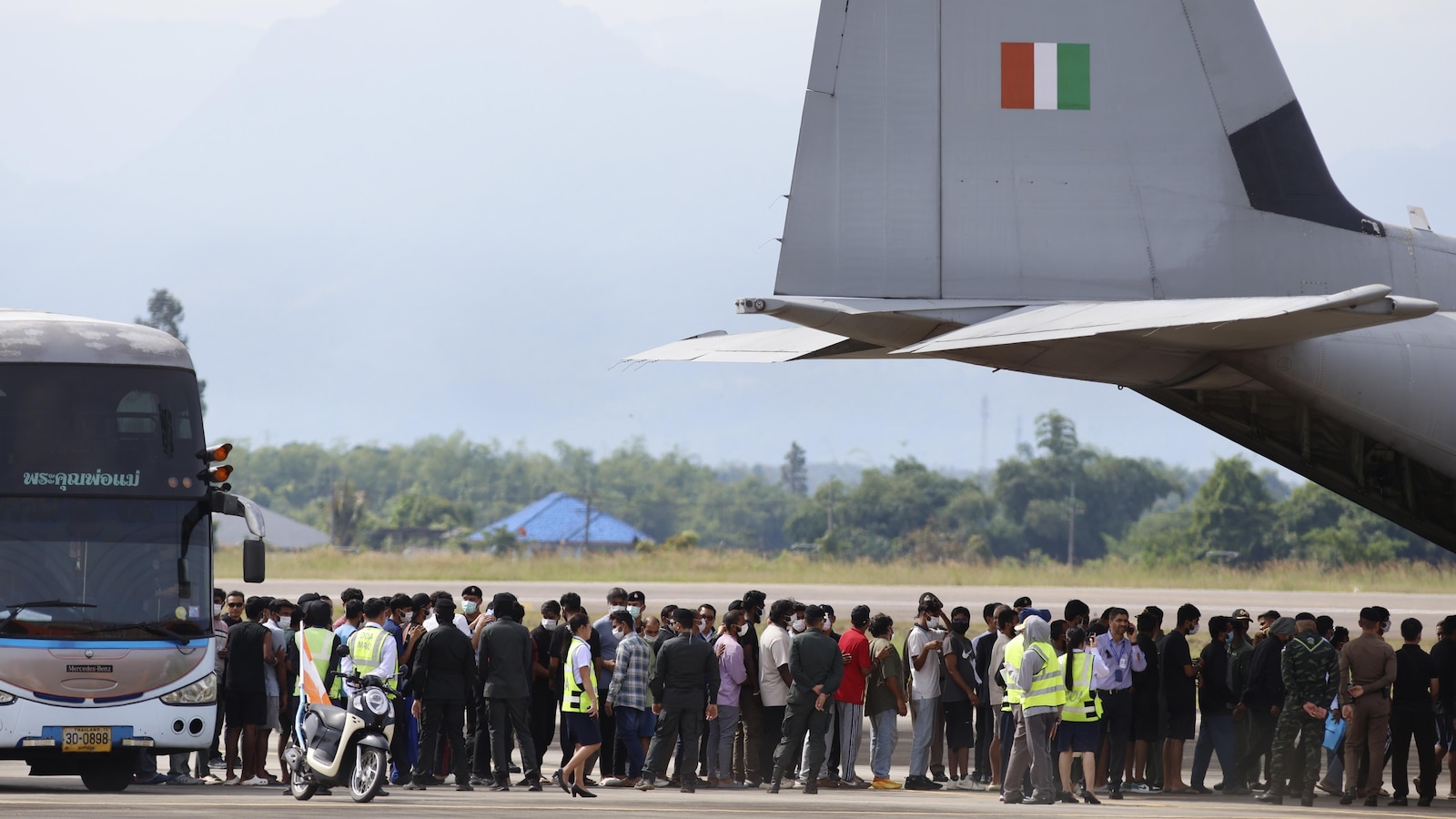
Recent crackdowns, including a demolition of the notorious KK Park complex on the Thai-Myanmar border last month, have led to the repatriation of thousands of laborers – including large groups from India flown home yesterday aboard Indian air force transport planes – but represent only a fraction of the problem. The compounds, often disguised as casinos or legitimate businesses, lure workers with promises of high salaries, only to confiscate passports and subject them to violence and forced participation in online scams. This exploitation highlights the growing threat of transnational organized crime and its devastating impact on vulnerable populations.
Scammers are increasingly sophisticated, utilizing artificial intelligence-powered translation tools to target individuals globally with schemes ranging from cryptocurrency investments to bogus task assignments. U.S. prosecutors recently indicted Chen Zhi, a Chinese-Cambodian businessman, alleging his organization defrauded 250 Americans out of millions, with one victim losing $400,000 in cryptocurrency. The U.S. Treasury Department estimates Americans alone have lost at least $10 billion to these Southeast Asia-based scams in 2024. The United Nations Office on Drugs and Crime has documented over 340 casinos operating in the region, many serving as hubs for these criminal activities; learn more about the UNODC’s work on transnational organized crime.
Activists emphasize that simply rescuing victims is insufficient. “If we only rescue the victims, and don’t arrest anybody, especially the Chinese mafia and those transnational syndicates, then there will be no point,” said Jay Kritiya, coordinator of the Civil Society Network for Victim Assistance in Human Trafficking. “They can get more victims… they can scam anytime.” Efforts to dismantle these networks are complicated by the involvement of local elites and the compounds’ often remote locations, as detailed in a recent report from the Office of the United Nations High Commissioner for Human Rights.
Authorities are continuing to investigate and coordinate with international partners to identify and prosecute the masterminds behind these operations, while simultaneously working to provide support and repatriation assistance to those who have been freed from forced labor.
