
Scientists have discovered that a common species of moss can survive exposure to the harsh conditions of outer space for nine months and still return viable to Earth.
In a study published in iScience, researchers from Hokkaido University in Japan exposed Physcomitrium patens moss spores to the exterior of the International Space Station without any protective shielding. The samples were subjected to extreme ultraviolet radiation, the vacuum of space, and severe temperature fluctuations over the nine-month period.
Despite expectations that nearly all spores would perish under such extreme stress, more than 80% remained intact and viable upon return to Earth. These spores were not only able to germinate but went on to develop into normal, healthy moss plants.
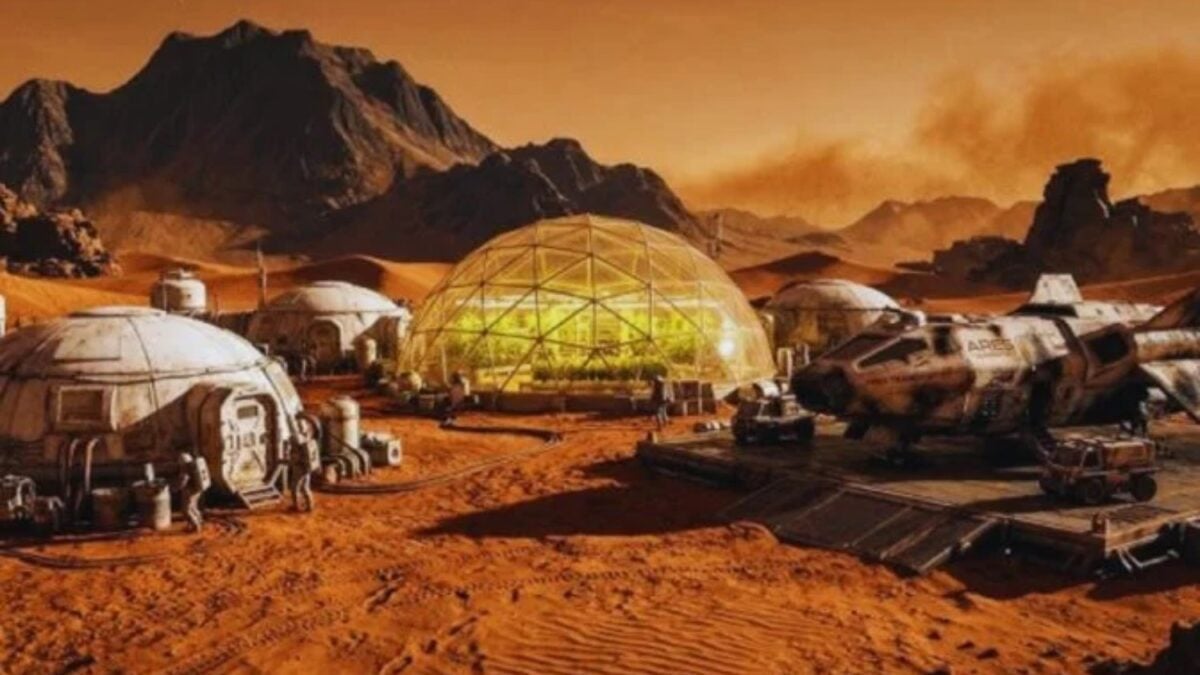
The findings suggest that even simple terrestrial life forms possess remarkable resilience to extraterrestrial environments, offering new insights for astrobiology and the potential to establish biological systems beyond Earth.
According to the study’s lead researcher, Tomomichi Fujita, the results represent a significant step toward understanding how life might endure on other celestial bodies, particularly as plans advance for human missions to the Moon and Mars.
The moss’s natural ability to thrive in extreme terrestrial habitats—from frozen tundras to volcanic regions—made it a strong candidate for testing survival in space. Its reproductive structures, known as sporophytes, proved especially durable under conditions far more severe than any found on Earth.
This research adds to a growing body of knowledge about extremophiles, following earlier experiments that sent lichens into space in 2005 and more recent studies showing cyanobacteria and fungi can withstand extraterrestrial conditions for months.
The survival of moss spores in open space supports the idea that the building blocks of life could potentially endure interplanetary travel, informing future efforts to create sustainable ecosystems for long-duration space exploration.
