
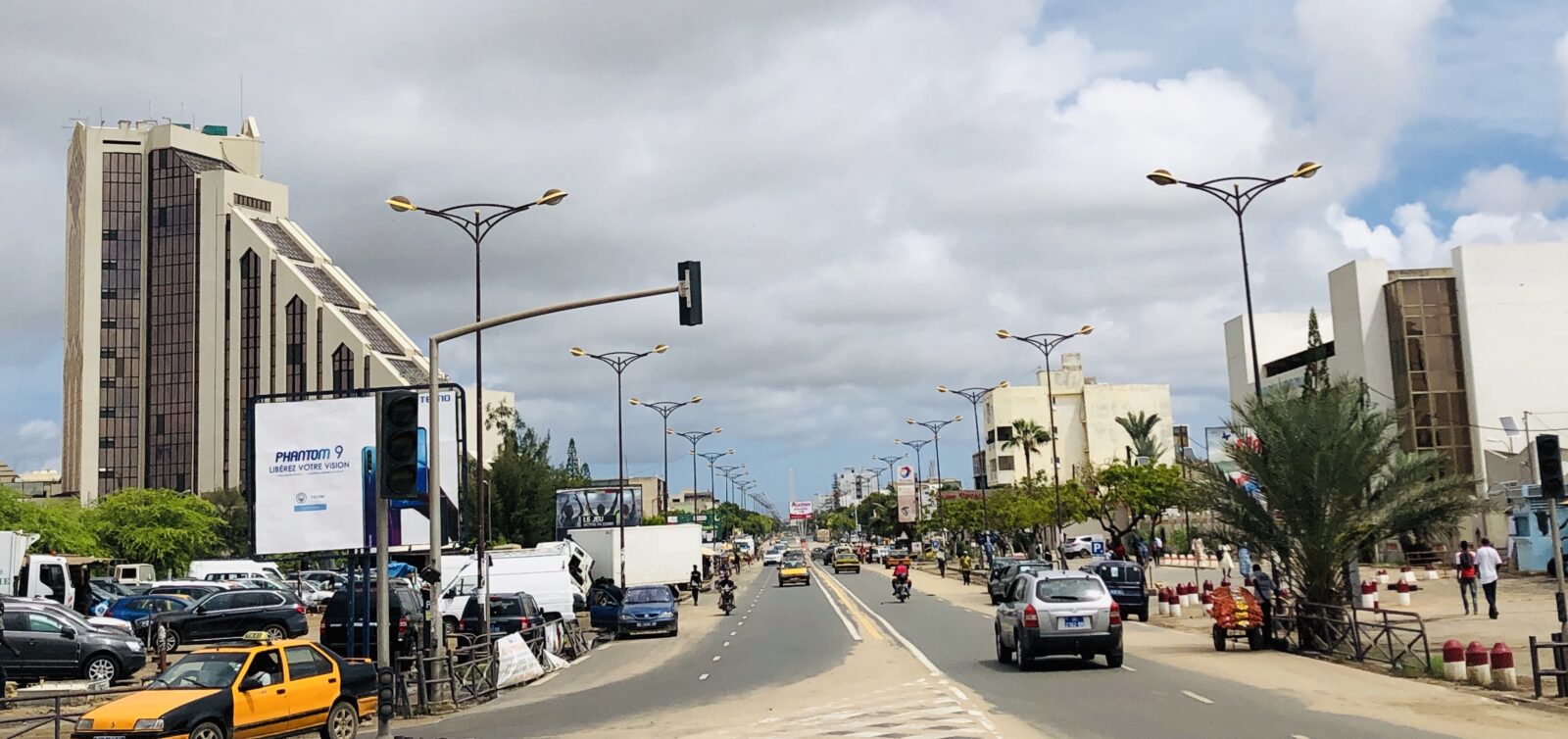
Dakar, Senegal – Several mayors across Senegal are initiating a widespread effort to rename streets, avenues, and boulevards, honoring prominent historical, cultural, and political figures from their respective regions. The move, gaining momentum in municipalities throughout the country, represents a growing effort to reclaim local identity and reshape urban landscapes.
In Dakar, particularly in the Plateau district, a series of street renamings have been approved as part of a broader initiative to decolonize public spaces and celebrate Senegalese icons. On September 13, 2025, the Dakar Plateau Municipal Council unanimously approved the changes, aiming to commemorate figures central to the nation’s history and cultural identity.
Rue Jules Ferry will now be known as Rue Serigne Mountakha Mbacké, and Rue Ferdinand Foch has been renamed Rue Jean Alfred Diallo. Other changes include Rue Joseph Joffre becoming Rue Ibra Binta Guèye Mbengue, and Rue Félix Faure being renamed Rue Serigne Babacar Mansour Sy. Rue Albert Calmette will now be Rue Ousmane Tanor Dieng, while Rue François Henry Laperrine will become Rue Momar Ngom. Rue Sadi Carnot and Avenue Jean Jaurès will be known as Imam Matar Sylla Street and Thierno Seydou Nourou Tall Avenue, respectively, and Boulevard de la Libération will honor Abdoulaye Wade.
Alioune Ndoye explained that the renamings are intended to deeply root urban spaces in the recognition of national heroes and role models. “This act translates a profound desire to anchor our urban spaces in the recognition of our heroes and models, so that every step in Dakar Plateau becomes a living reminder of our shared values and our collective commitment to a more just and dignified future,” Ndoye said. He added that the changes honor the richness of Senegal’s cultural, historical, and spiritual heritage.
A New Era
According to Ndoye, the streets, once named after figures from the colonial era, now bear the names of individuals embodying values, commitment, and inspiration. “We are celebrating both the great figures who have left a lasting mark on our people, such as General Jean Alfred Diallo, Chief of Staff of our army in the early years of our young Republic, Ibra Binta Guèye Mbengue, a notable Lebou figure who received Serigne Touba upon his departure from exile in Thiedème, and Imam Matar Sylla, the greatest religious leader of his time on the Cape Verde peninsula, imam ratib and cadi for 47 years, who built, with his own resources, the first mosque in Dakar (on Rue Moussé Diop), as well as the figures who inspire generations today and solidify our cultural identity,” the mayor stated.
Djiby Diakhaté, a sociologist and researcher at Cheikh Anta Diop University (UCAD) in Dakar, believes the practice is beneficial, contributing to a reconciliation between the population and their traditions, customs, and history. “These spaces previously reflected colonial identities more than our realities,” Diakhaté said. He argues that the decision by Dakar Plateau authorities is a reclaiming of space with cultural and moral significance, and will reawaken a sense of belonging among residents. “If we want to develop our territories, we need the involvement of the population. To do this, the population must become the true owners of these spaces. By proceeding in this way, we have given the population more strength and recognition. And from that moment on, they can actively participate in local development policies in order to participate in the quantitative and qualitative transformation of their locality,” he explained.
Proud of Their Homelands
The shift represents a break from traditional naming conventions, and officials hope it will spur a new dynamic of grassroots development. Successful implementation, they say, requires the involvement of all stakeholders, including local community organizations and traditional chiefs.
Diakhaté suggests the local authorities’ approach to renaming streets aligns with the territorialization of public policies, leading to greater public involvement and ownership. He believes similar initiatives should be replicated elsewhere. “This is a way of giving more content to decentralization because, in reality, development will be carried out at the local level, not just in Dakar. This will allow the inhabitants of these inland areas of the country to be proud of their homelands and feel the need to stay and work for the development of these spaces. This will inevitably strengthen the link between the actor and the land,” the sociologist said, emphasizing the importance of involving all actors in these processes, particularly the population, taking into account their expressions of need through exchanges and consultations.
