
Sepsis, a life-threatening condition triggered by the body’s overwhelming response to infection, affects millions globally each year and remains a important cause of hospital-related deaths [[1]]. Often mistaken for other illnesses, early diagnosis is critical, yet frequently delayed. Now, a collaborative research project led by experts in Spain is aiming to change that, utilizing advanced genomic sequencing to identify biomarkers for faster detection and pave the way for more targeted therapies.
Researchers Aim to Transform Sepsis Diagnosis and Treatment in New Biomedical Project
S. Calleja / ICAL
Sepsis, a leading cause of hospital-related deaths worldwide, remains largely unknown to the public despite its mortality rate being comparable to that of heart attack or breast cancer. This “silent pandemic” is often diagnosed late and lacks targeted treatment options. Now, a team of medical professionals in Castilla y León, Spain, is launching a research project with the goal of changing this reality by enabling earlier diagnosis and paving the way for new therapies.
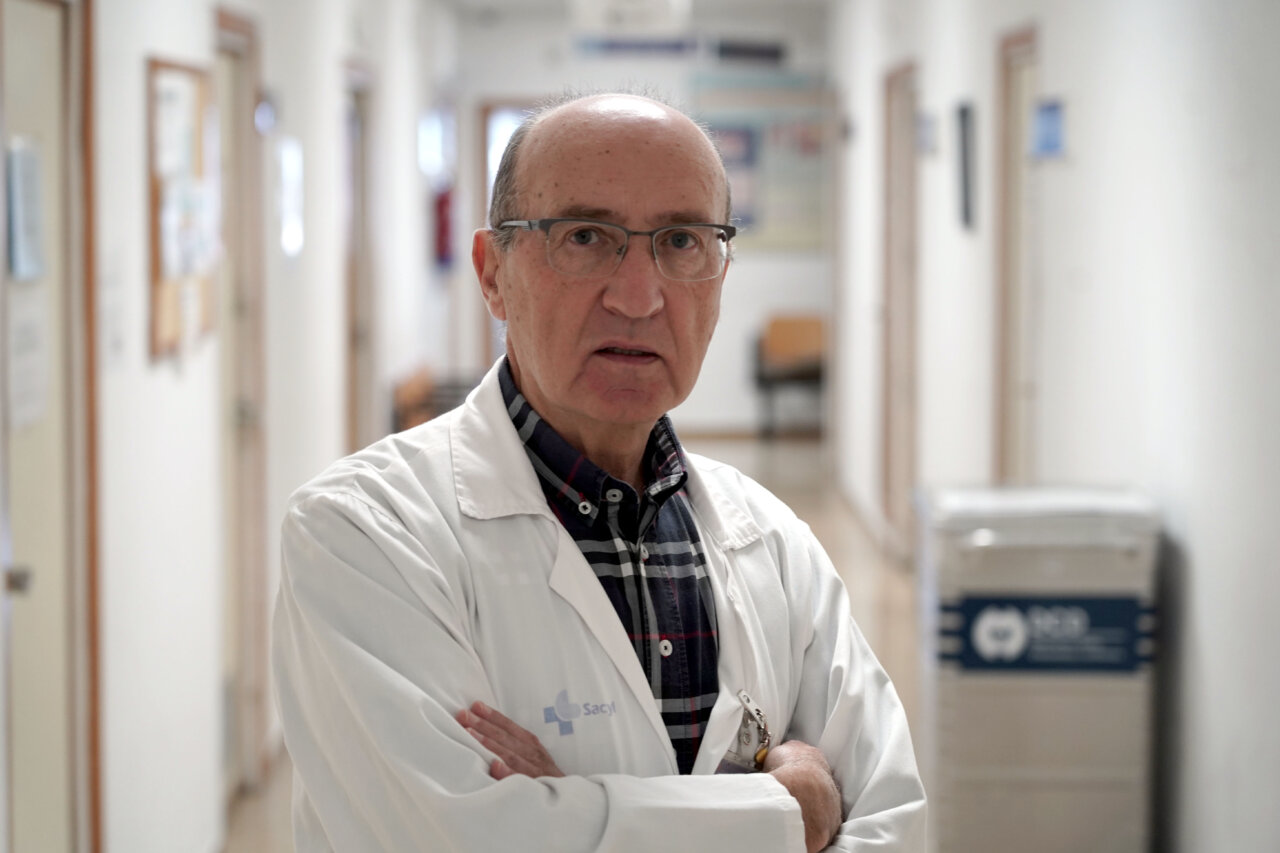
The initiative, led by experts at the University Hospital and University of Valladolid within the BioCritic group, brings together physicians from across Spain and Europe, alongside biologists and engineers. According to project lead Eduardo Tamayo, Professor of Anesthesiology and Critical Care at the University of Valladolid and Research Coordinator at the University Hospital of Valladolid, the collaborative effort aims to deepen understanding of sepsis and its underlying mechanisms.
Funded by the Carlos III Health Institute, the research applies a precision medicine approach to improve early sepsis diagnosis and identify new treatment avenues targeting the disease’s biological mechanisms. The study focuses on single-cell sequencing of circulating endothelial cells in post-surgical patients with intra-abdominal infection-related sepsis, with the goal of pinpointing early diagnostic biomarkers and potential therapeutic targets. This research is particularly important as sepsis can quickly escalate and lead to organ failure if not addressed promptly.
Despite advances in intensive care, sepsis mortality rates remain high. Tamayo explained that this is largely due to the lack of molecular tools for early and reliable diagnosis, and the absence of treatments specifically designed to counter the physiological mechanisms causing organ damage. Currently, sepsis is typically diagnosed only after a patient experiences organ failure – a point at which intervention is often delayed.
Unlike conditions like heart attack or kidney failure, there isn’t a specific biomarker to clearly distinguish sepsis from other severe inflammatory responses, such as systemic inflammatory response syndrome (SIRS). This diagnostic delay has significant consequences, including a poorer prognosis, increased mortality, longer hospital stays, more intensive care admissions, and substantially higher healthcare costs, according to the specialist, who also serves as Quality, Research and Innovation Coordinator at the Hospital.
The difficulty in accurately diagnosing sepsis also contributes to the overuse of antibiotics. When sepsis is suspected, many patients receive broad-spectrum antibiotics even if they don’t ultimately have the condition. This practice directly fuels the development of multi-resistant bacteria, which the World Health Organization considers one of the biggest threats to global health. Projections indicate that, without intervention, “antimicrobial resistance could become the leading cause of death worldwide in the coming decades.”
Recent scientific research has identified the endothelium – the tissue lining the inside of all blood vessels – as a central target in sepsis. Endothelial dysfunction precedes multiple organ failure and plays a critical role in the progression to septic shock. When the endothelium fails, it disrupts blood vessel integrity, tissue perfusion, coagulation mechanisms, and the inflammatory response, leading to systemic damage.
However, most current knowledge comes from animal models or cell cultures due to the difficulty of directly studying the endothelium in patients. The Valladolid-led project proposes an innovative approach: isolating circulating endothelial cells from blood samples of post-surgical patients with sepsis secondary to intra-abdominal infection. Analyzing these cells is akin to performing “a liquid biopsy of the endothelium” without invasive procedures.
Researchers will study these cells using single-cell RNA sequencing (scRNA-seq), a cutting-edge technology that analyzes gene expression in each cell individually. This technique allows them to identify cell subpopulations, specific functional states, and molecular alterations undetectable with conventional methods.
The project is designed as a prospective, multicenter, and longitudinal study with two phases: an identification cohort and a subsequent validation cohort. The goal is to compare gene expression profiles of endothelial cells in septic and non-septic patients, and to analyze their relationship with disease severity, clinical evolution, and the development of septic shock.
Biomarkers and cell subpopulations identified through scRNA-seq will then be validated using conventional flow cytometry, a technique already used in routine clinical practice. This step is crucial for realistically translating the findings into hospital settings.
Researchers hope this work will lead to earlier and more accurate diagnoses, differentiate sepsis from other inflammatory responses, reduce unnecessary antibiotic use, and substantially improve patient outcomes. Furthermore, a detailed understanding of endothelial dysfunction could open the door to new therapeutic targets, similar to the advances seen in oncology with the development of personalized treatments based on specific molecular alterations.
MPP I- Cuando la sanidad cambia de era: el salto hacia la medicina personalizada de precisión
This project solidifies Castilla y León’s position as a reference point in biomedical research applied to critical care patients, under the umbrella of the BioCritic group, which has over 20 years of experience, competitive national and international funding, high-impact scientific publications, and patents, and maintains a stable research line in precision medicine for sepsis.
