
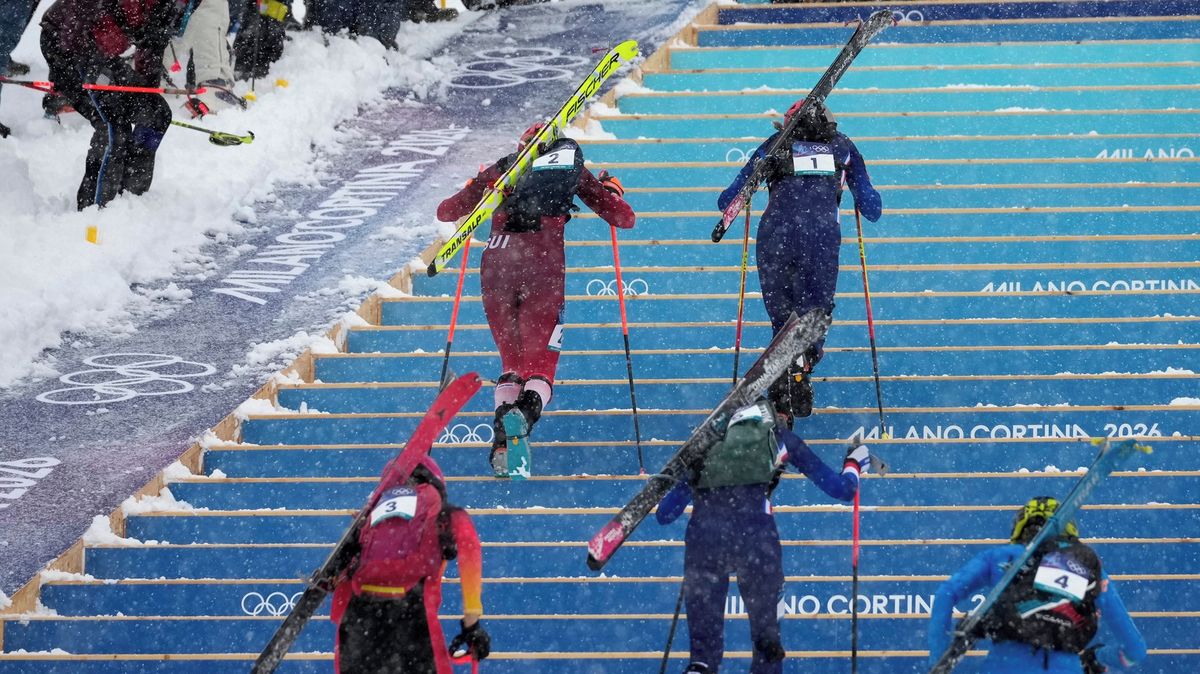
Fans tuning into the Winter Olympics in Milan and Cortina this year may have been surprised by a fresh event: skialpinism. The sport, which involves ascending a mountain on skis and then descending, is making its Olympic debut and has sparked debate among viewers.
Some are calling it the most bizarre event of the Milano Cortina 2026 Winter Games, a sentiment that might even draw a sketch from British comedy troupe Monty Python. The competition sees athletes skin up a slope, remove their climbing skins, pack their gear and then descend – often less gracefully than traditional skiers.
Despite the initial reaction, the physical demands of skialpinism are undeniable, and the sport itself is widely enjoyed as a recreational activity. The athletes competing in Bormio are not to blame for the debate surrounding its Olympic inclusion, with the focus instead turning to the International Olympic Committee (IOC).
- The performances by skialpinists in Italy have been admirable.
- Skialpinism is a beautiful sport and an even more enjoyable hobby.
- The question is why this particular format, reminiscent of the legendary “Games Without Borders,” was chosen for Olympic inclusion.
The inclusion of skialpinism signals a shift in the direction of the Winter Olympics. While traditional events like ski jumping and cross-country skiing face an uncertain future, skialpinism is gaining momentum. For the 2030 Winter Olympics in France, organizers are considering adding cyclocross, telemark skiing, and ice climbing to the program.
The IOC’s willingness to experiment is evident, but the choices raise questions about the future of the Games. Czech Olympic Committee head Jiří Kejval told Seznam Zprávy that while universality is key, the committee is evaluating whether the concept proves successful.
Kejval acknowledged the need for change, noting that summer games are already crowded with events, leading to discussions about potentially adding indoor sports like basketball, volleyball, and handball to the winter program. However, he cautioned that such a move would be a stretch, as winter sports are defined by snow or ice.
“To be honest, for us, the word universality decides everything, i.e. How we get all the broadcasts into the world, the overall fan experience,” Kejval said. “We see still possible that after it ends in Italy, we will evaluate their concept as excellent and appropriate.”
Skialpinism will now undergo a trial by viewership. If it proves popular, it could secure its place in future Olympic programs. If not, events like ice cross – a downhill skating race with athletes wearing protective gear – may have a better chance.
What was also at the Olympics | Sport SZ
- Live pigeon shooting (1900)
- Swimming plunge for distance (1904)
- Tug of war (1900-1920)
- Art competitions: literature, music, painting or sculpture combined with sport (1912-1948)
- Rope climbing (1896, 1904, 1924, 1932)
- Motorboat racing (1908)
The history of the Olympics is filled with unusual events. The first Czechoslovakian Olympic gold medal, for example, was won in rope climbing – a discipline now considered comical. Times change.
The Summer Games are nearing capacity, with a growing number of athletes and sports making comprehensive coverage challenging for media outlets. The Winter Olympics, however, face unique challenges, including a lack of snow, logistical complexities, and unpredictable weather patterns.
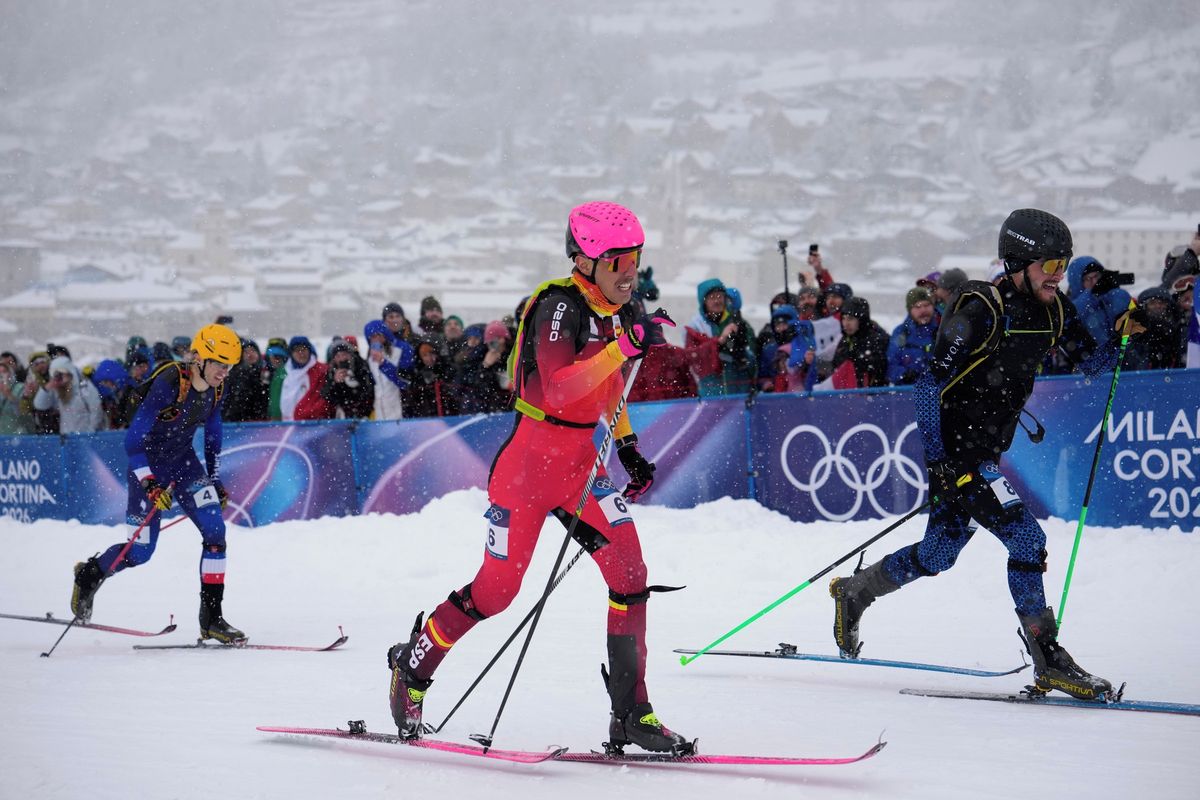
Photo: Profimedia.cz
Moment from the skialpinism Olympic competition.
the success of skialpinism and other potential new events will depend on their ability to capture the attention of a global audience. For now, fans can enjoy the spectacle of athletes pushing their limits in this challenging and unique discipline.
