
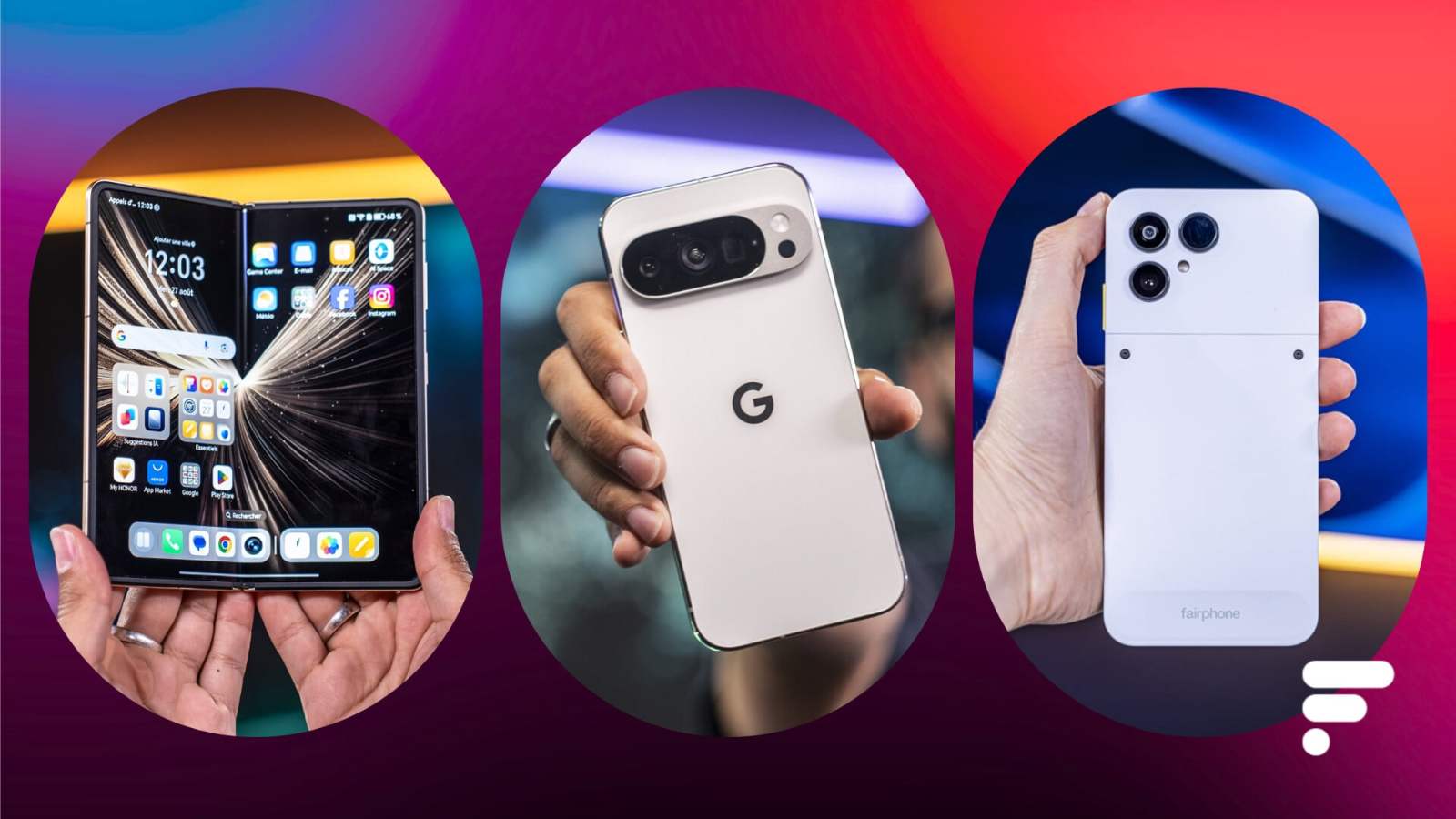
Long-standing concerns about a potential link between smartphone radiation and cancer have been largely allayed by a new report from the French National Agency for Food, Environmental and Occupational Health Safety (Anses). Released today, September 18, 2025, the agency’s thorough review of over 230 studies found no evidence to support a causal relationship between radiofrequency waves emitted by mobile phones and the progress of cancer. While the Anses maintains recommendations for cautious mobile phone use, the report offers reassurance amid ongoing public debate.
For years, concerns have circulated about the potential health effects of radiofrequency radiation emitted by smartphones. Now, a major new study aims to settle the debate. The Anses released its findings on Wednesday, September 18, 2025, following an extensive analysis of 232 scientific studies published between 2013 and 2024.
The agency’s conclusion is clear: there is no evidence to support a causal link between exposure to radiofrequency waves from smartphones and the development of cancer. This finding offers reassurance to many who have worried about the potential risks associated with mobile phone use.
However, the Anses is maintaining its long-standing recommendations for caution and “reasonable use.” This nuanced approach reflects the agency’s commitment to public health and its consideration of evolving technologies like 5G.
Learn More
Which smartphones emit the least and most radiation?
The Science is Clear
The Anses’ analysis was thorough, compiling thousands of data points and separating epidemiological studies – which observe patterns in human populations – from toxicological studies conducted in laboratories on animals. This rigorous approach aimed to provide a comprehensive assessment of the available evidence.
<div class="h-bic__cover m-0 has-text-centered">
<picture><source data-srcset="https://c0.lestechnophiles.com/images.frandroid.com/wp-content/uploads/2025/11/copy-of-blackfriday-box-partenaire-1-1-1200x446.jpg?webp=1&key=4bb9d412 1200w,https://c0.lestechnophiles.com/images.frandroid.com/wp-content/uploads/2025/11/copy-of-blackfriday-box-partenaire-1-1-1200x446.jpg?webp=1&resize=928,344&key=4bb9d412 928w,https://c0.lestechnophiles.com/images.frandroid.com/wp-content/uploads/2025/11/copy-of-blackfriday-box-partenaire-1-1-1200x446.jpg?webp=1&resize=768,285&key=4bb9d412 768w,https://c0.lestechnophiles.com/images.frandroid.com/wp-content/uploads/2025/11/copy-of-blackfriday-box-partenaire-1-1-1200x446.jpg?webp=1&resize=480,178&key=4bb9d412 480w,https://c0.lestechnophiles.com/images.frandroid.com/wp-content/uploads/2025/11/copy-of-blackfriday-box-partenaire-1-1-768x285.jpg?webp=1&resize=600,223&key=500caf66 600w,https://c0.lestechnophiles.com/www.frandroid.com/wp-content/uploads/2025/11/copy-of-blackfriday-box-partenaire-1-1.jpg?webp=1&key=8ad19b64 2400w" type="image/webp"><img decoding="async" width="1200" height="446" loading="lazy" alt="Copy of BlackFriday-Box partenaire (1)" title="Copy of BlackFriday-Box partenaire (1)" class="is-radiusless placeholder-default wp-image" src="https://c0.lestechnophiles.com/images.frandroid.com/wp-content/uploads/2025/11/copy-of-blackfriday-box-partenaire-1-1-1200x446.jpg?key=4bb9d412" srcset="https://c0.lestechnophiles.com/images.frandroid.com/wp-content/uploads/2025/11/copy-of-blackfriday-box-partenaire-1-1-1200x446.jpg?key=4bb9d412 1200w,https://c0.lestechnophiles.com/images.frandroid.com/wp-content/uploads/2025/11/copy-of-blackfriday-box-partenaire-1-1-1200x446.jpg?resize=928,344&key=4bb9d412 928w,https://c0.lestechnophiles.com/images.frandroid.com/wp-content/uploads/2025/11/copy-of-blackfriday-box-partenaire-1-1-1200x446.jpg?resize=768,285&key=4bb9d412 768w,https://c0.lestechnophiles.com/images.frandroid.com/wp-content/uploads/2025/11/copy-of-blackfriday-box-partenaire-1-1-1200x446.jpg?resize=480,178&key=4bb9d412 480w,https://c0.lestechnophiles.com/images.frandroid.com/wp-content/uploads/2025/11/copy-of-blackfriday-box-partenaire-1-1-768x285.jpg?resize=600,223&key=500caf66 600w,https://c0.lestechnophiles.com/www.frandroid.com/wp-content/uploads/2025/11/copy-of-blackfriday-box-partenaire-1-1.jpg?key=8ad19b64 2400w"/></source></picture><noscript><img decoding="async" width="1200" height="446" loading="lazy" alt="Copy of BlackFriday-Box partenaire (1)" title="Copy of BlackFriday-Box partenaire (1)" class="is-radiusless placeholder-default wp-image" src="https://c0.lestechnophiles.com/images.frandroid.com/wp-content/uploads/2025/11/copy-of-blackfriday-box-partenaire-1-1-1200x446.jpg?key=4bb9d412" srcset="https://c0.lestechnophiles.com/images.frandroid.com/wp-content/uploads/2025/11/copy-of-blackfriday-box-partenaire-1-1-1200x446.jpg?key=4bb9d412 1200w,https://c0.lestechnophiles.com/images.frandroid.com/wp-content/uploads/2025/11/copy-of-blackfriday-box-partenaire-1-1-1200x446.jpg?resize=928,344&key=4bb9d412 928w,https://c0.lestechnophiles.com/images.frandroid.com/wp-content/uploads/2025/11/copy-of-blackfriday-box-partenaire-1-1-1200x446.jpg?resize=768,285&key=4bb9d412 768w,https://c0.lestechnophiles.com/images.frandroid.com/wp-content/uploads/2025/11/copy-of-blackfriday-box-partenaire-1-1-1200x446.jpg?resize=480,178&key=4bb9d412 480w,https://c0.lestechnophiles.com/images.frandroid.com/wp-content/uploads/2025/11/copy-of-blackfriday-box-partenaire-1-1-768x285.jpg?resize=600,223&key=500caf66 600w,https://c0.lestechnophiles.com/www.frandroid.com/wp-content/uploads/2025/11/copy-of-blackfriday-box-partenaire-1-1.jpg?key=8ad19b64 2400w"/></noscript> </div>
<div class="h-bic__content p-5 has-text-body">
<p>
A power bank to charge them all </p>
<p class="has-text-weight-medium is-size-6 is-line-height-normal">
It’s Black Friday! Anker is offering a discount on its 25,000 mAh battery pack. With its two built-in cables and a total power output of 165 watts, it can charge almost all of your devices, wherever you are. </p>
</div>
</div>The technical reality is straightforward:
- Epidemiological studies (observing real people with real-world usage patterns) are the most reassuring, showing no surge in glioblastoma cases linked to smartphone use.
- Toxicological studies (conducted on animals) sometimes show effects, but context is crucial.
Olivier Merckel, from the Anses, explains that to observe an effect in the lab, rats are exposed to extremely high levels of intensity, far beyond what your iPhone 17 or a cell tower will ever emit. These are extreme stress tests.
It’s long been known that waves, at very high power, can heat tissues (this is the principle behind your microwave). But at current regulatory levels? Nothing. The report even specifies that no tumor induction has been reported in animals exposed to radiofrequencies under normal conditions.
Why the Persistent “But”?
If there’s no link, why does the Anses still recommend using a hands-free device or prioritizing areas with good reception? This reflects the agency’s adherence to the precautionary principle.
The agency justifies this stance by the rapid evolution of technologies. We don’t yet know what 6G will bring, or the impact of decades of continuous exposure. This is a scientifically sound position.
There’s another perspective, a more pragmatic one. The Anses is broadening the scope of “health.” The real danger of the smartphone in 2025 isn’t the invisible wave cooking your brain, but what you *do* with the screen.
The Real Danger Isn’t What You Think
Simply put, by recommending “reasonable use,” the agency is no longer talking solely about radiation. It’s addressing overall public health.
Smartphones contribute to:
- Increased sedentary behavior (we don’t move when we scroll).
- Impact on sleep (blue light and cognitive stimulation).
- The mental health of adolescents.
When the Anses advises limiting smartphone use, it may be less about protecting your cells from a hypothetical cancer and more about protecting your brain from a very real addiction to notifications. The waves are cleared, but the device remains problematic for other reasons.
In short, you can stop worrying about cell towers. The science has never been more reassuring. However, putting your smartphone away an hour before bed? That’s medical advice I wholeheartedly endorse – not because of the waves, but because you need to sleep.
Find all articles from Frandroid directly on Google. Subscribe to our Google profile to stay up to date!
