
as the energy transition accelerates, innovation in battery technology is crucial for both the automotive industry and grid-scale energy storage. A new venture, Argylium, is launching with the aim of accelerating the commercialization of solid-state batteries – a technology poised to address key limitations of current lithium-ion solutions. Backed by Syensqo, Axens, and IFPEN, the project represents a important investment in scaling up production of sulfide-based solid electrolytes, with a target for commercial availability by 2030. This progress arrives as discussions around the future of Hungary’s energy sector and the viability of clean energy solutions take center stage at this week’s Planet conference in Budapest.
The Planet Conference is scheduled for February 25-26, focusing on the direction of the Hungarian energy sector and the economic viability of transitioning to clean energy. Register for the free Planet Conference day dedicated to clean energy for concrete answers!
A new venture is concentrating on the industrial-scale implementation of next-generation, sulfide-based solid electrolytes. The project builds upon Syensqo’s existing expertise, which already operates a pilot production line in La Rochelle, France, based on a technological breakthrough developed in its Paris laboratory. Argylium will utilize the Paris research center for the development of a sulfide-based electrolyte portfolio and prototype creation, while the La Rochelle unit will specialize in developing pre-industrial processes.
Solid-state batteries are considered a potential game-changer, offering a solution to a fundamental challenge in the energy sector: how to safely store large amounts of energy for extended periods and enable rapid charging. Current lithium-ion technology relies on liquid electrolytes that are flammable, temperature-sensitive, and limit energy density, hindering both the range of electric vehicles and grid stabilization for renewable energy sources. Solid electrolytes, conversely, are significantly more stable, allow for the use of lithium-metal anodes, enabling substantially higher energy storage capacity within the same volume, while reducing the risk of fire and explosion.
This combination – increased energy density, longer lifespan, and enhanced operational safety – is particularly crucial as the biggest challenge facing power grids today is the temporal mismatch between production and consumption.
Wind and solar energy generation are intermittent, and grid stability requires high-capacity, rapidly responding, and long-cycle-life storage solutions. The widespread industrial adoption of solid-state batteries could therefore represent a significant leap forward not only in the automotive industry but also in grid-scale energy storage, potentially allowing Europe to gain a competitive edge in the battery race – bringing it closer to a point where a renewable-based system can be a reliable foundation rather than a supplementary solution.
Axens is contributing to the project with its experience in process design and industrial-scale manufacturing. IFPEN is providing expertise in inorganic chemistry and materials science knowledge accumulated at its Lyon research center to support joint development efforts.
The automotive industry and the energy storage sector are showing increasing interest in solid-state batteries, but their commercial introduction has so far faced significant hurdles.
The technology replaces traditional liquid electrolytes with solid materials, promising greater safety, higher energy density, and faster charging.
This latest development and investment addresses a key issue: the high costs associated with current small-scale production. Scaling up and market expansion are expected to mitigate these costs.
Thomas Canova, Syensqo’s Head of Research and Development, stated that the creation of Argylium is a pivotal step in bringing the materials needed for solid-state batteries to market. Fabrice Bertoncini, Development Vice President at Axens Group, added that the partnership aims to establish an industrial ecosystem that will enable the commercialization of solid electrolytes by 2030.
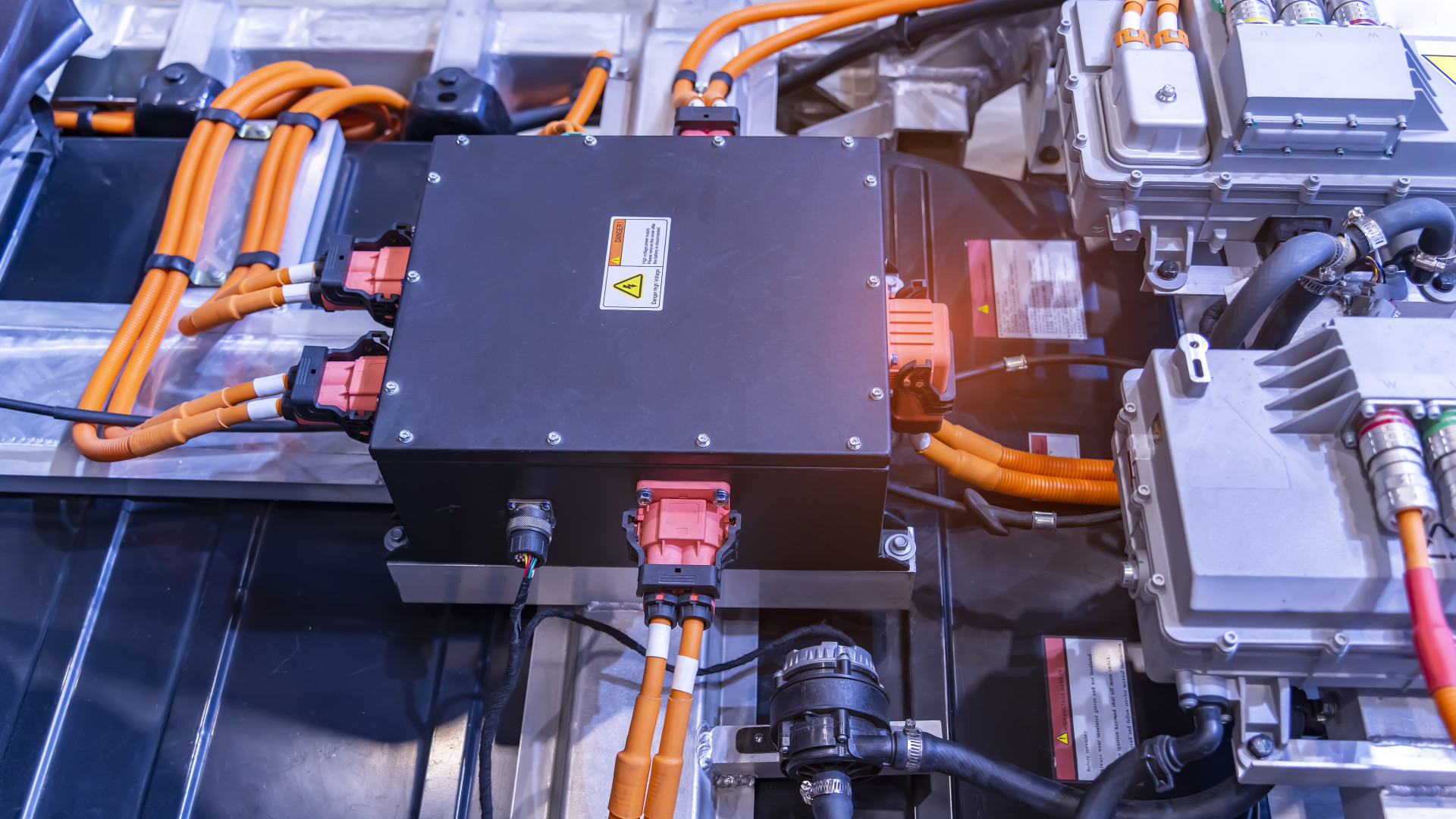
The featured image is an illustration. Image source: Getty Images
This writing does not constitute investment advice or an investment recommendation. Detailed legal information
