
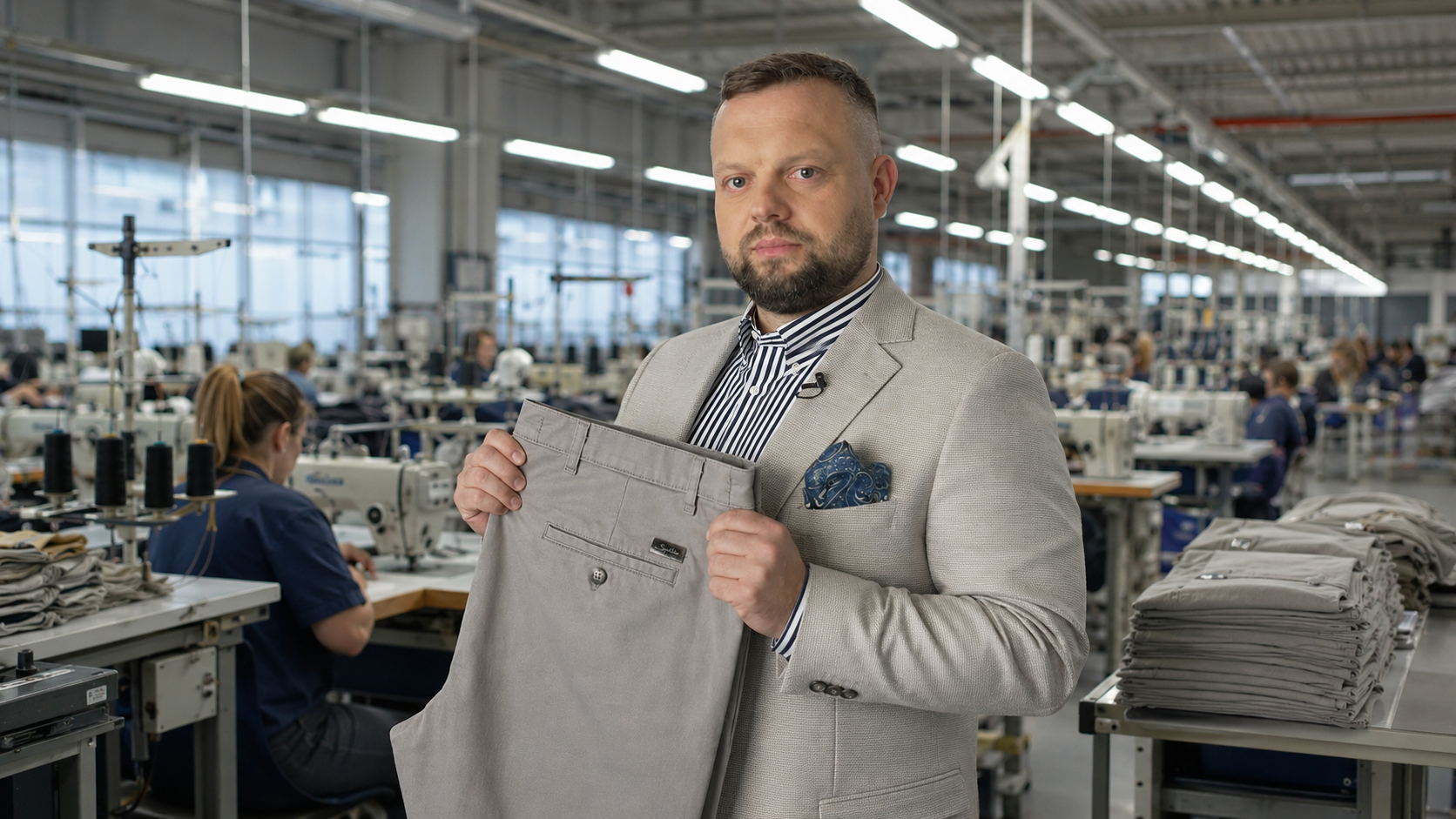
Entrepreneur Sells Personal Home to Acquire Former LPP Production Facility
In a significant move toward the localization of apparel manufacturing, Przemysław Kaczmarek has acquired a sewing facility previously operated by the fashion conglomerate LPP. The acquisition marks a bold entrepreneurial bet on the viability of regional production within the highly competitive garment industry.

The transition of ownership comes as LPP—the parent company behind major brands including Reserved, Sinsay, House, Cropp, and Mohito—has shifted its operational strategy away from direct ownership of such production assets. For Kaczmarek, the acquisition required a substantial personal financial commitment to ensure the venture’s solvency and growth.
“I sold my apartment to put money into the company,”
Kaczmarek stated, highlighting the level of personal risk involved in securing the facility. This decision underscores the commitment required to transition a corporate asset into an independent, agile business entity.

The move is reflective of a broader strategic shift known as “nearshoring,” where companies and entrepreneurs move production closer to the end consumer to reduce lead times and mitigate the risks associated with global supply chain disruptions. By focusing on local production, the facility aims to offer higher flexibility and quality control than is typically possible with far-east manufacturing hubs.
The decision highlights ongoing market volatility and the increasing demand for agility in the fashion sector, where the ability to react quickly to consumer trends is a critical competitive advantage. By taking over a facility with the legacy of a giant like LPP, Kaczmarek is positioning his operation to bridge the gap between large-scale corporate standards and the flexibility of a boutique production house.
Based on the current trajectory of the industry, this acquisition serves as a case study in the reshoring trend, as the garment sector increasingly seeks to balance cost-efficiency with the security and speed of domestic manufacturing.
