
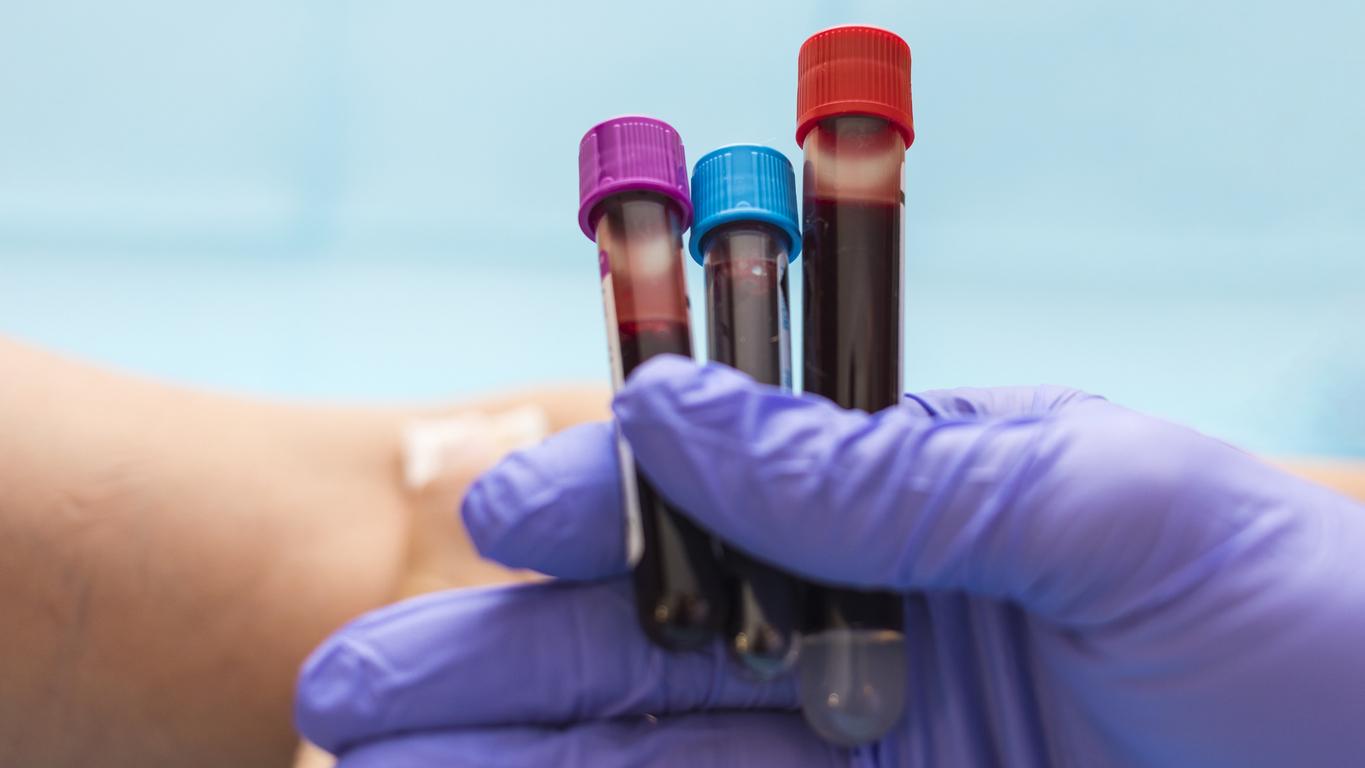
Stroke affects nearly 800,000 Americans each year,making quick and accurate assessment crucial for effective treatment. Currently, evaluating the extent of brain damage relies heavily on complex and time-consuming imaging techniques. Though,researchers at Ludwig maximilian University of Munich have identified a novel blood-based biomarker,brain-derived tau (BD-tau),that shows promise in rapidly determining stroke severity,predicting patient recovery,and potentially gauging response to therapies. This revelation, published in Science Translational Medicine, could significantly streamline stroke care and improve patient outcomes.
L’ESSENTIEL
- Researchers have identified a blood-based marker for stroke, a protein called BD-tau.
- This protein can help determine the extent of brain damage and predict patient recovery.
- Measuring BD-tau levels may also predict how well a patient will respond to stroke treatments.
Stroke is a medical emergency, and predicting its outcome can be challenging despite advanced imaging techniques. However, a new discovery from researchers at Ludwig Maximilian University of Munich suggests a simple blood test could offer valuable insights into the severity of brain injury, potential for recovery, and even treatment effectiveness.
The findings were recently published in the journal Science Translational Medicine.
BD-tau Protein Reveals Stroke Severity
Since 2013, the research team has been focused on improving stroke care. Their work led to the identification of brain-derived tau (BD-tau) as a biomarker in the blood that reflects the progression of brain injury following a stroke. Testing conducted during the first seven days of hospitalization revealed that BD-tau levels in the blood correlated with the extent of damage to the brain.
Initial measurements, taken within hours of symptom onset, were linked to the degree of brain injury and helped predict stroke severity. The protein also tracked the disease’s evolution; larger increases in BD-tau levels within the first 24 to 48 hours were associated with worsening stroke outcomes. Elevated levels were also observed in patients who experienced complications, such as recurrent strokes.
The scientists found that BD-tau was “a strong predictor of recovery.” Measuring the protein allowed them to determine a patient’s functional outcome at 90 days and beyond “with accuracy at least equal to, or even greater than, that of other blood biomarkers, and even imaging,” they noted in their news release. This is significant because accurate prognosis is crucial for guiding patient care and setting realistic expectations.
Blood Test May Predict Treatment Success in Stroke Patients
The study, which involved more than 1,200 stroke patients, demonstrated that measuring BD-tau levels could also help determine whether a treatment is working. For example, after a thrombectomy – a procedure to remove a blood clot from the brain – the increase in BD-tau was lower when the vessel was completely cleared. Similarly, BD-tau levels rose less in patients treated with nerinetide, a promising neuroprotective drug for stroke, compared to those receiving a placebo.
“We don’t just need a snapshot at the beginning of a stroke. We need a way to track the evolution of brain injury over time,” explained Dr. Steffen Tiedt, lead author of the study. “Brain-derived tau could become a sort of troponin [a protein from the heart muscle used to monitor cardiac damage] for the brain.” This could help doctors closely monitor disease progression, detect complications earlier, and evaluate new therapies.
While the results are promising, Dr. Tiedt emphasized that further research is needed – including establishing reference ranges and thresholds – before the test can be widely implemented in hospitals. He also suggested that BD-tau could potentially be used to assess brain injury in other neurological conditions.
