
A surprising link between dietary sugar and liver health is gaining increased attention from medical professionals. While long associated with alcohol abuse, non-alcoholic fatty liver disease is now increasingly linked to excessive consumption of added sugars, particularly fructose found in common processed foods and beverages. This growing health concern, affecting an estimated 25% of Americans according to the Liver Foundation, is frequently enough diagnosed unexpectedly, as manny patients are unaware of the impact sugar has on their liver function. This report details the emerging understanding of this connection and offers insights from nutritionists on prevention and awareness.
Added sugar, a common ingredient in daily coffee, processed beverages, and ultra-processed foods, has a direct impact on liver health. Experts say that excessive consumption – particularly of processed fructose – is a major factor associated with the development of non-alcoholic fatty liver disease, a condition commonly known as fatty liver.
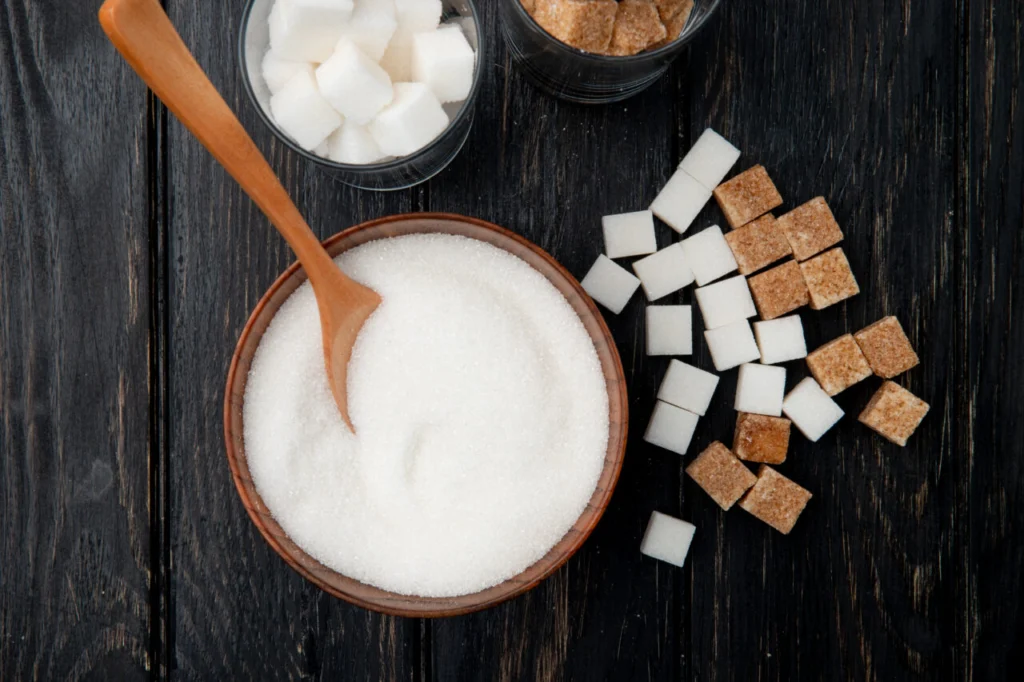
Understanding the Link
Fatty liver disease is becoming increasingly common, and this research highlights the significant role that added sugar plays in its development. While often associated with alcohol consumption or a high-fat diet, excessive sugar intake is now recognized as a primary driver of the condition.
- Silent threat: Added sugar promotes fat accumulation in the liver.
- Processed fructose: Overloads the organ and stimulates inflammation.
- Common misconception: The problem isn’t just about fat or alcohol.
- Lifestyle changes: Reading labels and making conscious choices can help with prevention.
According to nutritionist Cibele Santos, added sugar is the biggest threat to liver health in modern diets, especially fructose found in processed foods and drinks.
Many people assume fatty liver is only caused by alcohol or fatty foods, but excess sugar is one of the most direct causes of the problem.
In practice, patients are often surprised to receive a diagnosis of fatty liver. “Many report that they hardly eat fried foods, but ignore the amount of sugar they consume daily,” explains Santos. What many don’t realize is that the liver is less affected by ingested fat and more by sugar that the body can’t use immediately.
Click here to read the full report on Metrópoles, a GMC Online partner.
