
Japan Signals Potential Military Response to Taiwan Attack, Escalating China Tensions
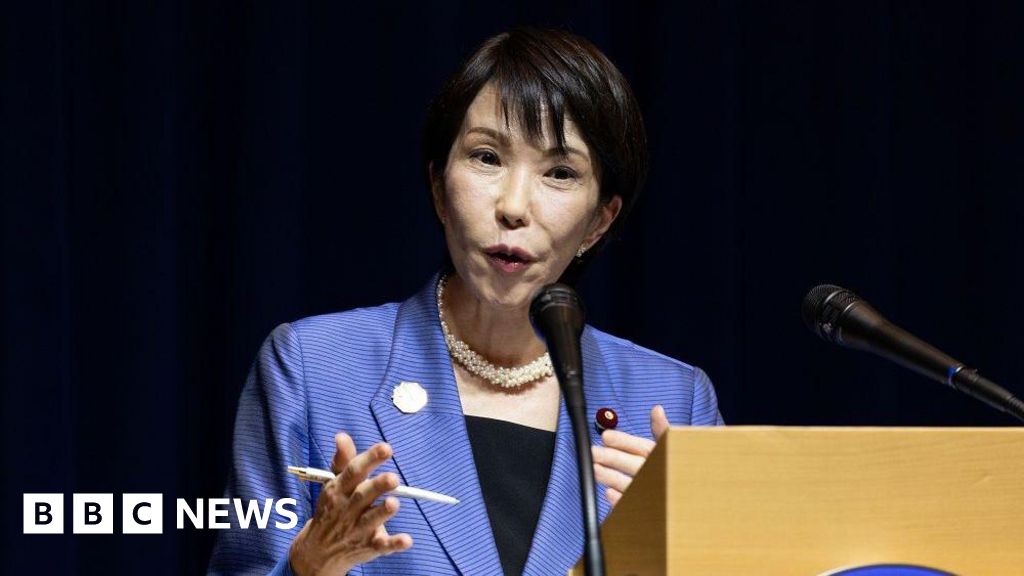
Japan’s Prime Minister Sanae Takaichi indicated today that the country’s self-defense forces could be deployed in response to a Chinese attack on Taiwan, further escalating a recent diplomatic conflict between the two nations.
The comments, made during a parliamentary meeting last Friday, stemmed from a question regarding circumstances that would constitute a “survival-threatening situation” for Japan. Takaichi responded that battleships and the use of force related to Taiwan “could constitute a survival-threatening situation,” triggering Japan’s 2015 security law allowing for the activation of its self-defense forces. This stance represents a potential shift in Japan’s traditionally ambiguous position on Taiwan’s defense. The escalating tensions highlight the growing concerns over China’s military ambitions in the region and the potential for conflict.
Beijing swiftly condemned Takaichi’s remarks, with China’s foreign ministry labeling them “egregious.” The situation intensified when Xue Jian, China’s consul general in Osaka, posted a comment on X, stating that “the dirty head that sticks itself in must be cut off” in response to news of Takaichi’s statements. While the post has since been removed, Japan’s chief cabinet secretary Minoru Kihara called the comment “highly inappropriate,” and Tokyo lodged a formal protest. China also lodged its own protest with Japan regarding Takaichi’s initial remarks. For more on the history of Sino-Japanese relations, see the Council on Foreign Relations.
Yesterday, Takaichi defended her comments as consistent with the government’s established position but acknowledged she would exercise caution in future remarks regarding specific scenarios. She also reiterated Japan’s commitment to peaceful dialogue regarding Taiwan, a self-governed island that China claims as its own. The United States maintains a similar policy of strategic ambiguity regarding its response to a potential Chinese invasion.
Officials on both sides have indicated that diplomatic channels remain open, but further exchanges are expected as the situation develops.
