

Beyond Connectivity: Understanding the Multi-Layered Architecture of the Internet of Things
The Internet of Things (IoT) is frequently described as a simple network of connected devices, but in reality, it functions as a sophisticated, multi-layered system. This layered architecture is essential for transforming raw physical data into actionable digital insights, moving far beyond the basic premise of linking objects to the internet.
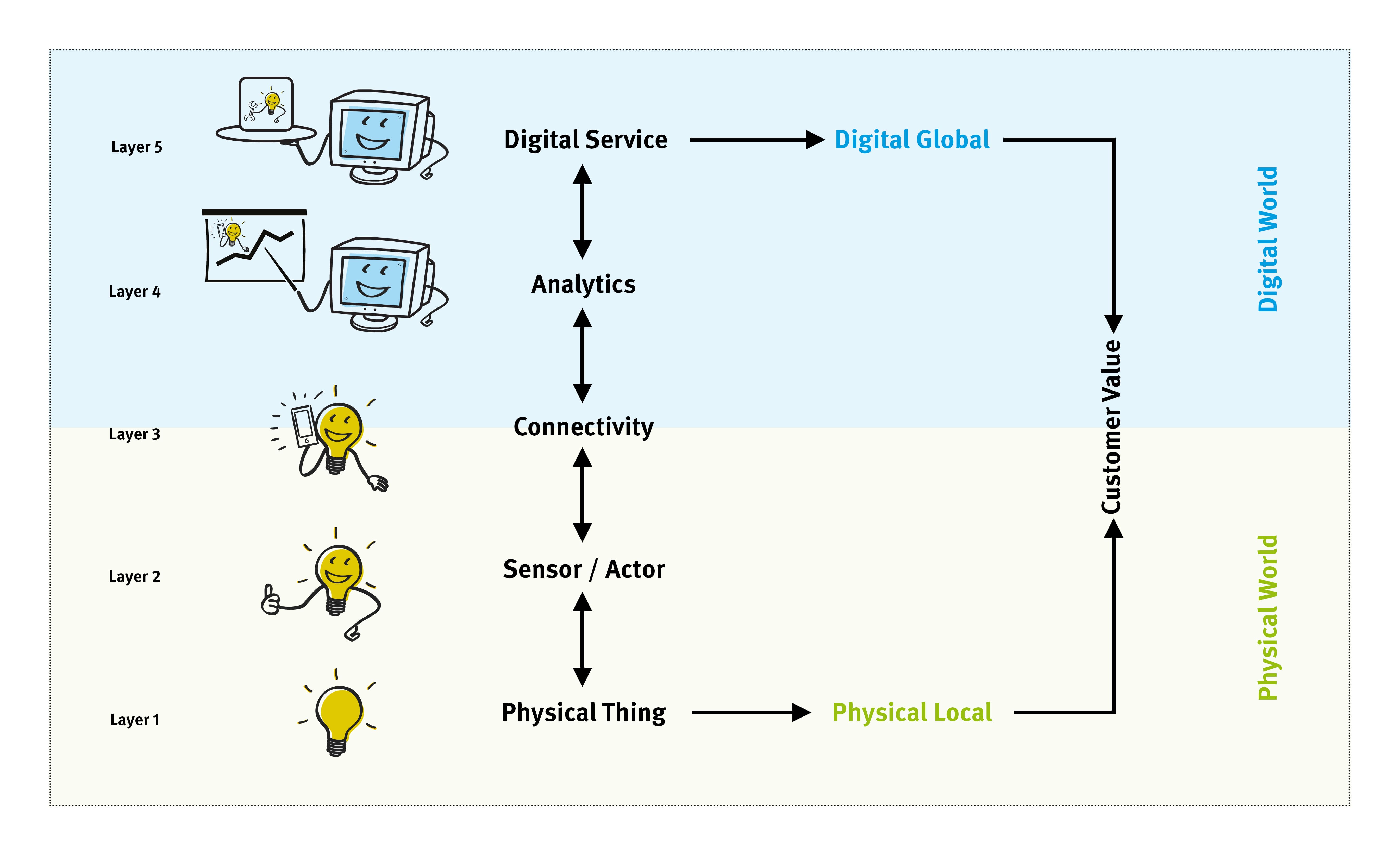
The seamless integration of these layers is what enables the transition from simple automation to true intelligent systems. To understand how IoT operates, one must look at the four critical levels that define its structure.
The Perception Layer: The System’s Senses
At the foundation of the ecosystem is the perception layer. This stage acts as the system’s sensory organ, utilizing sensors and actuators to gather data from the physical environment or trigger physical actions. Whether it is monitoring temperature or detecting motion, this layer is where the digital world first interfaces with the physical.
The Network Layer: The Digital Bridge
Once data is captured, the network layer manages the transmission. This infrastructure serves as the essential bridge, moving information from the edge to the processing hubs. Depending on the requirements of the system, this is achieved through various communication protocols, including Wi-Fi, Bluetooth, 4G, 5G, or LoRaWAN.
The Processing Layer: The Intelligence Hub
The processing layer, often identified as the middleware, serves as the system’s brain. At this stage, the raw data received from the network is filtered, analyzed, and stored. By leveraging both cloud and edge computing, this layer manages the vast volumes of information to ensure that only relevant data reaches the end user.
The Application Layer: Delivering User Value
Finally, the application layer translates processed data into a functional service. This is the primary interface where the end-user interacts with the technology. This layer manifests in a wide array of practical implementations, ranging from smart home automation and smart city management to industrial IoT (IIoT) for enterprise monitoring.
The overall effectiveness of an IoT ecosystem depends entirely on the synergy between these four levels. However, this architectural complexity also introduces systemic risks; because the layers are interdependent, a security vulnerability in any single stage can potentially compromise the integrity of the entire system. This highlights the ongoing need for robust, cross-layer security frameworks as the digital economy continues to expand.
