
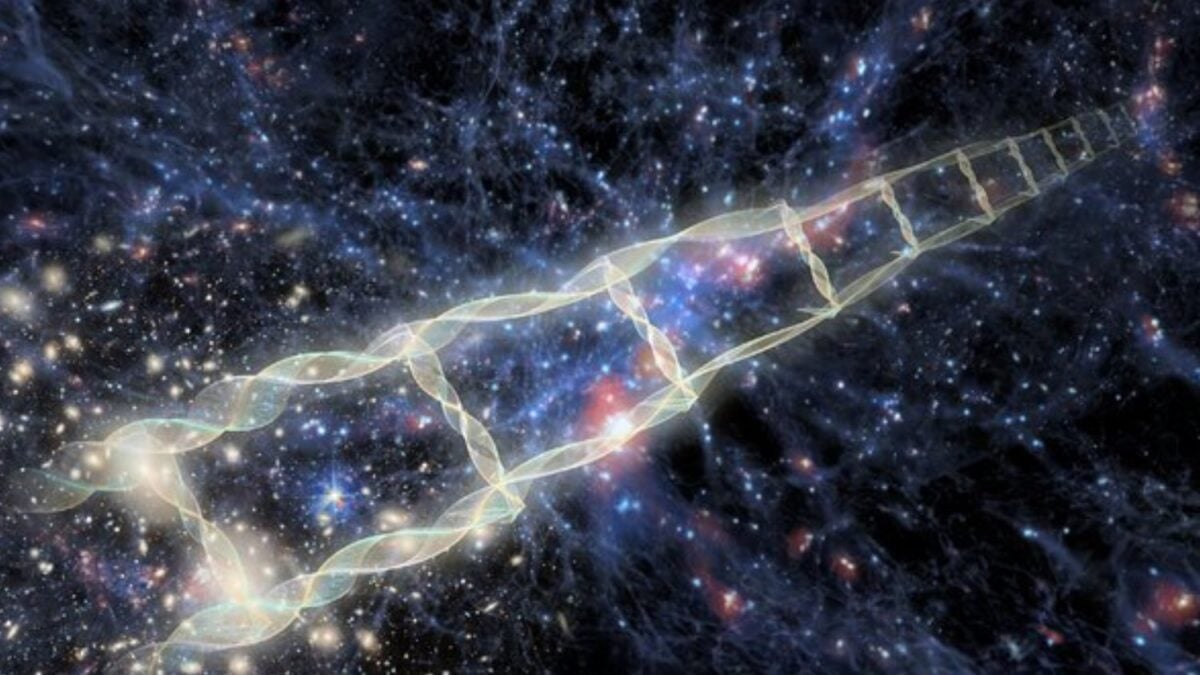
Astronomers have reached a new milestone in understanding the cosmos, achieving an unprecedented level of precision in measuring the expansion rate of the universe. An international collaboration has determined the current expansion rate, known as the Hubble constant, with an accuracy nearing 1%.
The Precision Gap: 73.5 km/s per Megaparsec
According to the latest findings, the universe is expanding at a rate of 73.5 ± 0.81 kilometers per second for every megaparsec of distance. This measurement represents the most precise calculation to date, achieved through the strategic superposition of multiple observation techniques.
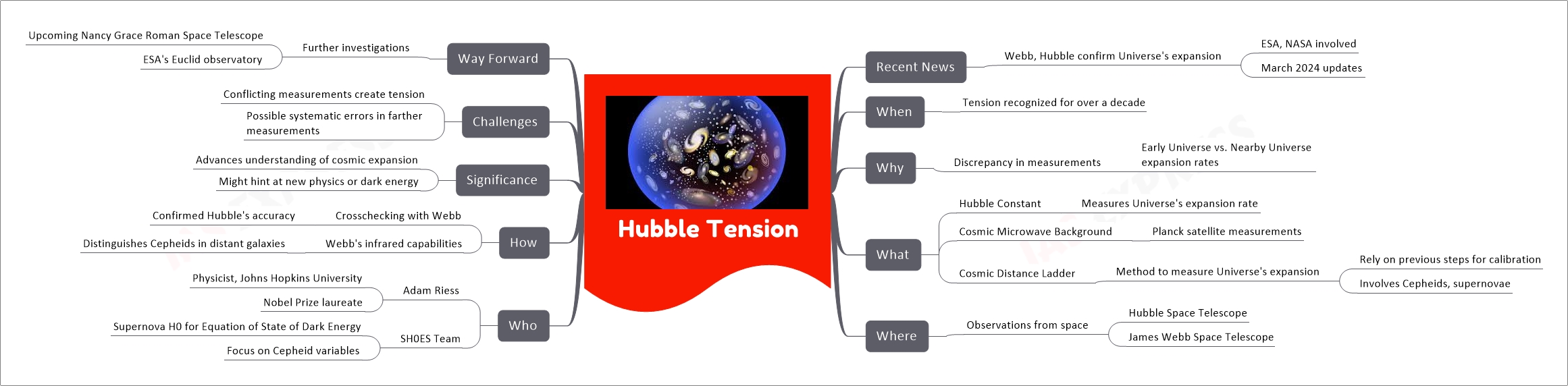
Even as this figure aligns closely with previous data derived from the “nearby” or local universe, it creates a significant conflict with measurements based on the early stages of the cosmos. This discrepancy, often referred to as the “Hubble Tension,” suggests that current physical models may be missing a critical piece of the puzzle regarding the distant reaches of space.
A Cosmic Puzzle: The ‘Inflating Balloon’ Analogy
To visualize this phenomenon, scientists often compare the universe to an inflating balloon. In this analogy, galaxies are like dots painted on the surface; as the balloon expands, the dots move further apart. Crucially, the galaxies themselves are not traveling through space; rather, it is the space between them that is widening.
Traditionally, researchers have used two primary methods to calculate this speed:
- Measuring the distances between stars and galaxies in the local universe.
- Analyzing the cosmic microwave background, which is the residual electromagnetic radiation left over from the Big Bang.
The fact that these two methods yield different results indicates that the mystery of cosmic expansion is becoming more complex rather than simpler. This gap in data highlights a potential deficiency in our understanding of physics as it applies to the early universe, signaling that the “Hubble Tension” remains a fundamental challenge for modern astrophysics.
