

The Invisible Engine of Power: Why Transition Teams Are Critical for Government Stability
A successful change in government depends less on the victory at the polls and more on the technical precision of the handover that follows. While the public focus remains on political triumphs and new appointments, the actual stability of a state hinges on the “transition team”—the professional bridge that ensures the machinery of government continues to function without interruption.
The transition period is often the most vulnerable moment for any administration. Without a structured process, new leaders risk entering office with a steep and dangerous learning curve, where the first few months are spent discovering how the bureaucracy operates rather than implementing policy. This gap in knowledge can lead to administrative paralysis or costly errors in governance.
Effective transition teams act as a technical safeguard against this improvisation. Their primary role is to manage the transfer of critical dossiers, budgetary realities, and pending institutional commitments. By organizing a systematic handover, these teams allow the incoming administration to hit the ground running, transforming a potentially chaotic shift in power into a seamless professional evolution.
Preventing the Cost of Improvisation
The danger of neglecting the transition phase is a reliance on improvisation. When a new government assumes power without a comprehensive technical briefing, it often faces an “information vacuum” that can be exploited or lead to systemic failure. Professionalized transitions mitigate this risk by prioritizing institutional memory over political volatility.
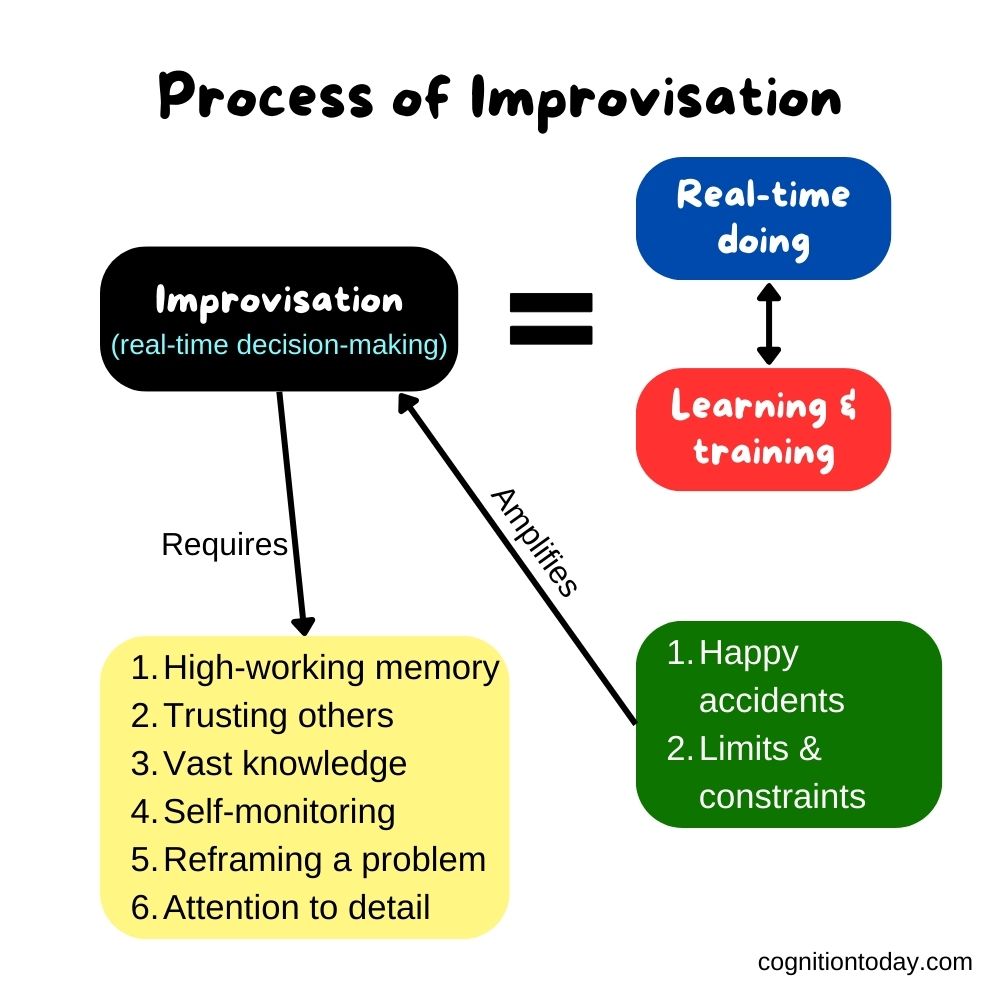
This process is not merely about administrative convenience; it is a matter of institutional health. When the “key link” of a transition team is missing, the state’s ability to provide basic services and maintain legal continuity can be compromised, regardless of the new leadership’s intentions.
the move toward more rigorous transition protocols underscores a fundamental truth in modern governance: the strength of a democracy is measured not just by how power is won, but by how responsibly it is transferred. The effectiveness of these teams often determines whether a new administration spends its first hundred days governing or simply trying to navigate the bureaucracy.
