
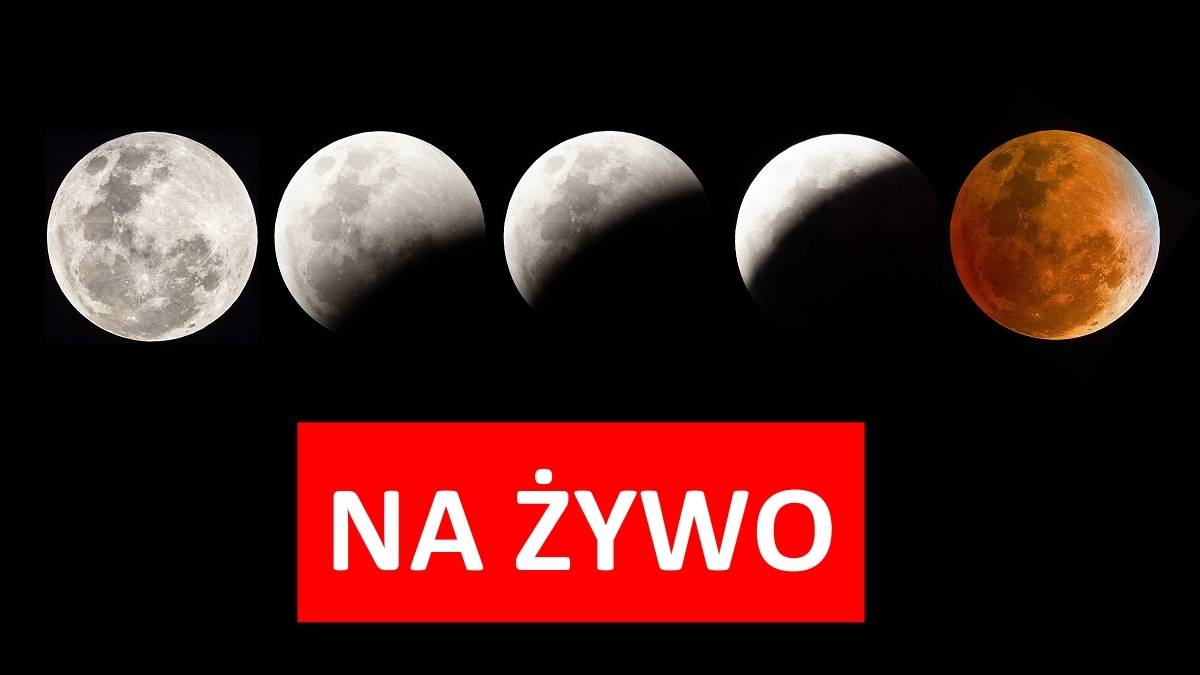
A total lunar eclipse will occur when the Sun, Earth, and Moon align in a straight line. During this event, our planet will block the sun’s rays, and its darkest shadow, known as the umbra, will gradually fall upon the surface of the Moon.
During the total phase, the Moon doesn’t disappear entirely, but instead takes on a fascinating, blood-red hue. This happens because Earth’s atmosphere scatters blue sunlight, allowing only longer, red-toned wavelengths to illuminate the darkened lunar surface. This phenomenon, often called a “blood moon,” is a striking visual reminder of the interplay between light and atmospheric conditions.
The spectacle will begin at 9:44 AM with a barely perceptible penumbral eclipse. The partial phase will then start at 10:50 AM, as a distinct, dark outline of Earth’s shadow begins to appear on the edge of the Moon. This will look as if an increasingly large, dark chunk is being bitten out of the bright, full lunar disc.
The most anticipated total phase will follow, lasting for one hour. At 11:04 AM, the entire Moon will ultimately disappear into Earth’s deepest shadow, displaying intriguing shades of copper and deep red. The culmination of this extraordinary astronomical event will occur at 12:34 PM, when the Moon is positioned in the center of the main shadow.
The total phase will end at 1:03 PM, as the Moon slowly emerges from Earth’s main shadow. Bright, silvery sunlight will reappear on its edge. Minute by minute, the illuminated portion of the lunar disc will grow, gradually pushing the reddish darkness into oblivion.
The phenomenon will conclude at 3:22 PM with the satellite’s complete exit from Earth’s penumbra, restoring its usual brightness. While observers in Poland will have to settle for a live broadcast from California, where it will be nighttime, understanding the mechanics of this cosmic dance allows for a full appreciation of its beauty. The event underscores the ongoing public fascination with space and the advancements in livestreaming technology that allow global access to these events.
Źródło: TwojaPogoda.pl
