Scientists Find Neurons in The Gut That Could Be Driving Constipation And Pain
Scientists uncover gut neurons that may link constipation, pain, and memory, sparking a fresh debate on the body’s second brain.
- Intelligence Anchor: Scientists Find Neurons in The Gut That Could Be Driving Constipation And Pain
- Core Takeaway: Scientists uncover gut neurons that may link constipation, pain, and memory, sparking a fresh debate on the body’s second brain.
- Signal Velocity: 4 score across 6 independent media sources and 6 indexed articles.
- Forecast Model: Story predicted to decelerate within 24h.
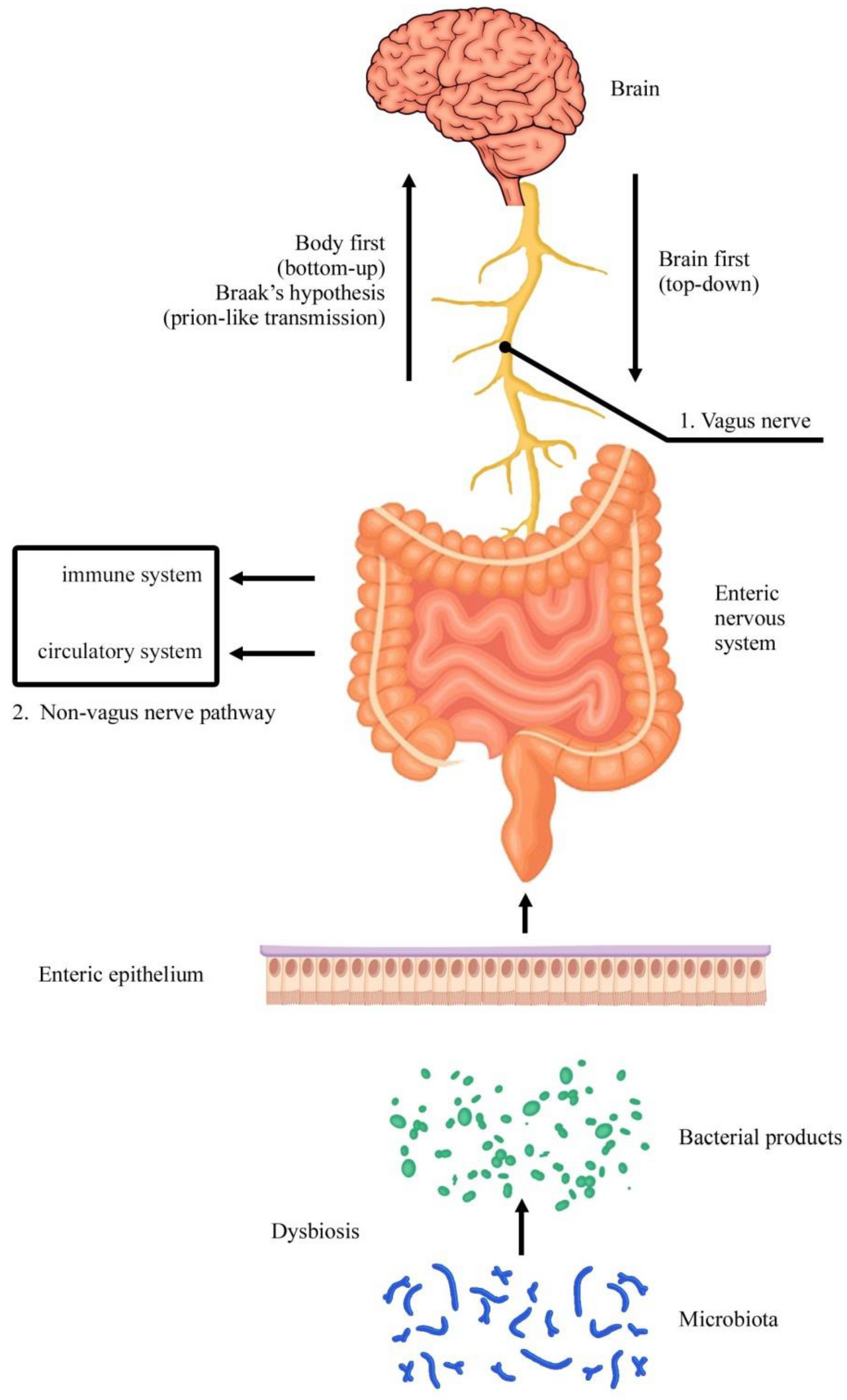
The story so far
A surprising claim that gut neurons may drive constipation and pain first appeared in ScienceAlert, which reported the discovery of neurons in the gastrointestinal tract. Subsequent pieces expanded the context.
University of Arizona News detailed a researcher’s effort to ‘wiretap’ gut‑brain communication, suggesting new angles for dietary interventions. The Times of India, marking World Brain Day, highlighted the gut as a “second brain” and featured a neurologist’s explanation of the hidden connection.
Current coverage stops at the biological observation, leaving the practical implications for treatment and diet open for future investigation.
Synthesized by headlinez.news from the headlines below under a strict no-invention contract. ✓ fact-checked: unsupported claims removed (50% supported) Updated 67d ago.
Coverage (6)
- How Stomach Helps Brain Form Memories Mirage News · 68d ago
- By wiretapping the conversation between gut and brain, U of A researcher hopes to change the discussion around healthy eating University of Arizona News · 68d ago
- Your second brain is in your gut: This World Brain Day, neurologist explains the hidden connection The Times of India · 68d ago
- How exploring the gut microbiome could support mental health New Scientist · 68d ago
- The stomach helps the brain form memories—this is how it may work Medical Xpress · 68d ago
- Scientists Find Neurons in The Gut That Could Be Driving Constipation And Pain ScienceAlert · 68d ago
The obvious questions
What new discovery about gut neurons was reported?
ScienceAlert reported scientists found neurons in the gastrointestinal tract that could be driving constipation and pain.
Which outlets linked gut activity to memory or mental health?
Mirage News and Medical Xpress described the stomach’s role in forming memories, while New Scientist discussed how studying the gut microbiome could support mental health.
What is the current status of therapeutic applications?
No outlet provided quantitative data or clinical trial results; coverage ends at the biological observation, leaving treatment implications unspecified.
The coverage curve
How fast coverage is spreading — measured hourly from article rate × source diversity. How this works →
Will this trend continue gaining momentum or fade within 24 hours?
Cast your anonymous vote to register reader sentiment on news cycle velocity.
Related visual coverage
Automatically selected only when the subject entities match this story. Embeds remain hosted by their original platforms.
Scientists Identify Hidden Gut-Brain Circuit That Drives Protein Cravings in Humans
YouTube · Medical Dialogues
Topics
Related trends
Graphene nanoribbons survive gamma radiation, revealing potential sensors for fusion reactors
Graphene nanoribbons are demonstrating resilience to gamma radiation, opening new possibilities for electronics within extreme environments like fusion reactors.
Chronic Constipation May Be Linked to Your Gut's 'Second Brain'
New research ties gut bacteria and the 'second brain' to chronic constipation—sparking a wave of health coverage.
Euclid telescope spots oldest quasars ever discovered, adding to "perplexing" space mystery
The Euclid Space Telescope has identified 31 ancient quasars, including the most distant ever recorded, challenging existing models of the early universe.
Nutritionist Says Better Gut Health Starts With Your Nervous System, Not Probiotics
Gut health may hinge on your nervous system—not probiotics—says a growing wave of expert-backed coverage
NBA Draft: Bucks select Arizona’s Brayden Burries with No. 10 pick
Milwaukee Bucks reshuffle roster with late-round steals in 2026 NBA Draft