Mark Zuckerberg says US should not ban Chinese AI
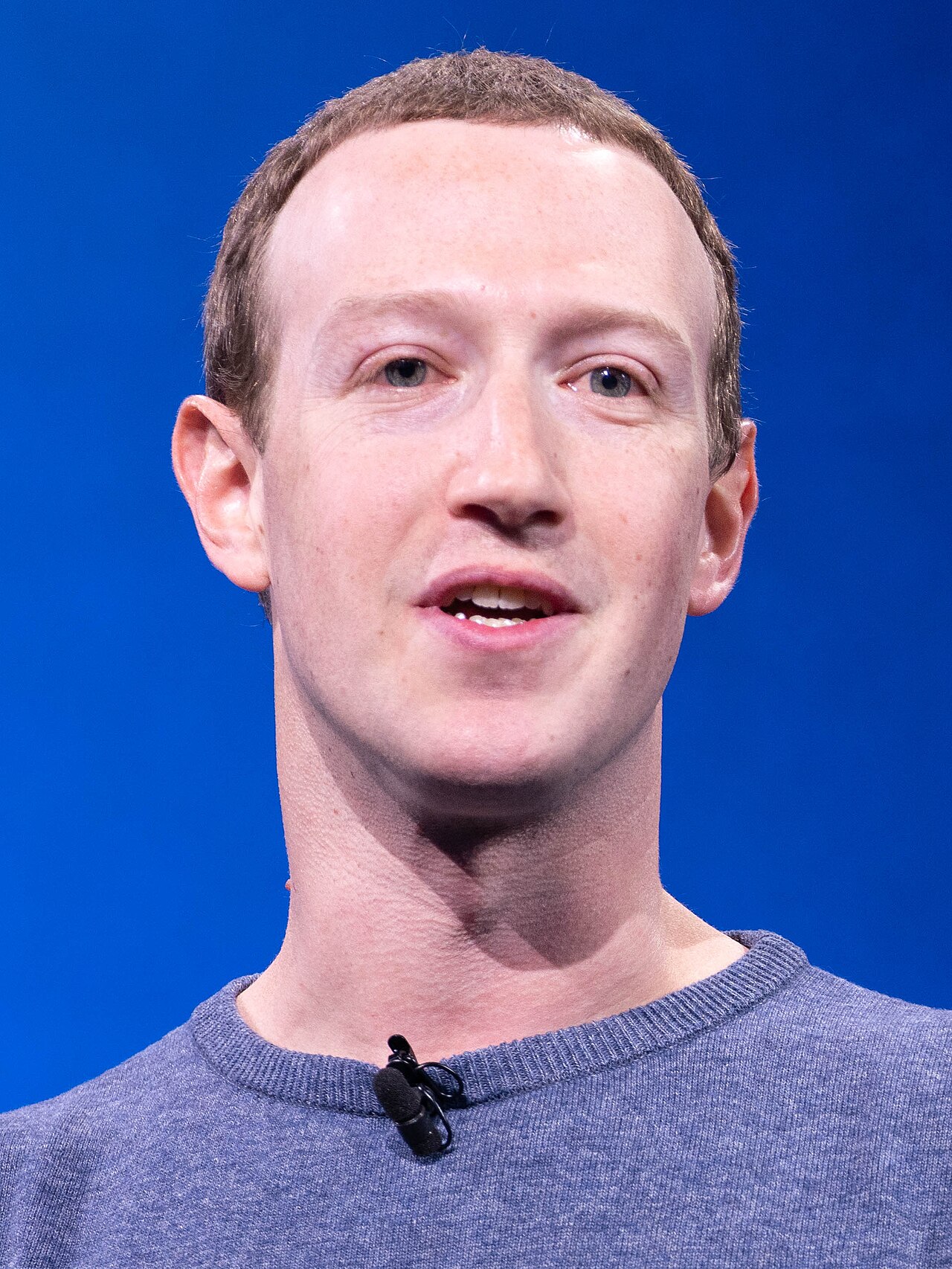
Meta CEO Mark Zuckerberg is urging the U.S. government against banning Chinese artificial intelligence models as geopolitical tensions over technology deepen.
Who reported it (12)
- The 3 biggest takeaways from Mark Zuckerberg's media blitz Business Insider · 49d ago
- Is Mark Zuckerberg Actually TRYING to Destroy Meta? Futurism · 49d ago
- Opinion WSJ · 49d ago
- Mark Zuckerberg Blasts Centralization of A.I. Power The New York Times · 49d ago
- Mark Zuckerberg Says U.S. Should Accelerate AI Development, Not Restrict It WSJ · 49d ago
- China warns US against AI sanctions Semafor · 49d ago
- Meta CEO Zuckerberg warns US shouldn’t ban Chinese AI models cnn.com · 49d ago
- A market vet warns that Washington's moves to blunt AI competition from China are largely 'toothless' Business Insider · 49d ago
- Beijing Strikes Back At Washington’s AI Distillation Accusation The Information · 49d ago
- What Is Open-Weights A.I.? The New York Times · 49d ago
- Mark Zuckerberg says US should not ban Chinese AI Financial Times · 49d ago
- Meta CEO Zuckerberg warns US shouldn’t ban Chinese AI models CNN · 49d ago
The story so far
Policy decisions regarding AI regulation and national security may soon impact the availability of international software tools and the competitive landscape for American firms operating globally. Mark Zuckerberg stated that the U.S. should prioritize the acceleration of its own AI development rather than implementing restrictions on Chinese AI models. This position contrasts with mounting pressure from some sectors to curb the influence of foreign technology in the American market.
Simultaneously, Beijing has issued warnings against U.S.-led AI sanctions, characterizing recent accusations regarding AI distillation as unfounded. Coverage from The New York Times, WSJ, and CNN highlights a broader debate concerning the centralization of AI power and the risks of open-weights models. While some market analysts cited by Business Insider suggest that current efforts to blunt Chinese competition are toothless, other outlets are focusing on the technical definitions of open-source AI and the geopolitical implications of Beijing’s response.
The current conversation leaves open the question of how federal regulators will respond to these competing priorities. Coverage does not yet specify whether legislative bodies are preparing to draft formal restrictions on Chinese AI or if the current focus on open-weights technology will lead to new transparency requirements for companies like Meta.
Synthesized by headlinez.news from the headlines below under a strict no-invention contract. ✓ fact-checked: unsupported claims removed (89% supported) Updated 47d ago.
The obvious questions
What is Mark Zuckerberg’s stance on Chinese AI?
He has stated that the U.S. should not ban Chinese AI models and should instead focus on accelerating domestic development.
How has China responded to the discourse on AI sanctions?
Beijing has warned the U.S. against imposing AI sanctions and has contested allegations regarding AI distillation.
What is the primary point of contention in current reports?
The debate centers on whether the U.S. should restrict foreign AI competition or focus on its own technological growth and the decentralization of AI power.
Momentum
How fast coverage is spreading — measured hourly from article rate × source diversity. How this works →
Related visual coverage
Automatically selected only when the subject entities match this story. Embeds remain hosted by their original platforms.
CNBC - Ed Zitron on Mark Zuckerberg and Meta's AI Strategy
YouTube · Ed Zitron
Topics
From around our network
- Chinese Jaecoo 5 EV Launches in Norway: Affordable Luxury for Outdoor Life world-today-news.com
Related trends
AI could pose 'existential' risk to humanity, UN rights chief warns
The UN human rights chief warned that advanced artificial intelligence could pose an existential threat to humanity.
Walmart store workers have a new responsibility: correcting AI errors
As corporations rush to automate workflows, employees are taking on an unexpected new job description: fixing artificial intelligence errors.
Apple's Camera-Equipped AirPods Confirmed: See Them in Action
Apple accidentally leaked video of upcoming camera-equipped AirPods in a macOS update, revealing new Visual Intelligence features.
Taiwan representative in Japan boycotts Nagasaki bombing anniversary ceremony over seating
Taiwan's top envoy in Japan boycotted the Nagasaki bombing memorial after organizers placed his delegation outside the diplomatic zone.
This ‘adversarial’ pattern can prevent surveillance cameras from detecting you
An adversarial pattern claimed to evade AI surveillance cameras faces scrutiny as experts demand reproducible public proof.
U.S., Allies Put Frictions Aside, Showing China Combined Naval Might
The United States and its allies set aside friction to demonstrate combined naval might against China.