NASA selects successor to CAPSTONE lunar mission
NASA has officially authorized CAPSTONE 02, the successor to its previous lunar mission, marking a new phase in cislunar exploration.
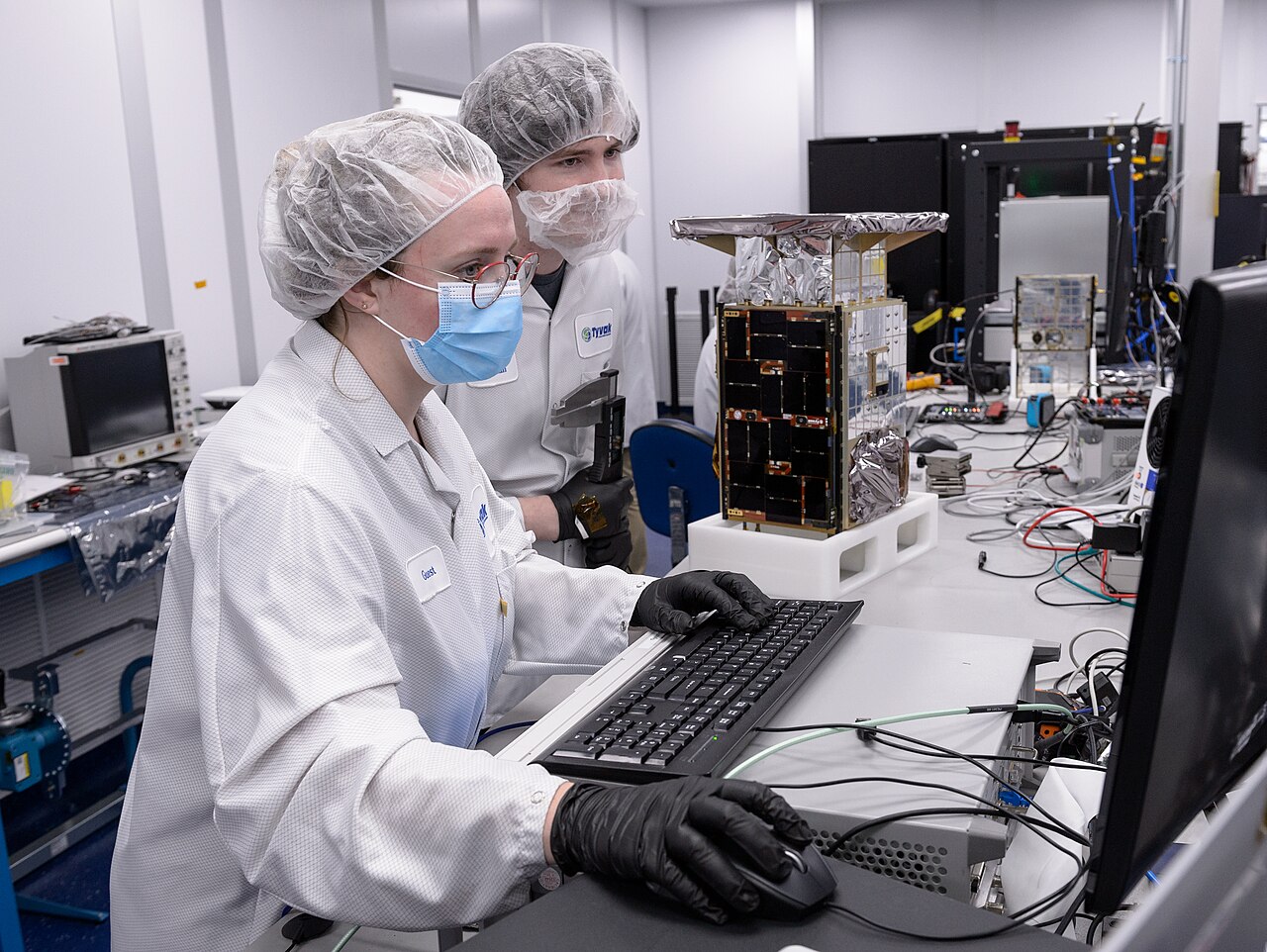
The story so far
NASA has greenlit the CAPSTONE 02 mission, tasking Advanced Space with returning to the moon to build upon the findings of the original lunar operation. The project aims to utilize the trajectory and technological groundwork established by the predecessor, which provided data on lunar orbital dynamics. This follow-up mission is intended to further test and reshape approaches to space exploration in the region surrounding the moon.
Advanced Space has selected the Lawrence Livermore National Laboratory to supply the optics system required for the mission. According to coverage from SpaceNews, Inside Outer Space, and other specialized outlets, the transition to a second iteration signals a commitment to long-term orbital testing. Stakeholders now shift focus to the integration of the new optics technology into the CAPSTONE 02 craft.
Industry watchers and federal partners are monitoring the development of this hardware as the primary technical requirement for the next launch phase. The mission's timeline and launch schedule are expected to follow as project milestones are finalized by the agency and its selected contractors.
Synthesized by headlinez.news from the headlines below under a strict no-invention contract. ✓ fact-checked: unsupported claims removed (89% supported) Updated 49d ago.
The obvious questions
What is the primary objective of CAPSTONE 02?
The mission serves as a successor to the original CAPSTONE mission, intending to continue lunar orbital exploration and technical validation.
Who is building the optics for the mission?
Advanced Space has selected the Lawrence Livermore National Laboratory to provide the optics system.
Is a launch date set?
Current coverage does not specify a launch date for the CAPSTONE 02 mission.
Coverage (6)
- Terran Orbital to Provide Spacecraft for NASA's Next-Gen CAPSTONE 02 Lunar Mission ASDNews · 50d ago
- Advanced Space returns to the moon with NASA’s CAPSTONE 02 mission spaceconnectonline.com.au · 50d ago
- New CAPSTONE Cislunar Mission Okayed Inside Outer Space · 50d ago
- Advanced Space selects LLNL to provide optics system for CAPSTONE 02 Lawrence Livermore National Laboratory (.gov) · 50d ago
- NASA’s Minor CAPSTONE Moon Mission Was Actually So Big a Redo Will Forever Reshape Space Exploration autoevolution · 50d ago
- NASA selects successor to CAPSTONE lunar mission SpaceNews · 50d ago
The coverage curve
How fast coverage is spreading — measured hourly from article rate × source diversity. How this works →
Related visual coverage
Automatically selected only when the subject entities match this story. Embeds remain hosted by their original platforms.
NASA selects Advanced Space for CAPSTONE 02 mission #Shorts
YouTube · The Byte Feed
Topics
Related trends
‘Cookies’ made from plastic may be on the menu for future astronauts
Plastic bottles and corn stalks become protein‑rich cookies that could feed astronauts, disaster zones and maybe your pantry.
Blue Origin Blew Up Its Launch Pad, So NASA Will Invite Its Rockets Over For Testing
NASA has granted Blue Origin access to the Stennis Space Center to conduct testing on the New Glenn rocket’s upper stage.
A NASA rover just discovered something strange on Mars that scientists can’t explain
NASA’s Curiosity rover has identified a field of unexplained honeycomb-like rock textures across the Martian surface.
Not round, not an ellipse: NASA’s gravity-based model reveals Earth’s true geoid shape
Scientific models now define Earth’s true shape as an irregular geoid rather than a perfect sphere, reshaping our understanding of planetary physics.
Curiosity Mars rover inspects cracked wheel photo of the day for July 27, 2026
Fresh images of Curiosity’s cracked wheel put the aging hardware of NASA’s longest‑running Mars rover back in the spotlight
Hubble shows star formation in Andromeda galaxy is winding down
Hubble data reveals Andromeda’s star‑birth rate has ebbed for 500 million years, signalling a middle‑age galaxy losing its newborn suns.