Scientists Can Now Spot Alzheimer’s 10 Years Before Symptoms
Diagnostic advancements in blood-based testing are shifting the Alzheimer's detection timeline, enabling the identification of risks years before symptoms.
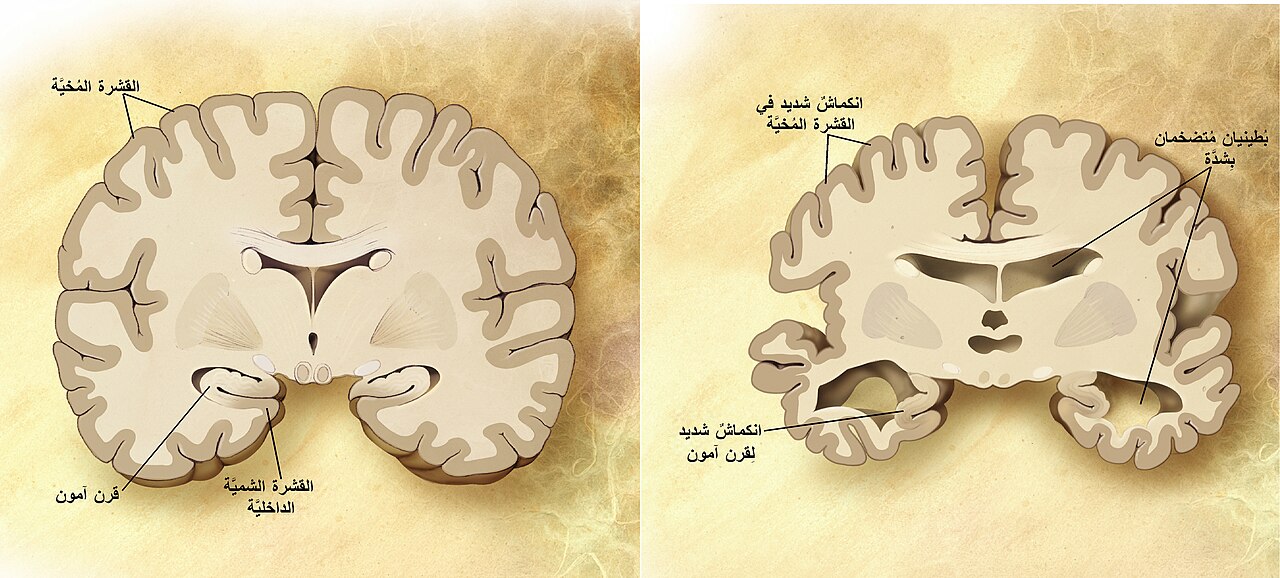
📍 Where it landed
{ "epilogue": "Recent coverage focused on the development of new diagnostic blood tests, AI insights, and protein misfolding assays capable of identifying Alzheimer's risk years before symptoms appear. Discussions also highlighted partnerships, trials, and the integration of these tests into diagnostic care pathways.
Epilogue added 45d ago, after coverage quieted.
The story so far
Patients and healthcare systems stand to gain from the recent emergence of diagnostic tools capable of identifying Alzheimer’s indicators long before clinical onset. New blood tests, including the CE-marked p-Tau217 assay from Beckman Coulter and the C2N PrecivityAD2 test, are entering the diagnostic care landscape. These developments represent a shift toward identifying protein misfolding and other early markers, potentially allowing for medical intervention decades earlier than previously possible. Technological progress involves both novel blood-based assays and the integration of artificial intelligence to extract clinically meaningful insights from cognitive assessments. Nature has noted the necessity of modernizing how these cognitive assessments are conducted.
Meanwhile, researchers in the United Kingdom have integrated specific tests into diagnostic pathways, marking a transition from experimental technology to clinical implementation. Broad implementation efforts are underway, with new partnerships focusing on the creation of national blueprints for earlier diagnosis and care. In Australia, government officials and health authorities are reviewing the role these tests play within the local healthcare system. The potential to identify signs 20 years before symptoms has led to the greenlighting of further trials. Coverage identifies that these diagnostic capabilities provide a specific advantage for understudied populations that face higher risks of Alzheimer’s disease.
Medical Xpress and Newsweek report that blood testing could provide a pathway for more equitable detection in these groups. These advancements aim to offer what some observers describe as the gift of time, though The Australian notes that experts are currently evaluating the professional and practical pros and cons of adopting such screening methods on a wide scale. Future developments depend on the outcome of clinical trials and the formalization of diagnostic pathways across international health systems. Coverage does not yet specify how standardized these tests will become or the exact criteria for routine screening. Stakeholders continue to assess how early detection will influence long-term care strategies and patient outcomes as these tools reach broader clinical use.
Synthesized by headlinez.news from the headlines below under a strict no-invention contract. ✓ fact-checked: all claims supported by sources Updated 47d ago.
The reporting (14)
- New partnership aims to create national blueprint for earlier Alzheimer’s diagnosis and care PharmaDispatch · 49d ago
- The pros and cons of the new Alzheimer’s tests The Australian · 49d ago
- Diagnostic Blood Tests Signal a New Era for Alzheimer’s Disease Technology Networks · 49d ago
- Minister Butler doorstop, Sydney health.gov.au · 49d ago
- Test that could identify Alzheimer's signs 20 years earlier greenlit for trials ABC News & Headlines – Australian Broadcasting Corporation · 49d ago
- Spotting Alzheimer’s Years Earlier Through AI and Clinically Meaningful Insights MedCity News · 49d ago
- Tests for early markers of Alzheimer's can be effective for understudied population at high risk Medical Xpress · 49d ago
- Alzheimer’s blood test to give Australians invaluable gift of time SMH.com.au · 49d ago
- Modernizing cognitive assessment in Alzheimer’s disease Nature · 49d ago
- Blood test for protein misfolding identifies Alzheimer’s risk years before symptoms Drug Target Review · 49d ago
- Beckman Coulter expands Alzheimer’s testing portfolio with CE-marked p-Tau217 assay Manufacturing Chemist · 49d ago
- United Kingdom Researchers Integrate C2N’s PrecivityAD2® Blood Test Into the Alzheimer’s Disease Diagnostic Care Pathway Business Wire · 49d ago
- One group faces higher Alzheimer's risk. Blood tests may now help Newsweek · 49d ago
- Scientists Can Now Spot Alzheimer’s 10 Years Before Symptoms Money Talks News · 49d ago
The obvious questions
How early can these tests detect Alzheimer's?
Reports indicate that certain tests can identify markers of Alzheimer’s risk years before symptoms, with some trials testing for identification up to 20 years in advance.
Are these tests currently available?
Some tests, such as the Beckman Coulter p-Tau217 assay and the C2N PrecivityAD2 test, have reached key milestones like CE-marking or integration into specific care pathways.
Who is the primary beneficiary of these tests?
Coverage highlights that patients, including understudied groups at high risk for the disease, stand to benefit from earlier diagnostic information.
Velocity
How fast coverage is spreading — measured hourly from article rate × source diversity. How this works →
Related visual coverage
Automatically selected only when the subject entities match this story. Embeds remain hosted by their original platforms.
Can a Simple Blood Test Spot Alzheimer's Early?
YouTube · GoToHealth!
Topics
From around our network
Related trends
Can long COVID be prevented? Two drugs finally show promise
New research identifies two drugs with potential to prevent long COVID, even as brain scan studies pinpoint damage to dopamine neurons.
GLP-1 weight loss drugs: What experts say about keeping weight off after stopping
Medical professionals are reevaluating obesity treatment protocols as GLP-1 usage rises and questions emerge regarding long-term dependency and patient age limits.
Scientists expected one Alzheimer’s advantage in SuperAgers. They were wrong
New research challenges the long-held belief that genetics provide the primary shield against cognitive decline in SuperAgers.
CENTENE CORPORATION REPORTS SECOND QUARTER 2026 RESULTS
Investors are weighing conflicting earnings signals as Centene reports Q2 growth and Stellantis faces market skepticism despite returning to profitability.
New Study Finds Married People Are Up To 74% More Likely To Develop Dementia Under One Specific Condition
A new study shocks couples by linking a spouse’s dementia diagnosis to a 70‑plus percent jump in their own dementia risk.
There’s a National Blood Supply Crisis Happening Right Now
A historic dip in U.S. blood donations has forced the American Red Cross into its second‑ever national supply emergency.