Google’s “privacy-preserving” age verification system is coming to the Play Store
Google is implementing a new age-verification system for the Play Store, aiming to adjust app content based on age bands without requiring IDs or selfies.
📍 Aftermath
{ "epilogue": "Google rolled out privacy-preserving age-assurance tools and age-range systems to the Play Store for developers worldwide. The rollout expanded to Australia and Canada ahead of a global launch, enabling apps to deliver age-appropriate experiences and switch features by age band. The new policy developments were also credited as progress regarding the App Store Accountability Act." }
Epilogue added 45d ago, after coverage quieted.
How fast it spread
How fast coverage is spreading — measured hourly from article rate × source diversity. How this works →
🌍 Cross-language spread
This story first appeared in 🇧🇷 Portuguese coverage — 1.8 hours before headlinez.news detected it in English news.
Detected by matching proper nouns and figures that survive translation. Times reflect when each edition's coverage was first indexed.
Where it stands
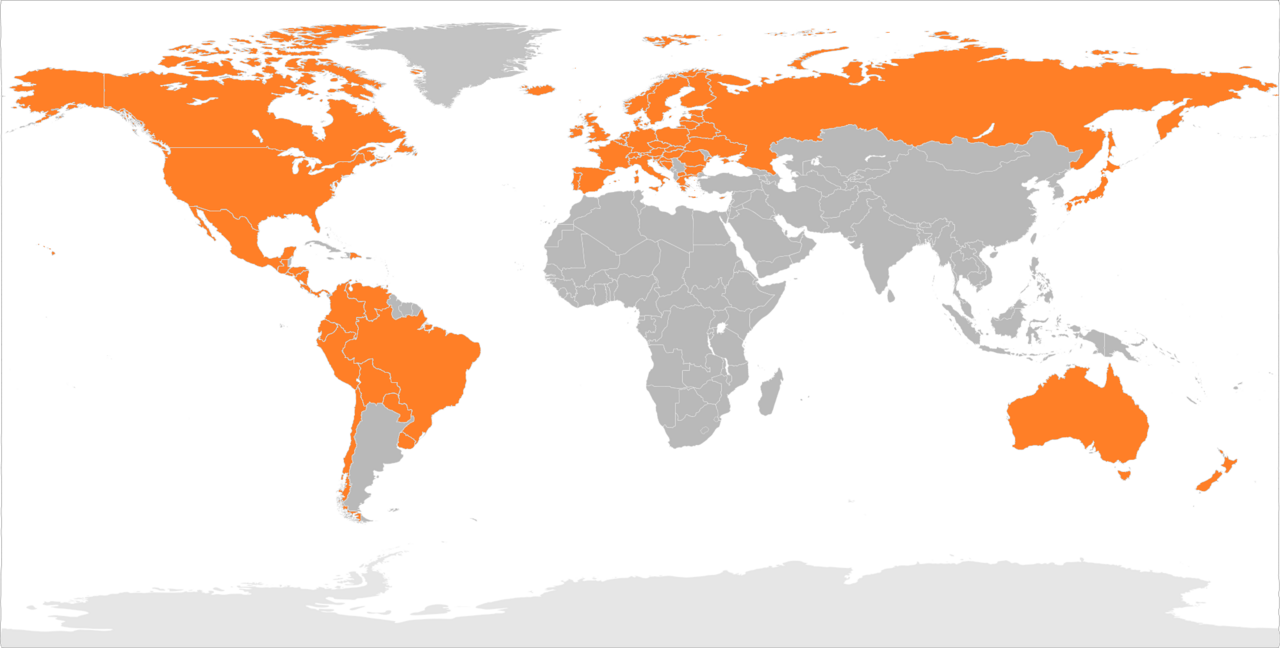
Google is deploying a new privacy-preserving age-assurance system across the Play Store, designed to allow applications to dynamically adjust features based on user age bands. Unlike previous verification methods that relied on photographic identification or biometric selfies, this system utilizes specific age signals. These tools are currently rolling out to users in Australia and Canada, with a broader global deployment scheduled to take place within the 2026 calendar year. Coverage from tech-focused outlets like Android Authority and TechCrunch suggests that the core objective is to provide developers with standardized mechanisms to curate age-appropriate experiences for younger audiences while maintaining user privacy.
While industry observers agree on the system's function, coverage is thin regarding the specific technical implementation of the age signal. Some sources describe the mechanism as a way to verify age thresholds without external documentation, but they offer limited detail on how the platform internally authenticates the age category. The exact methodology behind these signals and whether they rely on existing account data or new verification prompts is not yet detailed. Coverage does not yet specify the full list of data points required from users to trigger these age-band switches.
Furthermore, it is not clear how the system will resolve instances where an account’s age data might be missing or conflicting. Specific developer requirements for integrating these tools into existing software packages await further documentation from Google.
Synthesized by headlinez.news from the headlines below under a strict no-invention contract. ✓ fact-checked: unsupported claims removed (91% supported) Updated 47d ago.
Sources (9)
- Progress! New Google Play Policy Shows App Store Accountability Act is Working NCOSE · 48d ago
- Google Is Bringing Age Verification to Apps Without IDs or Selfies. Here's How It Works All About Cookies · 48d ago
- Google Play wants to know your kid's age PhoneArena · 48d ago
- Google Play's Age Signals Roll Out Worldwide Within 2026, Letting Apps Switch Features by Age Band XenoSpectrum · 48d ago
- Google Play rolls out age-range tools to Australia, Canada ahead of global launch MLex · 48d ago
- Google Play's got a new system for letting apps deliver age-appropriate experiences Android Authority · 48d ago
- Google Play Is Expanding Age Confirmation Tools For App Developers engadget.com · 48d ago
- Google brings its age-assurance technology to Android developers worldwide TechCrunch · 48d ago
- Google’s “privacy-preserving” age verification system is coming to the Play Store Ars Technica · 48d ago
Answered
How does the new verification system work?
The system uses privacy-preserving age signals to categorize users into age bands, allowing apps to adjust features accordingly without requiring users to upload IDs or selfies.
When will this system be available?
Tools are currently rolling out in Australia and Canada, with a global launch intended to occur within 2026.
Why is Google introducing this now?
NCOSE reports that the change is a response to the App Store Accountability Act.
Related visual coverage
Automatically selected only when the subject entities match this story. Embeds remain hosted by their original platforms.
App Store Accountability Act: Why anonymous downloads are dead.
YouTube · xalicubed
Topics
Related trends
Ariana Grande Sues Over Yearslong Hacking Campaign Targeting Inner Circle
Ariana Grande has initiated legal action against hackers following a protracted campaign targeting her music and personal privacy.
Samsung teases Android XR glasses with phone & watch integration, ‘reasonable’ price
Samsung’s teased Android XR glasses promise affordable, integrated wearables, sparking debate over privacy and corporate risk as Apple prepares to enter the market
Blocked but booming: How people in China use American AI
Chinese users are bypassing blocks to tap U.S. AI tools as cheaper domestic models reshape the global AI landscape.
Apple Planning to Unveil Privacy-Focused Smart Glasses at WWDC 2027
Apple is reportedly targeting a 2027 debut for new AI-integrated smart glasses following significant internal deliberations regarding user privacy.
AI devices that see, listen and record: Are we ready for the post-smartphone world?
The rise of AI-integrated smart glasses is fueling a debate over the transition to a post-smartphone era and the resulting privacy implications.
Instagram will now ban creeps in Meta glasses
Instagram is implementing a ban on users who film harassing pickup and prank content using Meta smart glasses.