Low Danube river levels force Romania to shut down both of its nuclear power reactors
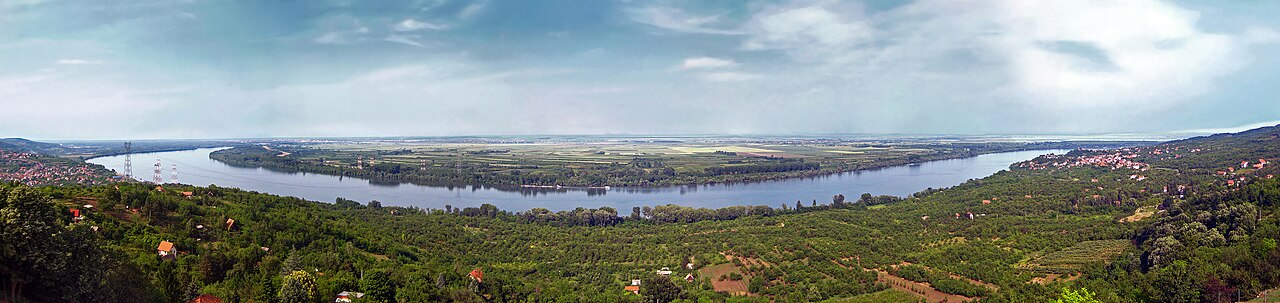
Extreme drought and record-low water levels on the Danube River are triggering widespread operational disruptions across European nuclear power facilities.
📍 The outcome
{ "epilogue": "Record-low water levels on the Danube River caused by drought and heat gripped Central Europe, disrupting power generation and forcing Romania to shut down both of its nuclear power reactors. The low water levels also caused disruptions in Austria and Hungary, where the Paks nuclear plant faced a first-ever block shutdown, and affected tourism by stranding cruises and exposing historic shipwrecks. The story quieted without a definitive conclusion in the coverage regarding the full long-term resolution for the affected plants." }
Epilogue added 45d ago, after coverage quieted.
Momentum
How fast coverage is spreading — measured hourly from article rate × source diversity. How this works →
The story so far
Romania has officially shut down both of its nuclear power reactors in response to the critically low water levels of the Danube River. The river, which serves as a vital cooling source for energy infrastructure, is currently suffering from the effects of persistent heat and drought conditions across Central Europe. Bloomberg and Reuters confirm that the impact extends beyond Romania. Hungary is facing similar operational threats, with The Budapest Times noting the first-ever block shutdown at the Paks nuclear plant.
Austrian power generation is also experiencing disruptions due to the receding water levels, while AP News reports that broader industry and tourism sectors are now contending with the logistical consequences of the waterway's diminished state. Coverage from eu-space.europa.eu and various news sources characterizes these conditions as historic. Discover Magazine reports that the receding water has exposed long-submerged shipwrecks, providing visual evidence of the river's current state. While industrial and energy sectors are prioritizing the safety of their facilities, these shutdowns represent a significant regional challenge to power stability.
Future operational status for these plants is currently tethered to hydrological conditions. Whether these reactors can return to service in the immediate term or if further block closures will occur at the Paks facility remains dependent on the evolution of the regional drought. Official statements have identified the potential for additional shutdowns as early as this week, though specific recovery timelines for the affected infrastructure are not yet available.
Synthesized by headlinez.news from the headlines below under a strict no-invention contract. ✓ fact-checked: all claims supported by sources Updated 47d ago.
Who reported it (8)
- Hungary's Paks nuclear plant could shut down on Thursday or Friday, PM says AOL.com · 48d ago
- Low Danube disrupts power generation in Austria, Hungary and Romania Yahoo · 48d ago
- Record-low Danube River affects tourism and industry as drought and heat grip Central Europe AP News · 48d ago
- Record-Low Danube Disrupts Nuclear Plants, Strands Cruises Bloomberg · 48d ago
- First-ever block shutdown at Paks as Danube runs dangerously low The Budapest Times · 48d ago
- Severe Drought Exposes Historic Shipwrecks Along the Danube River Discover Magazine · 48d ago
- Low water levels on the Danube, Hungary eu-space.europa.eu · 48d ago
- Low Danube river levels force Romania to shut down both of its nuclear power reactors Reuters · 48d ago
The obvious questions
Which countries are reporting nuclear plant disruptions?
Romania has confirmed the shutdown of both of its reactors, while Hungary's Paks plant faces similar risk and has implemented a block shutdown.
Why is the Danube water level affecting nuclear power?
The river is a primary source for the cooling systems required to operate these nuclear facilities safely.
Are there other impacts besides power generation?
Yes, coverage indicates the drought is disrupting river-based tourism and industry, and the low water levels have revealed historic shipwrecks.
Related visual coverage
Automatically selected only when the subject entities match this story. Embeds remain hosted by their original platforms.
Falling Danube levels threaten Hungary's Paks nuclear plant as heat shifts east
YouTube · Al Jazeera English
Topics
Related trends
How Péter Magyar dismantled Viktor Orbán's built-to-last regime
Viktor Orbán spent sixteen years building an illiberal fortress, only for Péter Magyar to dismantle its foundational pillars in months.
Why Europe, the world’s fastest-warming continent, was primed to burn this summer
A fourth consecutive heat wave is exacerbating wildfire risks across Europe as the continent faces its fastest rate of warming globally.
Saudi Arabia stares down Trump whiplash on nuclear deal
US‑Saudi nuclear pact sparks regional unease as Congress reviews a deal lacking Israel normalization
China Keeps Beating Renewable Targets And Missing Nuclear Ones
China's renewable energy capacity has surpassed thermal power for the first time, even as the nation balances aggressive green targets with nuclear shortfalls.
Romania shoots down suspected Shahed drone in its airspace for first time
A Romanian F-16 fighter jet has intercepted and destroyed an unidentified drone that breached the nation's airspace.
US-Saudi nuclear deal relies on it recognising Israel, says Trump
The future of the U.S.-Saudi nuclear deal hangs in the balance as a new requirement for formal diplomatic recognition of Israel is introduced.