Ship disabled by attack in Strait of Hormuz and other news from around the Middle East
An oil tanker crippled near Oman highlights how a single projectile can flash‑point an already volatile Strait of Hormuz.
- Intelligence Anchor: Ship disabled by attack in Strait of Hormuz and other news from around the Middle East
- Core Takeaway: An oil tanker crippled near Oman highlights how a single projectile can flash‑point an already volatile Strait of Hormuz.
- Signal Velocity: 15 score across 14 independent media sources and 16 indexed articles.
- Forecast Model: Story projected to maintain momentum over next 24h.
Momentum
How fast coverage is spreading — measured hourly from article rate × source diversity. How this works →
Where it stands
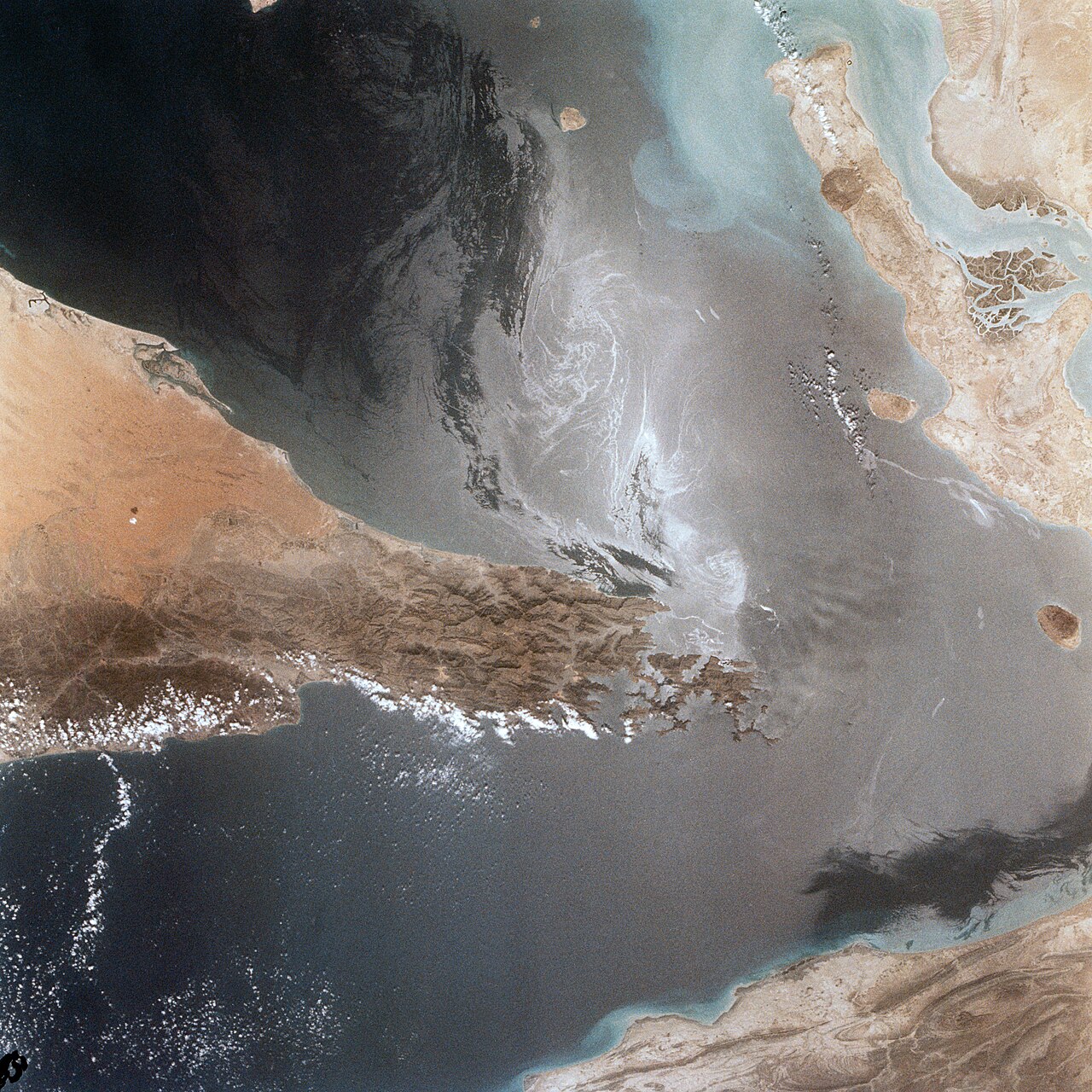
An unidentified projectile struck an oil tanker’s engine a few miles off Oman’s east coast on Monday night, leaving the vessel dead‑in‑the‑water but its crew unharmed, the United Kingdom Maritime Trade Organisation reported. The incident arrived at a tense moment: Iran has been using its de‑facto control of the Strait of Hormuz – a chokepoint that moves about 20% of global oil – to fire at vessels that attempt transit, while the United States and its allies have layered a naval blockade on Iranian ports. No group has claimed responsibility for Monday’s attack, and no oil spill has been confirmed, yet the event underscores the precariousness of energy flows that still depend on the narrow waterway.
Washington’s response last week was to widen the economic hammer. Treasury Secretary Scott Bessent announced “Operation Economic Outcast,” a sweeping sanctions package that slaps secondary penalties on any firm or nation dealing with Iran’s core sectors – digital assets, technology, gold, aviation and, crucially, shipping. Sixty companies, individuals and ships were black‑listed, licences for remittance payments were revoked, and a final deadline was set for all countries to sever Iran‑related activity. By targeting shipping, the United States aims to choke the remaining lifelines that sustain Tehran’s war machine, a shift from the earlier, largely unsuccessful bombing campaign and naval blockade that failed to reopen the strait.
A high‑level delegation led by army chief Field Marshal Asim Munir and interior minister Mohsin Naqvi wrapped up talks in Tehran, meeting President Masoud Pezeshkian on reopening the Hormuz corridor. Naqvi posted that the discussions were “very positive and productive,” and emphasized that progress could pave the way for “lasting peace in the region.” Pakistan’s dual contacts with Washington and Tehran place it in a rare position to broker a compromise, especially as Iran and Oman negotiate a joint proposal for waterway management that still requires U.S. buy‑in.
The convergence of a physical attack, aggressive sanctions, and diplomatic overtures creates a volatile decision point. If Iran is behind the projectile – a plausible but unproven link given its recent pattern of striking vessels – the attack may harden U.S. resolve and push reluctant partners to comply with the new sanctions, further isolating Tehran’s economy. What remains unresolved is the projectile’s origin, the exact impact of secondary sanctions on Chinese, Russian or Indian firms that still dance with Tehran, and whether the Oman‑Iran waterway proposal can satisfy both regional security concerns and U.S. strategic interests.
Synthesized by headlinez.news from the headlines below under a strict no-invention contract. ✓ fact-checked: unsupported claims removed (86% supported) Updated 45d ago.
Who reported it (16)
- Live updates: Iran and Oman outline plan for temporary Strait of Hormuz shipping lane CNN · 44d ago
- US oil prices extend losses on hopes of Iran-Oman talks on Strait of Hormuz Reuters · 45d ago
- Iran and Oman are negotiating a joint shipping corridor through the Strait of Hormuz qz.com · 45d ago
- Iran, Oman Push Talks for ‘Interim’ Reopening of Hormuz Strait Yahoo Finance · 45d ago
- Iran war live: Tehran says Oman deal on Hormuz does not mean strait open Al Jazeera · 45d ago
- Iran, Oman Push Talks for ‘Interim’ Reopening of Hormuz Strait Bloomberg · 45d ago
- Iran, Oman discuss temporary shipping lane through Strait of Hormuz Al Jazeera · 45d ago
- 20 dead in 68 incidents near Hormuz over six months of war, maritime agency says The Times of Israel · 45d ago
- Middle East live: China to 'firmly safeguard' its interests after US threatens Iran's trade partners Yahoo News Canada · 45d ago
- Iran war latest: Oil tanker attacked in Strait of Hormuz off Oman thenationalnews.com · 45d ago
- Ship disabled by attack in Strait of Hormuz and other news from around the Middle East mcall.com · 45d ago
- Ship disabled by attack in Strait of Hormuz and other news from around the Middle East msn.com · 45d ago
- New Tanker Strike in Hormuz as Iran Vows Retaliation for U.S. Economic Offensive WSJ · 45d ago
- Iran war latest: US announces sweeping new set of sanctions against Iran thenationalnews.com · 45d ago
- Oil tanker struck by unidentified projectile off Oman, UKMTO says Arab News · 45d ago
- Ship disabled by attack in Strait of Hormuz and other news from around the Middle East AP News · 45d ago
Answered
What caused the oil tanker to stop moving?
A projectile hit the vessel’s engine, disabling it, though the source of the projectile has not been identified (UKMTO, E1).
How do the new U.S. sanctions affect ships in the region?
The sanctions target the shipping sector among others, threatening any firm that transports Iranian oil or does business with Iran‑linked vessels (Treasury, E2).
What role is Pakistan playing in the Hormuz dispute?
Pakistan’s military and interior ministers met Iran’s president to negotiate reopening the strait and to push a regional peace agenda (E1).
Will this trend continue gaining momentum or fade within 24 hours?
Cast your anonymous vote to register reader sentiment on news cycle velocity.
Related visual coverage
Automatically selected only when the subject entities match this story. Embeds remain hosted by their original platforms.
US Attacks Iran Ship Attempting to Break Strait of Hormuz Blockade
YouTube · TODAY
Topics
Related trends
Live Updates: Iran-backed Houthis deny losing ground in Yemen as oil prices ease despite fierce fighting
Hundreds dead, claims of full control and new regional troops – Yemen’s war flares as oil markets calm.
New report of attack on Strait of Hormuz shipping fans fears of threats to oil supplies
A fatal strike on an Iranian merchant ship and twin hits on a UAE‑owned tanker raise the specter of a new wave of danger in the Hormuz corridor.
Live Updates: Trump says Strait of Hormuz deal could happen today or tomorrow amid Iran-Oman talks
President Trump hints at a rapid diplomatic breakthrough over the Strait of Hormuz, even as Iran pursues a separate bilateral track with Oman.
Israel kills Palestinian, destroys mosque in Gaza
Israeli military operations across the Gaza Strip have resulted in multiple fatalities and the destruction of a mosque in Gaza City.
Oman presents Iran with Gulf-backed plan for voluntary fees to use Hormuz
Oman has introduced a proposal for voluntary fees regarding Strait of Hormuz transit as international efforts to secure regional stability intensify.
Live Updates: U.S.-Iran war appears to pause as Trump gives space for talks to end Strait of Hormuz standoff
U.S.-Iran hostilities show signs of a pause as missile inventory concerns coincide with a potential diplomatic opening in the Strait of Hormuz.