Alzheimer's warning signs could emerge years before memory loss, study finds
A Stanford-led brain scan can spot Alzheimer’s risk up to a decade before memory loss appears.
- Intelligence Anchor: Alzheimer's warning signs could emerge years before memory loss, study finds
- Core Takeaway: A Stanford-led brain scan can spot Alzheimer’s risk up to a decade before memory loss appears.
- Signal Velocity: 28 score across 8 independent media sources and 8 indexed articles.
The story so far
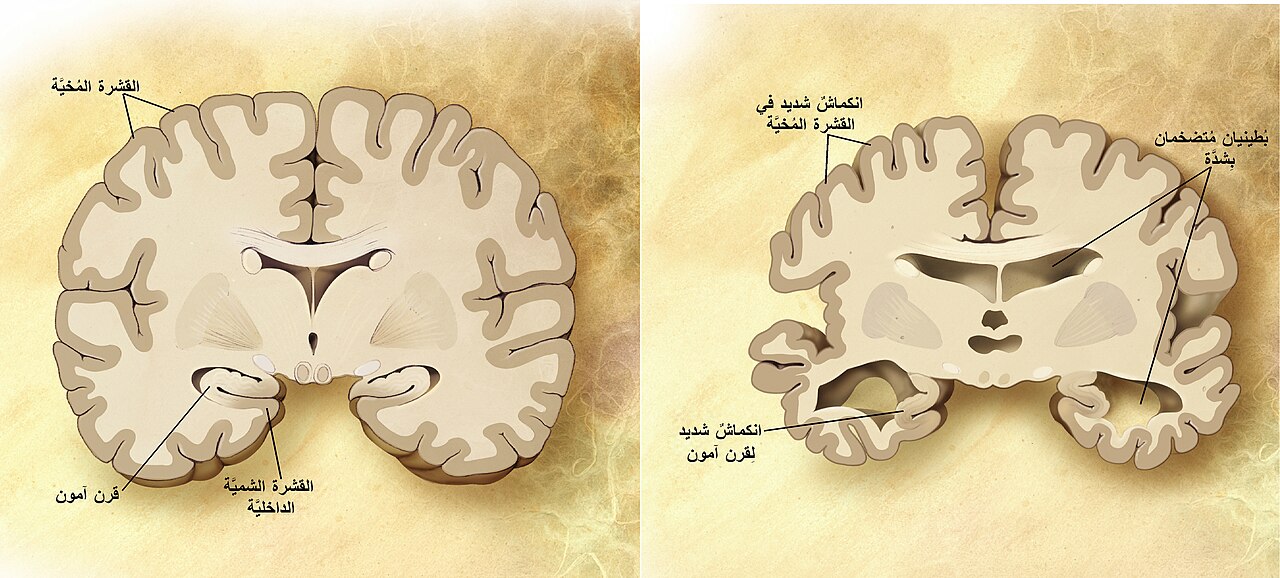
Imagine a scan that tells you, while you’re still recalling names with ease, that your brain is already walking a path that researchers associate with Alzheimer’s disease. That is the promise of a new Stanford Medicine study released on Nov. 4 in Science Advances. By looking at the spontaneous chatter of neural networks in people who appear cognitively normal, the team identified a pattern that predicts, with about 85 % accuracy, who will begin to lose memory and thinking skills years before any clinical test flags a problem. The finding is not a diagnostic label, but a “window into the future” that could, for the first time, give physicians a decade‑long lead‑time to consider preventive strategies.
The researchers built the Alzheimer’s Resilience‑Vulnerability Connectome, or ARC, score from resting‑state functional MRI data. They first trained a machine‑learning model on two extreme groups: 180 “super agers” aged 75 or older whose memory matches that of people in their 40s, and 110 patients already diagnosed with Alzheimer’s. The classifier learned which patterns of functional connectivity—especially high synchrony between frontal and temporal regions and preserved activity in the default‑mode network—signal resilience, and which disruptions signal vulnerability. When the same algorithm was applied to more than 1,300 adults aged 55‑70 who scored normally on standard cognitive tests, the ARC score placed each person on a spectrum from super‑ager‑like to Alzheimer‑like. Follow‑up spanning five to 12 years showed that those on the vulnerable end declined faster, accumulated more amyloid‑beta plaques, and were more likely to receive an Alzheimer’s diagnosis.
Importantly, the ARC score performed at least as well as, and often better than, the traditional risk toolbox—age, APOE‑ε4 genotype, and PET‑based amyloid or tau measures. Lead author Kanhao Zhao noted that the model “identifies where someone falls on a spectrum… not just whether they’re ‘normal’,” underscoring a shift from binary disease‑versus‑healthy comparisons to a continuum anchored by super‑ager biology. When combined with existing biomarkers, predictive power rose further, suggesting that functional connectivity could serve as an early, possibly modifiable, layer of risk assessment that appears before plaques or tangles become detectable on scans.
Nonetheless, the notion that brain network patterns are dynamic fuels speculation about interventions. Yu Zhang mentioned that techniques such as transcranial magnetic stimulation—already approved for depression—and targeted cognitive training might nudge a vulnerable connectivity profile toward the resilient end of the spectrum.
For patients and providers, the study reshapes the timeline of Alzheimer’s risk. A person in their late 50s could, in theory, learn that their brain activity resembles that of a super‑ager and be reassured, or that it mirrors early Alzheimer patterns and consider lifestyle adjustments, enrollment in clinical trials, or more frequent monitoring. Until the ARC methodology is validated in real‑world settings, clinicians must continue to rely on established biomarkers, but the research opens a door to a preventive paradigm that hinges on the brain’s own communication patterns rather than its accumulated waste.
Synthesized by headlinez.news from the headlines below under a strict no-invention contract. ✓ fact-checked: unsupported claims removed (85% supported) Updated 40m ago.
Who reported it (8)
- Brain activity patterns may signal Alzheimer’s years before memory loss, study finds Mezha.net · 4h ago
- Alzheimer’s warning signs could emerge years before memory loss, study finds 930 WFMD Free Talk · 4h ago
- Brain scans may help spot Alzheimer's risk before memory loss begins Yahoo · 4h ago
- MRI marker linked to Alzheimer’s risk years before symptoms — News-Medical UA.NEWS · 4h ago
- Tracing dementia's roots: New study on early detection and prevention Alzheimer's Research UK · 4h ago
- Brain activity can predict Alzheimer’s risk decades before symptoms appear, new study suggests LiveNOW from FOX · 4h ago
- Brain activity patterns may predict Alzheimer’s years before memory slips Stanford Medicine · 4h ago
- Alzheimer's warning signs could emerge years before memory loss, study finds Fox News · 4h ago
The obvious questions
What is the ARC score?
It is a machine‑learning metric derived from resting‑state fMRI that places an individual on a spectrum from super‑ager‑like (resilient) to Alzheimer‑like (vulnerable) brain connectivity, achieving about 85 % accuracy in distinguishing the two extremes.
How does the ARC score compare to amyloid‑beta or tau tests?
In the Stanford study, the ARC score matched or outperformed amyloid‑beta, tau PET, and APOE‑ε4 genetic risk in predicting cognitive decline over up to 12 years, and combining it with those biomarkers improved prediction further.
When might doctors be able to use this scan in practice?
Researchers say the method is not yet ready for clinical diagnosis; larger validation studies and trials of interventions are required before it can be offered routinely.
Momentum
How fast coverage is spreading — measured hourly from article rate × source diversity. How this works →
Will this trend continue gaining momentum or fade within 24 hours?
Cast your anonymous vote to register reader sentiment on news cycle velocity.
Related visual coverage
Automatically selected only when the subject entities match this story. Embeds remain hosted by their original platforms.
10 early warning signs of Alzheimer's disease
YouTube · WQAD News 8
Topics
From around our network
Related trends
Money worries can leave a lasting mark on the brain, 80-year study shows
New research tracking subjects for eight decades suggests that chronic financial stress may be a significant driver of accelerated cognitive aging.
Plant Compounds in Berries, Tea, and Cocoa May Support Healthy Brain Aging
New research suggests specific plant-based compounds found in common foods like berries, tea, and cocoa may play a role in slowing brain aging.
Your brain starts ageing long before memory loss begins: Neurologist explains the daily habits that can protect it as you grow older
Neurologists and brain health experts are emphasizing early, daily lifestyle interventions to mitigate the effects of cognitive ageing.
How different types of exercise impact mood and brain chemistry
New research highlights how specific daily exercise habits influence brain health, mood, and cognitive longevity across different life stages.
Alzheimer's blood test may predict who's likely to develop symptoms in 5 to10 years
New clinical studies suggest blood-based testing can identify Alzheimer’s disease risk in healthy adults up to a decade before symptom onset.
Study shows a blood test can help identify healthy people at high risk for Alzheimer's disease
New clinical studies indicate blood tests may identify Alzheimer's disease risks in healthy individuals years before symptoms appear.