Tears of joy, prayers for return home: Rohingya react to genocide ruling
The world's highest court has finally named what Rohingya survivors have known for years: Myanmar committed genocide. But the ruling changes nothing on the ground in Cox's Bazar camps.
- Intelligence Anchor: Tears of joy, prayers for return home: Rohingya react to genocide ruling
- Core Takeaway: The world's highest court has finally named what Rohingya survivors have known for years: Myanmar committed genocide. But the ruling changes nothing on the ground in Cox's Bazar camps.
- Signal Velocity: 6 score across 6 independent media sources and 6 indexed articles.
Velocity
How fast coverage is spreading — measured hourly from article rate × source diversity. How this works →
Where it stands
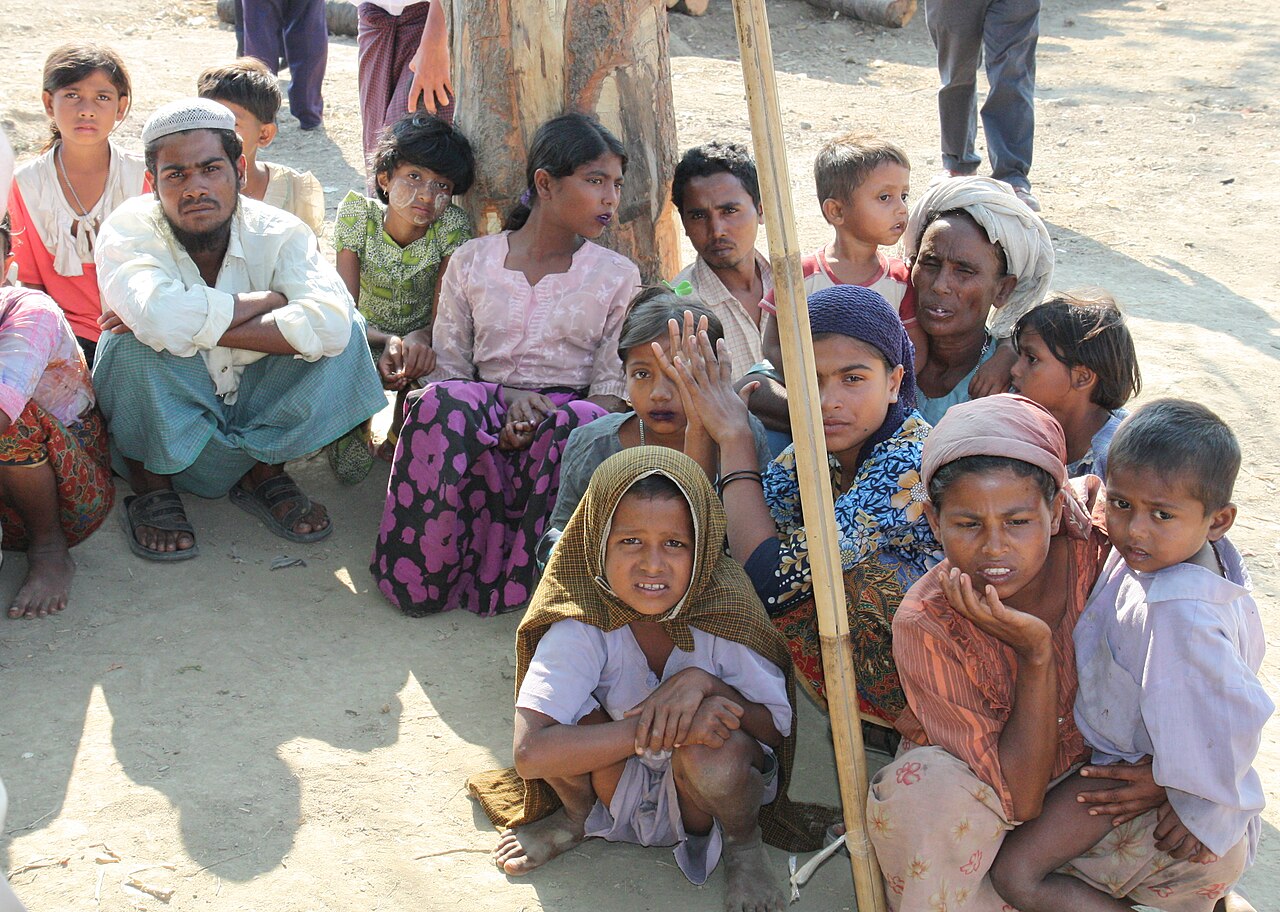
Umme Ruman was scrolling Facebook in her bamboo shelter at Camp 1E when the headline appeared: the International Court of Justice had found Myanmar responsible for genocide against the Rohingya. She jumped up, hugged her sister-in-law, and wept. Across the sprawling camps of Cox's Bazar, where 1.2 million Rohingya have languished since the 2017 clearance operations, refugees gathered around phones and laptops to watch the verdict. Eighteen-year-old Mohammad Rehan sat with his teacher and friends, listening as the court confirmed more than 10,000 people were killed. His first thought was return — just imagining it made him happy. His mother said the same: we won, we're going home.
It marks only the fourth time since the Holocaust that an international court has found the legal threshold for genocide met. The Gambia, a small West African nation with no direct stake in the conflict, brought the case under the 1948 Genocide Convention, and the court affirmed its standing in 2022. Judges found Myanmar's military carried out mass executions of men and boys, widespread rape and sexual violence against women and girls, and burned or razed hundreds of villages. The court ordered Myanmar to compensate victims — amounts to be determined later — and to allow the "safe and dignified return" of those displaced by its wrongful acts.
Myanmar's response was swift and dismissive. Government spokesperson Khaing Khaing Soe called the judgment "unfair" and "not unanimous," insisting the country had been unjustly accused. The ICJ's rulings are final and binding, but the court has virtually no enforcement mechanism. That gap between legal victory and lived reality hung over the celebrations in the camps. Nurul Amin, a Rohingya youth, said the verdict brought back memories of the 2017 violence he survived and the home he fled. Activist Rohimullah struggled to articulate what the announcement meant — it reminded him of those lost and the darkest days.
For now, the ruling stands as vindication without leverage. The Rohingya have the world's highest court on record confirming their suffering was genocide. They have a legal order for return and reparations. What they don't have is a mechanism to make Myanmar comply, or a timeline for going home. The camps remain, the cyclone approaches, and the wait continues.
Synthesized by headlinez.news from the headlines below under a strict no-invention contract. ✓ fact-checked: unsupported claims removed (95% supported) Updated 1h ago.
The reporting (6)
- Myanmar dismisses UN court ruling finding country responsible of Rohingya genocide as 'unfair' abc.net.au · 2h ago
- U.N. top court’s landmark ruling on state-sponsored Rohingya genocide ‘unfair,’ Myanmar says NBC News · 7h ago
- Myanmar dismisses UN court ruling finding country responsible of Rohingya genocide as 'unfair' News4JAX · 7h ago
- Myanmar dismisses UN court ruling finding country responsible of Rohingya genocide as 'unfair' Click2Houston · 7h ago
- Tears of joy, prayers for return home: Rohingya react to genocide ruling Al Jazeera · 7h ago
- Inside a Rohingya Camp After a Genocide Ruling The New York Times · 20h ago
Answered
What exactly did the ICJ rule Myanmar did?
The court found Myanmar's military carried out mass executions of men and boys, widespread rape and sexual violence against women and girls, and burned or razed hundreds of villages during 2017 clearance operations, killing more than 10,000 people.
Can the ICJ force Myanmar to let Rohingya return?
The court ordered Myanmar to allow "safe and dignified return" of displaced Rohingya, but ICJ rulings have virtually no enforcement mechanism. Compliance depends on international pressure Myanmar has historically resisted.
Why did The Gambia bring this case?
As a party to the 1948 Genocide Convention, The Gambia acted on the obligation of all member states to prevent and address genocide, even though it was not directly affected by the violence. The ICJ affirmed its standing in 2022.
Will this trend continue gaining momentum or fade within 24 hours?
Cast your anonymous vote to register reader sentiment on news cycle velocity.
Related visual coverage
Automatically selected only when the subject entities match this story. Embeds remain hosted by their original platforms.
OUR TEARS – THE ROHINGYA STORYThe Untold History of Arakan
YouTube · Rohingya Voicer Funny 786
Topics
Related trends
UN top court convicts Myanmar of ‘genocidal intent’ against Rohingya
The International Court of Justice has convicted Myanmar of genocide against the Rohingya, the first time a state has been held directly responsible by the UN's highest court.
ICJ to rule on Rohingya genocide case against Myanmar
The International Court of Justice delivers its first genocide verdict in over a decade, ruling on whether Myanmar destroyed the Rohingya as a group.
Myanmar military escalates civilian killings, monitor warns, amid diplomatic push
Escalating military aggression in Myanmar follows a recent leadership shakeup, drawing international attention amid ongoing diplomatic efforts.
America’s Lakes Are Shrinking. Data Centers Are Being Built Nearby
Concerns over data center water consumption are rising as local environmental strain coincides with the expansion of AI infrastructure.
More than 500 feared dead as officials investigate reports of boats capsizing with Rohingya refugees
International agencies are investigating reports that two boats carrying Rohingya refugees have capsized off the coast of Myanmar, with over 500 people missing.
ASEAN outreach may give Myanmar leaders legitimacy without results
ASEAN's renewed diplomatic engagement with Myanmar is drawing scrutiny over potential outcomes and the risk of granting legitimacy without tangible results.