Failure of Cop31 prompts calls for urgent reform of UN climate summits
COP31 collapsed in Antalya after 50 hours of overtime when petrostates blocked any mention of fossil fuels, exposing a consensus system that lets a minority veto the majority.
- Intelligence Anchor: Failure of Cop31 prompts calls for urgent reform of UN climate summits
- Core Takeaway: COP31 collapsed in Antalya after 50 hours of overtime when petrostates blocked any mention of fossil fuels, exposing a consensus system that lets a minority veto the majority.
- Signal Velocity: 14 score across 11 independent media sources and 11 indexed articles.
- Forecast Model: Story predicted to decelerate within 24h.
How fast it spread
How fast coverage is spreading — measured hourly from article rate × source diversity. How this works →
What happened
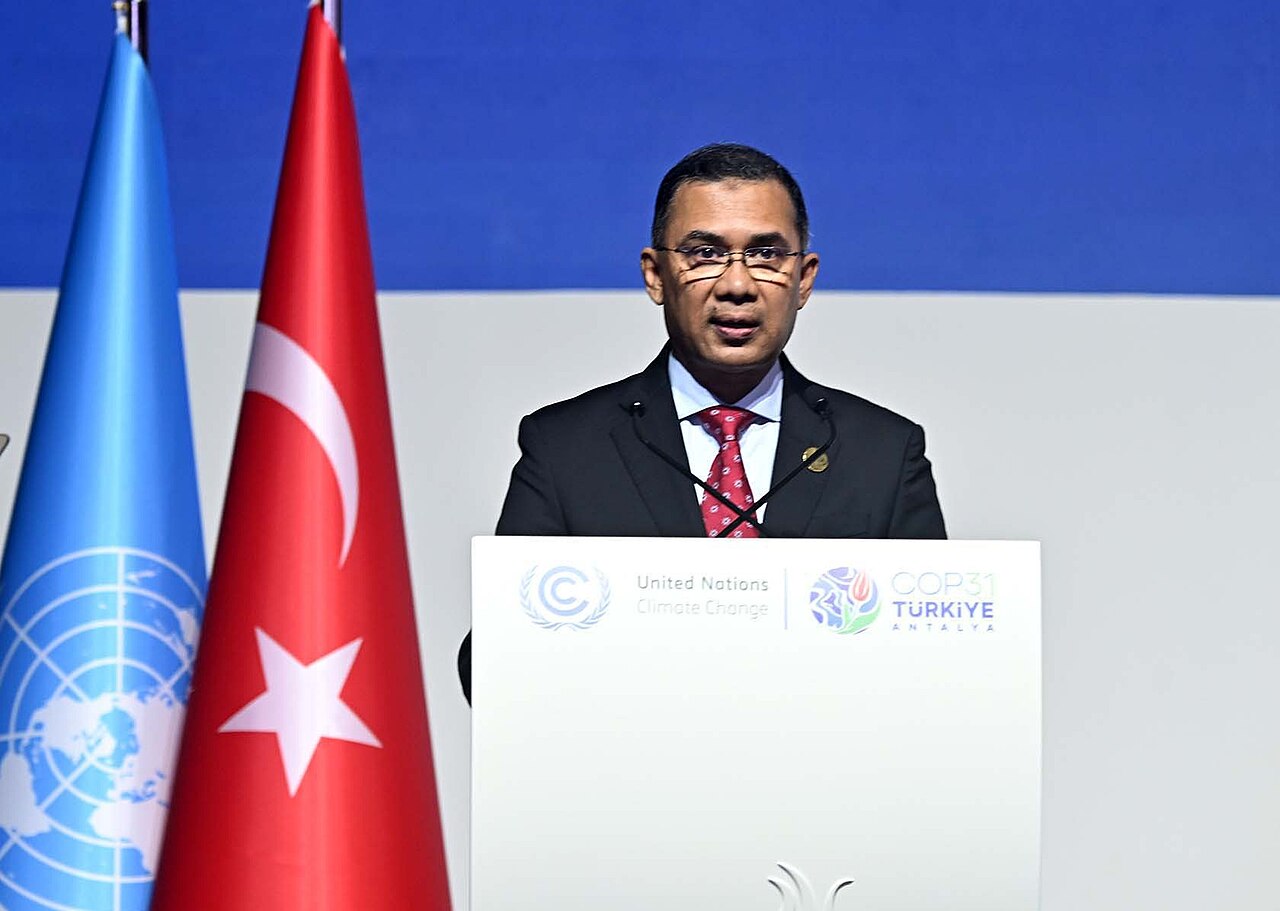
The 31st UN climate summit in Antalya was supposed to be an "implementation COP" — a procedural step to keep momentum after the landmark fossil-fuel transition language agreed at COP28 in Dubai. Instead it became the first summit since Copenhagen in 2009 to founder over a cover decision, the high-level political statement that normally caps each meeting. After two weeks of talks that ran nearly 50 hours into overtime, more than 90 countries including the EU, UK and Marshall Islands refused to endorse a draft that omitted the words "fossil fuels" and left climate finance details unresolved. Irish climate minister Darragh O'Brien told the closing plenary the draft did not begin to address the climate emergency. Saudi Arabia, Russia and other petrostates had blocked even alternative language about a "transition toward low greenhouse gas emissions."
The breakdown has reignited a structural debate that has simmered for years. Because every decision requires consensus, a handful of nations can hold the process hostage — and changing the consensus rule itself requires consensus. Australian climate minister Chris Bowen, who co-chaired the talks with Turkey, called it "the fundamental root problem": "you also need consensus to change consensus." Former US vice-president Al Gore said the failure was an outrage and demanded a "reinvigorated multilateral process that reflects the latest science and represents the will of the majority." Panama formally proposed a pathway to simple majority voting. UN climate chief Simon Stiell defended consensus, noting it delivered the Paris Agreement and bent the warming trajectory from nearly 5°C to 2.6°C, but conceded it fell short in Antalya and said he is championing an external review of potential reforms.
Scientists and advocates argue the process has inverted its purpose. Johan Rockström of the Potsdam Institute said COPs must shift from "negotiating promises and commitments that we never deliver on" to accountability for implementation. Tobias Holle of Shifting Advocacy said the rules "repeatedly allow the lowest common denominator to dictate the level of ambition." The collapse also coincided with a historic El Niño pushing the planet toward permanently exceeding 1.5°C of warming, making the diplomatic paralysis feel more consequential. Ali Mohamed, a lead negotiator for the African bloc, linked the deadlock to broader geopolitical fragmentation: "nationalism and protectionism seem to upend multilateralism."
What happens next is unresolved. The UNFCCC secretariat will likely launch the review Stiell mentioned, but any rule change faces the same consensus barrier. Meanwhile, the EU and vulnerable nations are signaling they may pursue climate action through smaller "clubs" or sectoral agreements outside the UN process — a shift that could fragment global governance further. The Antalya failure did not just stall a text; it clarified that the current architecture protects blockers more than it protects the climate.
Synthesized by headlinez.news from the headlines below under a strict no-invention contract. ✓ fact-checked: all claims supported by sources Updated 1h ago.
Sources (11)
- What failure of COP31 reveals about a divided world BBC · 7h ago
- Collapse of U.N. summit intensifies calls for new approach to climate talks The Washington Post · 7h ago
- Global climate summit collapses as countries fail to agree on moving away from fossil fuels CNN · 7h ago
- Failure of Cop31 prompts calls for urgent reform of UN climate summits aol.co.uk · 13h ago
- The U.N. Climate Talks Broke Down. Now What? The New York Times · 15h ago
- Nations Fail to Secure Climate Deal as Global Fault Lines Widen Bloomberg.com · 15h ago
- COP31 has failed. The climate system is working as designed Al Jazeera · 15h ago
- No Cop deal ‘better than a bad deal’, O’Gorman says The Irish Times · 15h ago
- Morning Update: Irreconcilable climate differences The Globe and Mail · 15h ago
- COP31 collapse: countries reject deal without mention of transition away from fossil fuels The Conversation · 15h ago
- Germany's far-right AfD welcomes collapse of COP31 climate talks Yahoo · 15h ago
Questions people are asking
What exactly was in the draft cover decision that caused 90+ countries to reject it?
The draft omitted any mention of fossil fuels — the key driver of climate change — and left climate finance details unresolved, despite the COP28 agreement three years earlier to transition away from fossil fuels.
Can the UN climate process change its consensus rule?
Technically yes, but changing the rule itself requires consensus, creating a catch-22 that Australian minister Chris Bowen called "the fundamental root problem." Panama has proposed a pathway to majority voting, but no mechanism exists to adopt it without blocker consent.
What happens to global climate cooperation if the UN process stalls?
The EU, UK, and vulnerable nations are signaling they may pursue action through smaller "clubs" or sectoral agreements outside the UNFCCC — a shift that could accelerate action among the willing but risks fragmenting global governance and leaving equity concerns unaddressed.
Related visual coverage
Automatically selected only when the subject entities match this story. Embeds remain hosted by their original platforms.
COP31 Failure: Why Did The UN Climate Talks Collapse In Antalya and What Comes Next?
YouTube · ThePrint
Topics
Related trends
Turkey's final draft at UN climate talks doesn't mention the fossil fuels that cause global warming
Turkey's COP31 draft omits fossil fuels entirely, breaking the Dubai consensus and triggering a revolt from the EU, African nations, and climate-vulnerable states.
Trump's ambitious energy bet could be a winning hand as the world burns more oil, gas than ever
U.S. oil production hits record highs as global energy consumption data reveals a complex interplay between rising fossil fuel demand and renewable growth.