Argentina's bid to halt oil drilling off U.K.-held Falkland Islands rejected by international court
An international court rejected Argentina’s bid to stop Falklands oil drilling, but the ruling may have handed Buenos Aires something it wanted more than an injunction.
- Intelligence Anchor: Argentina's bid to halt oil drilling off U.K.-held Falkland Islands rejected by international court
- Core Takeaway: An international court rejected Argentina’s bid to stop Falklands oil drilling, but the ruling may have handed Buenos Aires something it wanted more than an injunction.
- Signal Velocity: 17 score across 12 independent media sources and 12 indexed articles.
- Forecast Model: Story projected to maintain momentum over next 24h.
What happened
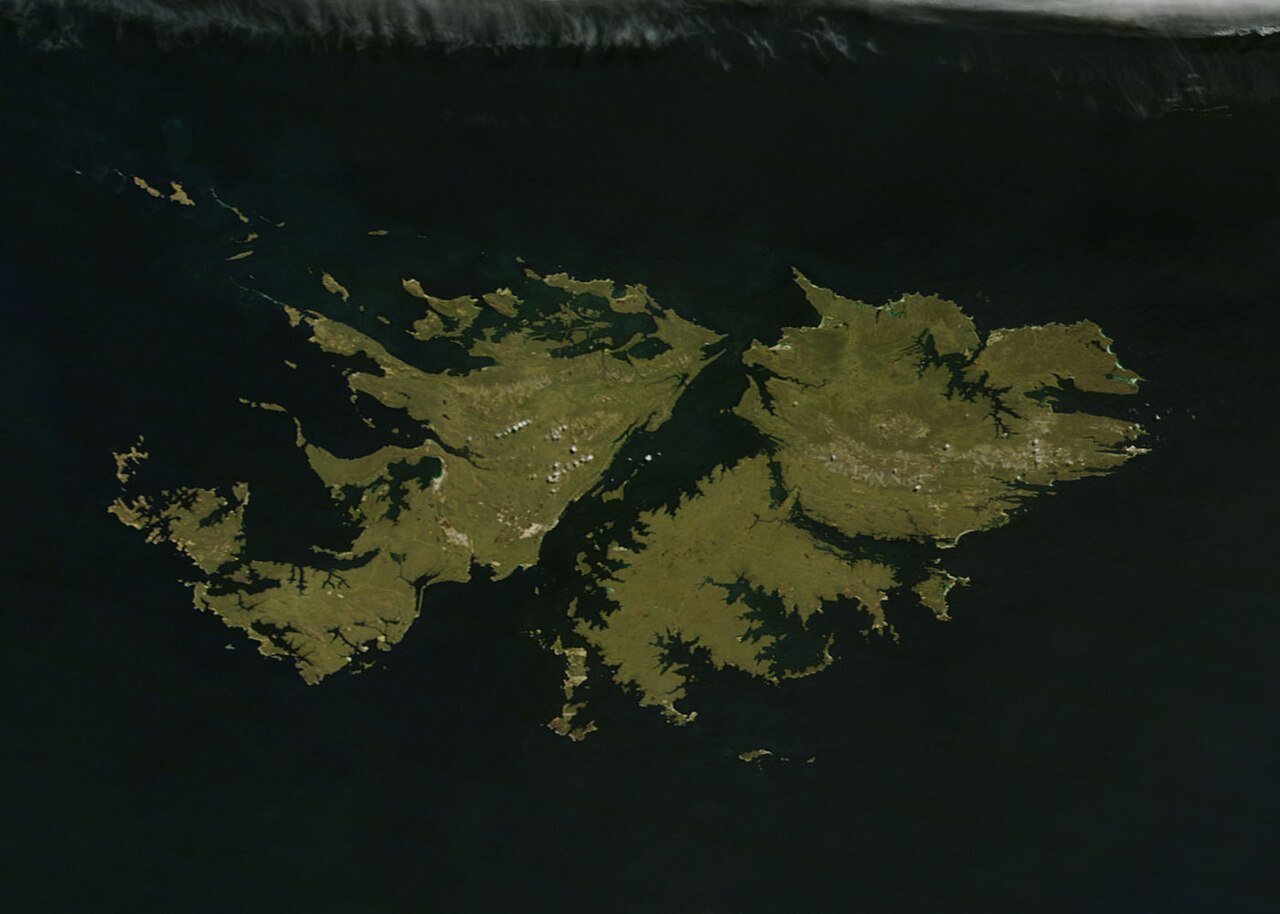
The International Tribunal for the Law of the Sea voted 18-3 on Saturday to reject Argentina’s request to halt drilling at the Sea Lion oil project, about 300 miles off Argentina’s coast in Falkland Islands waters. The judges ruled that the tribunal cannot decide the case without first resolving the sovereignty dispute over the islands, a question they said falls outside the United Nations Convention on the Law of the Sea. Britain, which has held the Falklands since 1833, welcomed the decision. Foreign Secretary Ed Miliband and Attorney General Ellie Reeves called it a vindication of the UK’s legal defense and urged Argentina to end its economic pressure on companies involved in the project.
Argentina’s government, led by President Javier Milei, framed the loss differently. By tying the drilling dispute to sovereignty, Milei’s office said, the court had effectively recognized that a dispute exists—one Britain has long refused to negotiate. “This decision is not the last word,” Milei’s office said, and Foreign Minister Pablo Quirno called the ruling “a historic step.” Argentina plans to move quickly to form a separate arbitration panel to hear the full case and seek measures to protect its rights.
The practical effect is that Rockhopper Exploration and Navitas Petroleum, the joint UK-Israeli operation behind the $2.1-billion Sea Lion project, are expected to proceed under licenses granted by the Falkland Islands government and backed by Britain. The islands’ Legislative Assembly celebrated the ruling, saying Sea Lion would transform the fishing-dependent economy and give future generations a more secure, self-reliant Falklands. The roughly 3,500 islanders voted more than 99 percent in favor of remaining British in a 2013 referendum, a result Argentina rejects on the grounds that the population was implanted by Britain after 1833 and cannot decide the territory’s fate.
The ruling lands in the shadow of the 1982 war, when Argentina’s military junta invaded the islands and a 74-day conflict killed 649 Argentine troops, 255 British soldiers and three islanders. Milei, who took office in 2023 initially seeking warmer commercial ties with Britain and has praised Margaret Thatcher, has since hardened his position. His government opened five new sanctions cases against companies working on the project after the ruling, warning that those who participate in what it calls the illegitimate exploitation of Argentine resources will face consequences. Milei has called the joint operation a “clear and present danger” to Argentina’s claims.
The deeper significance is procedural rather than final. The tribunal’s preliminary decision does not settle who owns the Falklands or whether drilling can legally continue in the long term. It only declines to block the project while the broader dispute remains unresolved. Argentina’s strategy now rests on forcing Britain to the negotiating table through an arbitration panel and continued commercial sanctions, while Britain relies on the islanders’ self-determination and its control of maritime licenses. Neither side’s core position has changed, and the legal path ahead could take years.
Synthesized by headlinez.news from the headlines below under a strict no-invention contract. ✓ fact-checked: all claims supported by sources Updated 1h ago.
Sources (12)
- Argentina loses bid to halt oil drilling off nearby UK-held Falkland Islands msn.com · 1h ago
- Argentina loses bid to halt oil drilling off nearby UK-held Falkland Islands AP News · 2h ago
- Argentina loses bid to halt oil drilling off U.K.-held Falkland Islands latimes.com · 2h ago
- Milei says Falklands will be Argentine after ‘spectacular’ court defeat The Telegraph · 7h ago
- Is a court about to rule against Britain on the Falklands? The Economist · 7h ago
- Argentina loses bid to halt Falklands oil drilling Financial Times · 11h ago
- Argentina loses bid to halt oil drilling off nearby U.K.-held Falkland Islands NBC News · 12h ago
- Argentina fails to block oil drilling off Falkland Islands The Guardian · 12h ago
- President Milei reacts after court rejects Argentina's bid to block Falklands oil drilling project Sky News · 12h ago
- Argentina loses bid to halt oil drilling off U.K.-held Falkland Islands Los Angeles Times · 12h ago
- Argentina's bid to stop Falklands oil drilling rejected BBC · 12h ago
- Argentina's bid to halt oil drilling off U.K.-held Falkland Islands rejected by international court CBS News · 12h ago
Questions people are asking
What exactly did the court decide?
The International Tribunal for the Law of the Sea voted 18-3 to reject Argentina’s request to temporarily halt drilling at the Sea Lion oil project, ruling it cannot decide the case without first settling the sovereignty dispute over the Falkland Islands.
Can drilling start immediately?
Rockhopper Exploration and Navitas Petroleum are expected to proceed under Falkland Islands government licenses backed by Britain, though the full legal dispute remains unresolved.
Why does Argentina claim the islands?
Argentina, which calls them the Malvinas, says Britain implanted the current population after 1833 and that self-determination does not apply; Britain points to the 2013 referendum in which over 99 percent of roughly 3,500 voters chose to remain British.
What happens next?
Argentina plans to form a separate arbitration panel to hear the full case and seek protective measures, while maintaining sanctions against companies working on the project.
How fast it spread
How fast coverage is spreading — measured hourly from article rate × source diversity. How this works →
Related visual coverage
Automatically selected only when the subject entities match this story. Embeds remain hosted by their original platforms.
Argentina's bid to stop Falkland Islands oil drilling rejected - BBC News
YouTube · AllTrendsBrand
Topics
Related trends
Wave of hoax bomb threats sent to schools in UK, Ireland and Italy
Thousands of European schools received bomb threats in minutes. The disruption was real even though the danger was not.
Iran designates Argentina's navy and air force as 'terrorist organizations'
Iran has labeled Argentina’s navy and air force “terrorist organizations,” turning an April punishment over the IRGC into a direct challenge to Buenos Aires.
Lionel Messi & Kylian Mbappe beaten to World Cup Goal of the Tournament award as iconic strike vs Argentina takes the prize
Sidny Lopes Cabral has been awarded FIFA World Cup Goal of the Tournament, surpassing high-profile contenders Lionel Messi and Kylian Mbappé.
Zelenskyy and Britain’s new leader discuss drone projects and missile defense for Kyiv
Ukrainian President Volodymyr Zelenskyy has traveled to the United Kingdom for his first official meeting with newly appointed Prime Minister Andy Burnham.
Zelenskyy visits Britain as new PM signals more support for Kyiv
President Zelenskyy visits the United Kingdom, marking the first time a foreign leader has met with new Prime Minister Andy Burnham.
'Shouting like a madman': Argentina's president angers Brazil
Javier Milei's explosive insults at a Bolsonaro rally sparked Brazil’s recall of its ambassador, igniting a diplomatic flare‑up.