
A direct communication between U.S. President Donald Trump and Venezuelan President Nicolás Maduro has revealed a potential, though currently stalled, effort to negotiate Maduro’s departure from power [1]. The discussions,which took place as the U.S. signaled increased military presence in the region, center on a possible amnesty for Maduro and his family in exchange for relinquishing the presidency amid a deepening political and economic crisis in Venezuela [2], [3]. Details emerging Monday outline Maduro’s specific requests-and President Trump’s initial rejection of those terms-as the fate of the Maduro regime remains uncertain.
The possibility of a negotiated exit for Venezuelan President Nicolás Maduro gained brief traction in recent weeks following a direct phone call with U.S. President Donald Trump, according to details revealed Monday, December 1. The conversation, which took place amid heightened military posturing by Washington in the Caribbean, underscores the complex diplomatic maneuvering surrounding the political crisis in Venezuela.
READ ALSO
The call, initially reported by the New York Times on November 28, was later confirmed by Trump himself, who stated, “I don’t know if it was a good call or a bad call, it was just a call.”
Until now, the specifics of the discussion had remained undisclosed, despite the already elevated tensions in the region.
READ ALSO
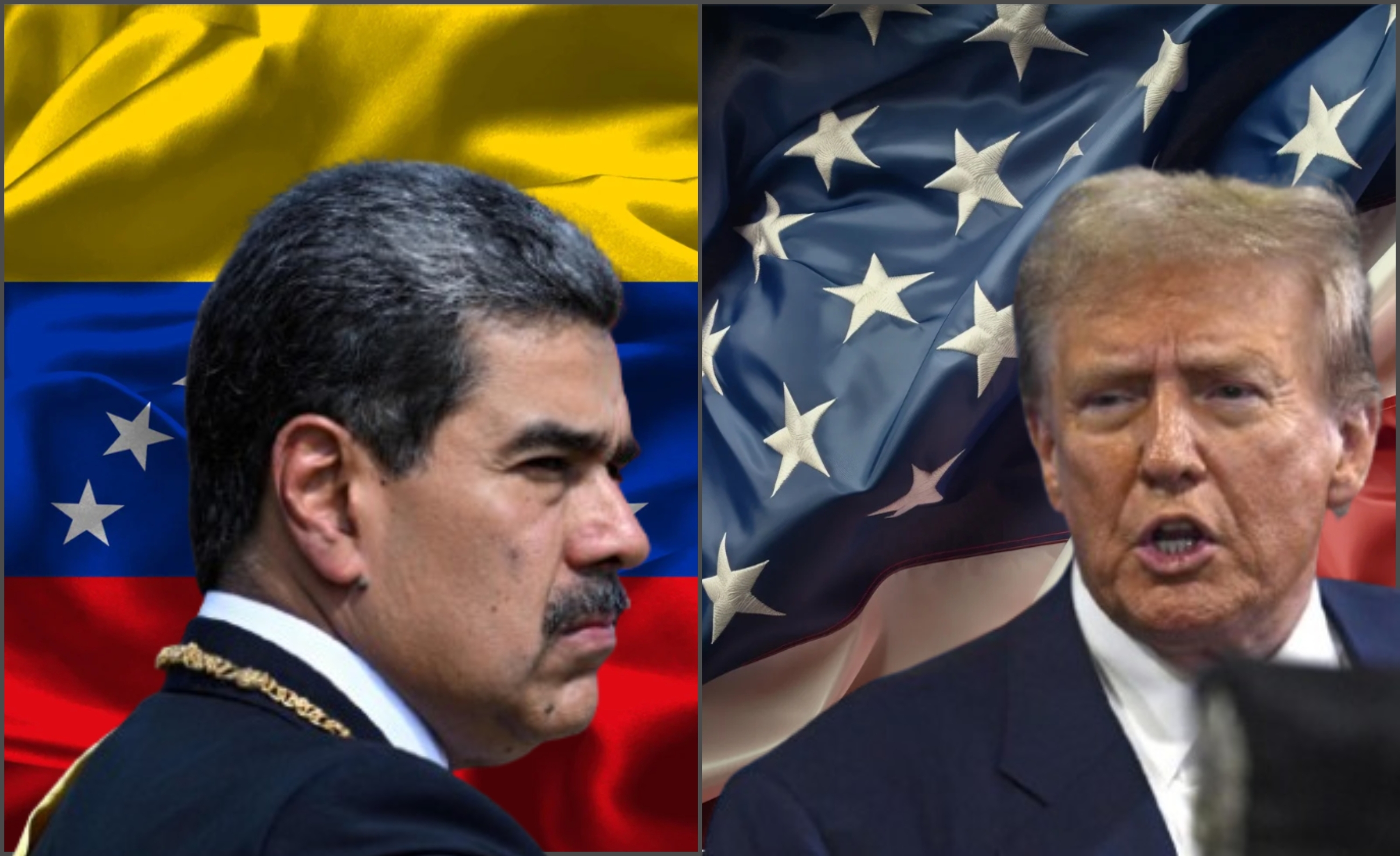
Maduro’s Proposals to Trump During the Call
Reuters reported that the conversation took place on November 21 and lasted less than 15 minutes.
According to three sources familiar with the call, Maduro indicated a willingness to leave Venezuela, provided he and his family received a full legal amnesty. This amnesty, the sources said, would need to include the lifting of all U.S. sanctions and the termination of the investigation by the International Criminal Court (ICC) into alleged human rights violations and crimes against humanity in Venezuela.
Nicolás Maduro, leader of the Venezuelan regime. Photo:STRINGER
In addition to his own amnesty, Maduro also requested the removal of sanctions against more than 100 Venezuelan officials accused by the White House of drug trafficking, corruption, or human rights abuses.
READ ALSO
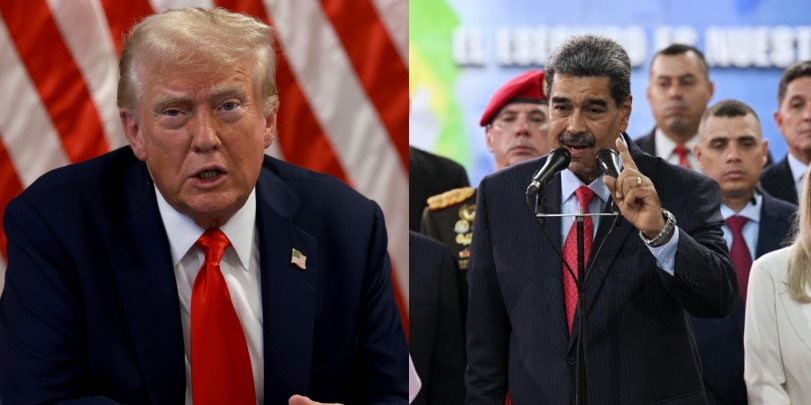
Reuters also reported that Maduro proposed Vice President Delcy Rodríguez lead an interim government to oversee new elections in the country.
Delcy Rodríguez Photo:Redes sociales
However, the news agency indicated that President Trump rejected most of Maduro’s requests, instead giving the Venezuelan leader one week to leave the country with his family “to a destination of his choice.” Senator Markwayne Mullin told CNN that Russia was among the potential destinations discussed.
READ ALSO
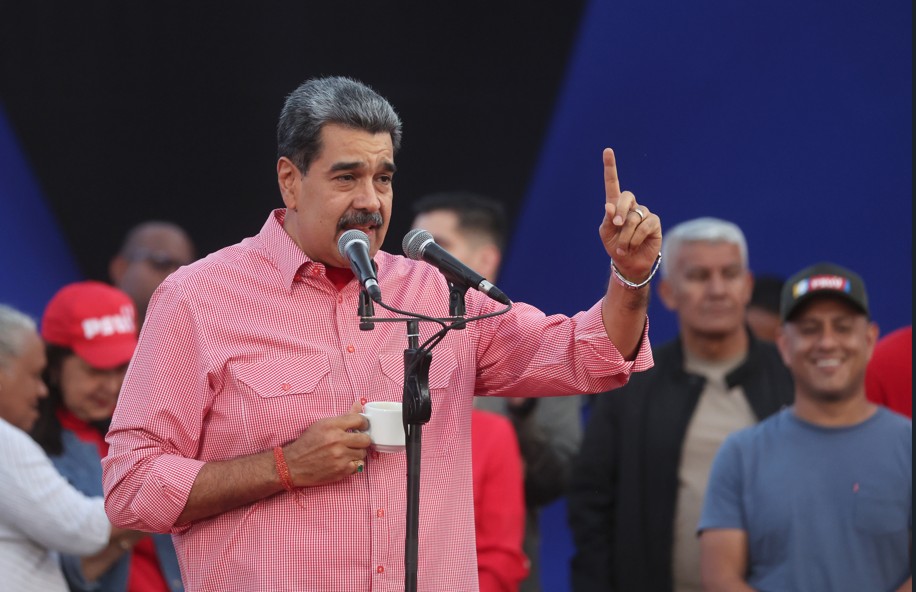
The deadline for Maduro to accept this “safe passage” expired last Friday, November 28, according to sources. Following the expiration, Trump declared on Saturday that Venezuelan airspace should be considered closed.
The Miami Herald previously reported that Maduro also sought to maintain control of the Venezuelan armed forces, similar to the arrangement in Nicaragua in 1991 with Violeta Chamorro, in exchange for allowing free elections. The report indicated that the call stalled quickly when it became clear that the two leaders held sharply divergent positions. A key point of contention, according to the Herald, was the timing of Maduro’s departure: “Washington insisted that Maduro resign immediately and Caracas refused.”
Nicolás Maduro in an event on November 25 in Caracas Photo:EFE/MIGUEL GUTIÉRREZ
What Comes Next After the Trump-Maduro Call?
Reuters reported that it is unclear whether Maduro will present a new proposal for leaving Venezuela with a safe passage guarantee. Trump has already met with his advisors to discuss the next steps in the campaign against the Maduro regime.
U.S. President Donald Trump. Photo:AFP
The news agency also revealed that the Maduro regime has requested another call with Trump. According to one source familiar with discussions within the Trump administration, a negotiated exit for Maduro has not been ruled out, though “significant disagreements and important details remain unresolved.”
REDACCIÓN ÚLTIMAS NOTICIAS
