
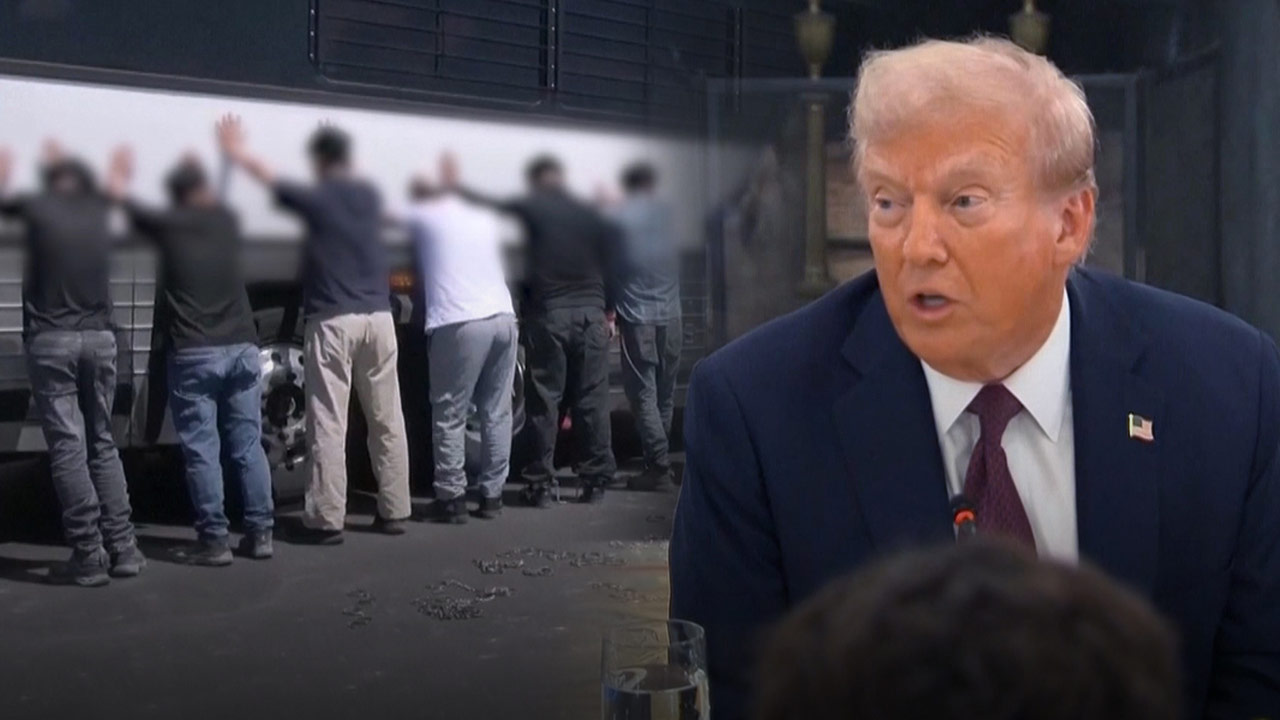
A large-scale ICE operation last September in Georgia led to the arrest of over 300 workers at a Hyundai and LG Energy Solution battery plant construction site, raising questions about the Trump management’s immigration enforcement strategies. Reports indicate former President Trump was unaware of the operation, despite Georgia Governor Brian Kemp’s attempts to secure the workers’ release [[1]]. The incident underscores the complex interplay between federal immigration policy and its impact on foreign investment and labor within key industries, and has prompted scrutiny of the role of key White House advisors.
Former U.S. President Donald Trump reportedly was unaware of a large-scale immigration enforcement operation in Georgia last September that led to the arrest of over 300 Korean workers. The incident, which occurred at a Hyundai Motor and LG Energy Solution battery plant construction site, has raised questions about the influence of hardline immigration policies within the Trump administration.
According to reports, Georgia Governor Brian Kemp contacted President Trump on September 4 to request the release of the Korean workers who had been detained by Immigration and Customs Enforcement (ICE). During that conversation, Trump reportedly told Kemp, “I didn’t know about the big arrests at the Georgia plant.”
This account aligns with Trump’s previous statements to reporters regarding the arrests. When questioned at the time, he said he “heard about it right before the press conference” and claimed, “I don’t know anything about it,” adding, “They were illegal, and ICE was doing their job.”
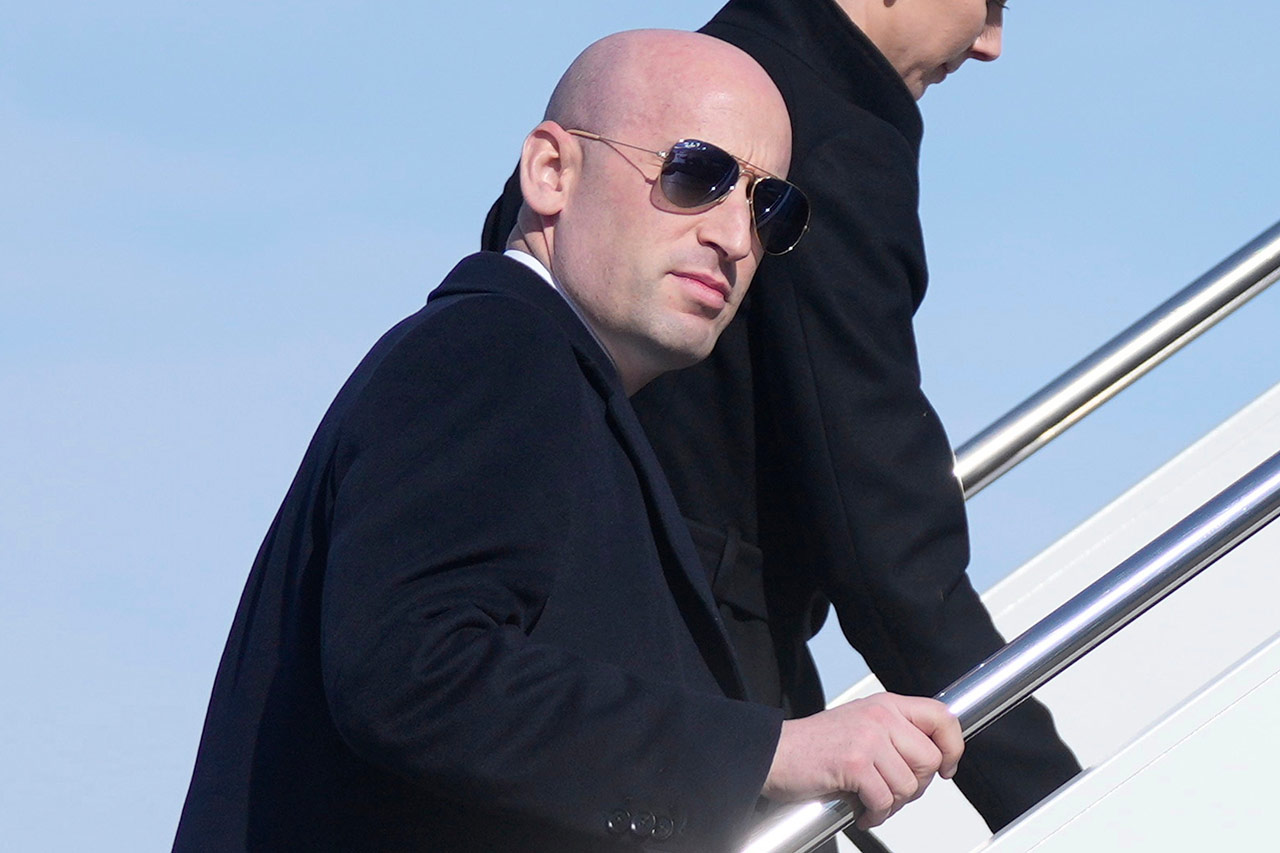
Stephen Miller, former Deputy Chief of Staff
The Wall Street Journal has focused on Stephen Miller, then-Deputy Chief of Staff, as a key figure behind the extensive enforcement operation. Miller was a driving force behind stricter immigration policies during the Trump administration.
Known as a powerful figure within the administration, Miller reportedly set a goal of 3,000 deportations per day as part of the second-term immigration agenda. Despite Trump telling aides he no longer wanted large-scale arrests at factories and farms, Miller continued to advocate for aggressive enforcement measures, according to reports.
The incident highlights the internal dynamics within the Trump administration regarding immigration policy and raises questions about the extent to which President Trump was informed about specific enforcement actions. The development underscores the ongoing debate surrounding immigration enforcement and its impact on international workers and business operations within the United States.
