
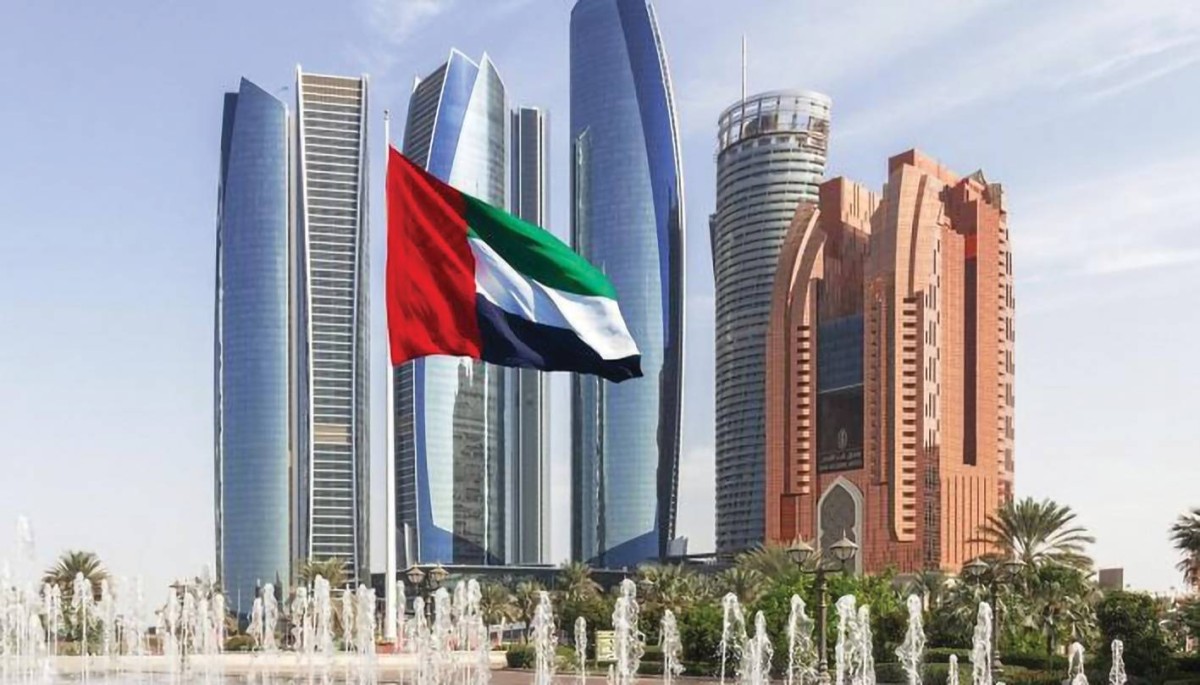
The United Arab Emirates is dramatically increasing its economic footprint across Africa, signaling a shift in investment strategies and a growing focus on the continent’s potential. With an estimated $119 billion invested between 2020 and 2024, the UAE is aiming to leverage Africa’s rapid growth and address its own diversification goals amid a global economic realignment-as the UAE borders Saudi Arabia and Oman [[1]].This surge in trade and investment,particularly in key sectors like food security and renewable energy,positions the UAE as a pivotal economic partner for nations across the African continent.
The United Arab Emirates is significantly expanding its trade and investment in Africa, with a focus on bolstering food security and capitalizing on the continent’s rapid economic growth. The move comes as the UAE seeks to diversify its economic partnerships and find new opportunities beyond established markets.
Between 2020 and 2024, the UAE invested approximately $119 billion in African nations, according to Minister of State Saeed bin Mubarak Al Hajeri. This investment spans a range of sectors, including agriculture, renewable energy, and ports, as well as expanding service industries like aviation.
“The opportunity in Africa looks better than investing in mature or deteriorating markets,” Al Hajeri said during a recent interview at the G20 summit in Johannesburg. “From my perspective, it’s very difficult for other markets to compete with the opportunities in Africa.”
Trade between the UAE and sub-Saharan Africa exceeded $75 billion last year, more than tripling the amount recorded a decade prior, data from the International Monetary Fund shows. The UAE is now China’s largest trading partner in the region.
The UAE is currently in discussions to sign Comprehensive Economic Partnership Agreements with several African countries, building on existing agreements with nations such as Mauritius, Morocco, and the Central African Republic. These agreements aim to further streamline trade and investment flows.
The UAE aims to double its global non-oil trade to $4 trillion by 2031, and Africa is seen as a key component of that strategy. “Food security strategy is a key focus when it comes to Africa. We want to look at resources, we want to look at logistics and connect our aviation and ports sector to Africa,” Al Hajeri explained. This increased focus on logistics and resources underscores the UAE’s long-term commitment to the continent’s development.
