

London’s Competition and Markets Authority (CMA) has mandated that Google must obtain explicit consent from publishers before using their content for artificial intelligence services, marking a pivotal shift in data usage regulations. The decision, announced on June 4, 2026, compels the tech giant to provide tools allowing media outlets to block their content from being fed into AI models, a first-of-its-kind requirement in the UK. The move underscores growing global tensions over digital content rights and AI development, with implications for how major platforms handle user-generated and third-party data.
Regulatory Shift in Data Usage Rights
The CMA’s ruling, detailed in a June 4, 2026, statement, requires Google to implement “opt-out” mechanisms for publishers seeking to restrict their content’s use in AI training. This follows months of scrutiny over the company’s practices, as media organizations argue that their material is frequently repurposed without compensation. The authority cited concerns about “unfair advantage” for large tech firms, emphasizing that the new rules aim to “level the playing field” for content creators. Source 1 highlights the CMA’s assertion that this is the first time such a mandate has been applied to AI-specific data usage.

The regulation specifically targets Google’s AI models, including its search summarization tools and generative systems, which have faced criticism for leveraging news articles and web content without direct licensing. The CMA’s enforcement action comes amid a broader European Union initiative to strengthen data sovereignty laws, though this UK-specific measure is notable for its direct targeting of AI applications rather than general data collection.
Google’s Data Handling Policies Under Scrutiny
Google’s internal data retention policies, outlined on its official website, reveal a framework for managing user and third-party data. The company states that it “retains data for varying periods depending on the type and purpose,” with mechanisms for users to delete information manually or through automated processes. However, the CMA’s ruling challenges the assumption that third-party content, such as news articles, is inherently available for AI training. Source 2 details how Google’s systems “securely remove data” upon request, but the new rules force the company to reevaluate its approach to external content.

The tension between Google’s existing policies and the CMA’s mandate highlights a critical gap in current regulatory frameworks. While the tech giant maintains that its AI systems operate under “strict ethical guidelines,” the CMA argues that these guidelines lack enforceable mechanisms to protect publishers’ intellectual property. This discrepancy has fueled debates about the responsibilities of AI developers in the digital economy.
Implications for the Tech Industry
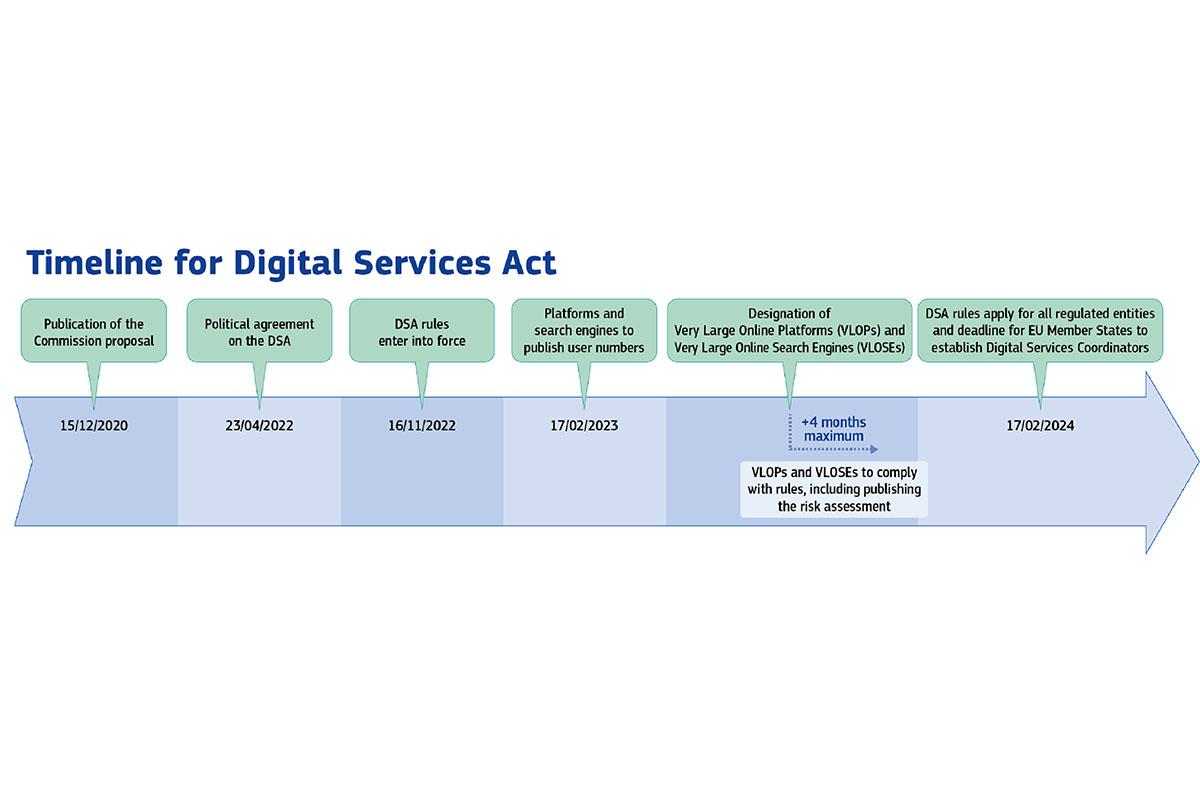
The CMA’s decision could set a precedent for how other tech companies handle third-party data in AI development. Similar regulatory pressures are emerging in the EU, where the Digital Services Act (DSA) and AI Act are being tested in courtrooms and boardrooms alike. The UK’s move may accelerate global efforts to standardize data usage rights, particularly for media organizations that have long criticized platforms for monetizing their content without fair compensation.
Analysts note that the ruling could also impact Google’s partnerships with news outlets. Many publishers have already expressed concern that the company’s AI tools, such as its search algorithms and content recommendation systems, prioritize traffic to major outlets while marginalizing smaller voices. By requiring explicit consent, the CMA may inadvertently create a fragmented digital landscape where AI models are trained on a narrower subset of content, potentially reducing their effectiveness and diversity.
Privacy and Transparency in AI Development
Google’s broader privacy practices, as outlined by the Google Safety Center, emphasize user control over data. The company states that users can “see an overview of the Google products you use” and “delete data collected from your activity across Google services.” However, these tools are designed primarily for personal data rather than third-party content. Source 3 highlights features like “My Activity” and “Dashboard,” which allow users to manage their own data but do not extend to external content sources.

This distinction raises questions about the transparency of AI development. While Google has made strides in empowering users to control their personal information, the CMA’s ruling forces the company to confront a more complex ethical dilemma: how to balance innovation in AI with the rights of content creators. The regulatory pressure may push Google to develop new tools that allow publishers to monitor and manage how their material is used, a shift that could redefine the relationship between tech platforms and media organizations.
What Comes Next for Google and the Industry?
The CMA’s mandate is expected to trigger a period of legal and operational adjustments for Google. The company has 60 days to implement the required opt-out mechanisms, though industry experts predict challenges in developing a system that is both scalable and user-friendly. Legal challenges from Google or other tech firms are also likely, as the ruling could be seen as a precedent for broader regulatory interventions.
For the broader tech industry, the CMA’s decision underscores the growing scrutiny of AI’s role in content creation and distribution. As AI systems become more integrated into daily life, regulators worldwide are grappling with how to protect intellectual property while fostering innovation. The UK’s approach may serve as a blueprint for other jurisdictions, though the outcome will depend on how effectively Google and its peers adapt to the new requirements.
